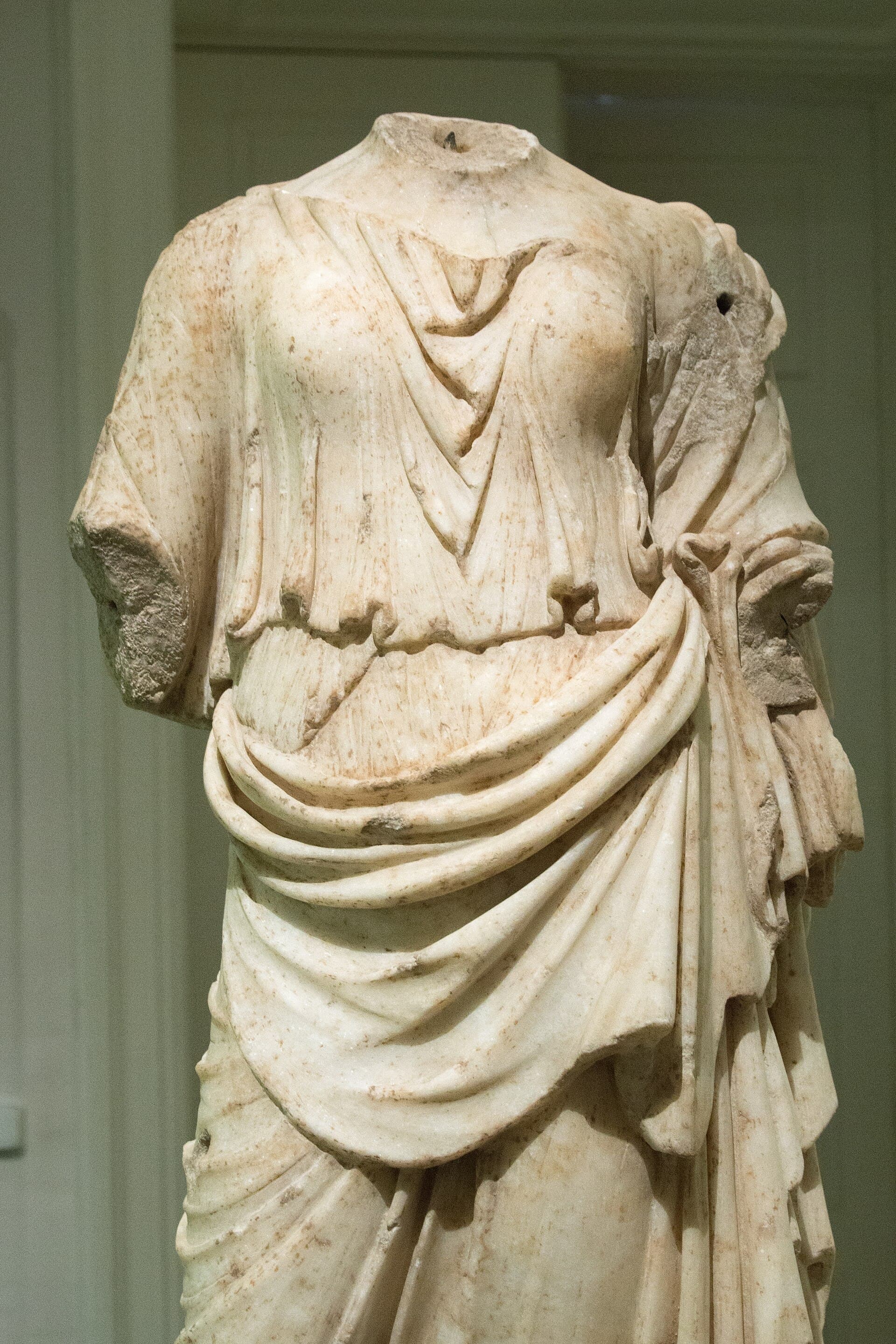
Fate
Nemesis
ΝέμεσιςRoman: Invidia
Distributes what is deserved, which is rarely what anyone wants.
Marble, Roman copy after a classical original — National Gallery Prague
- 2
- epithets
- 2
- cult sites
- 0
- offspring
- 0
- unions
- 1
- recorded birth
Vitals
- Kind
- Personification
- Generation
- 1
- Domains
- due proportion, the correction of excess, indignation at what is undeserved
- Accent
- Fate — allotment, law, retribution, prophecy
- Sacred symbols
- the measuring rod, the bridle, the wheel, the apple bough
- Principal cult sites
- Rhamnous in Attica, Smyrna
What they were called
Ἀδράστεια
she from whom there is no running away
Ῥαμνουσία
of Rhamnous
Lineage
See in the tree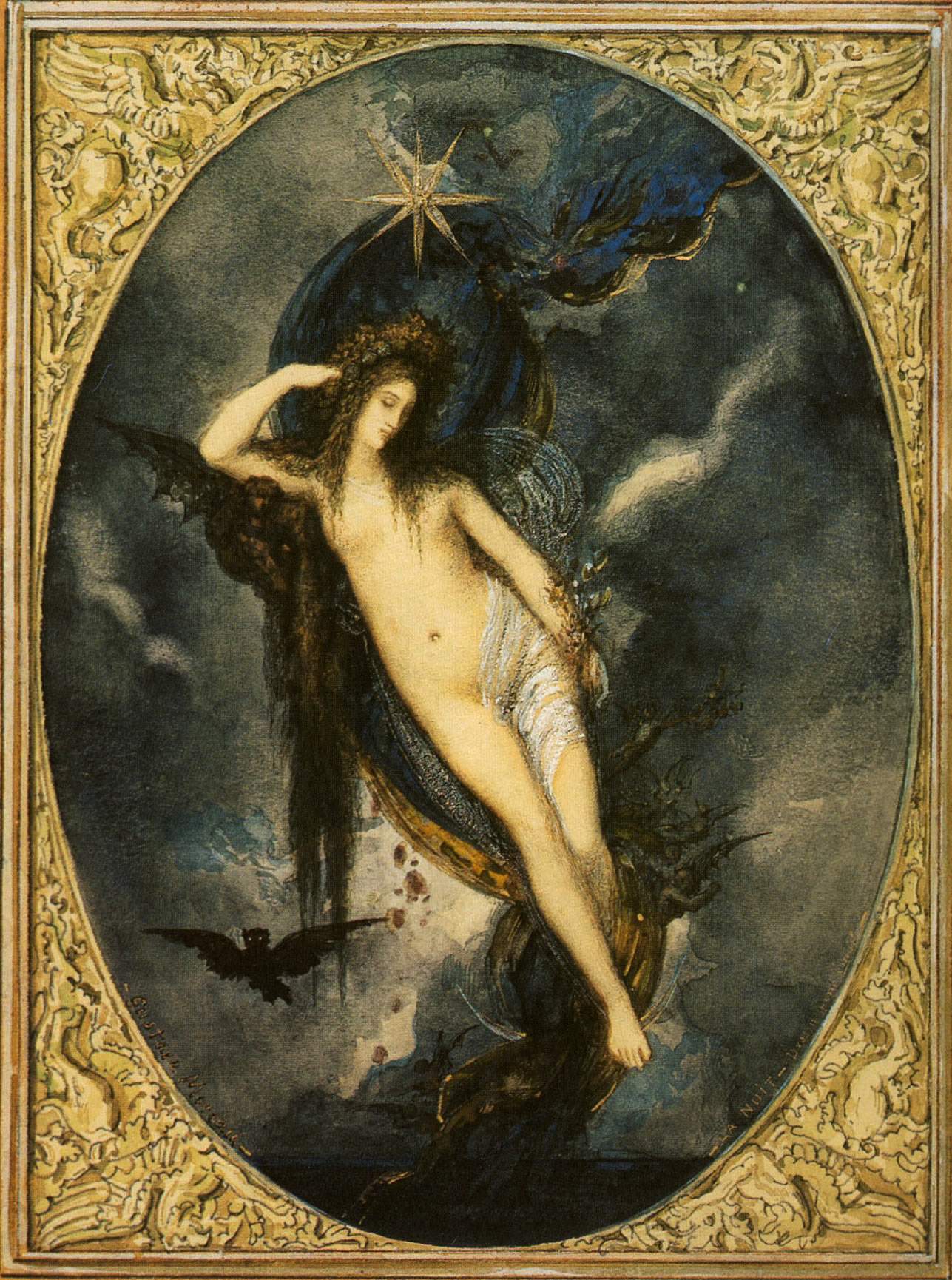
Offspring in this roster
None recorded among the figures modelled here.
Notable myths
The Egg at Rhamnous
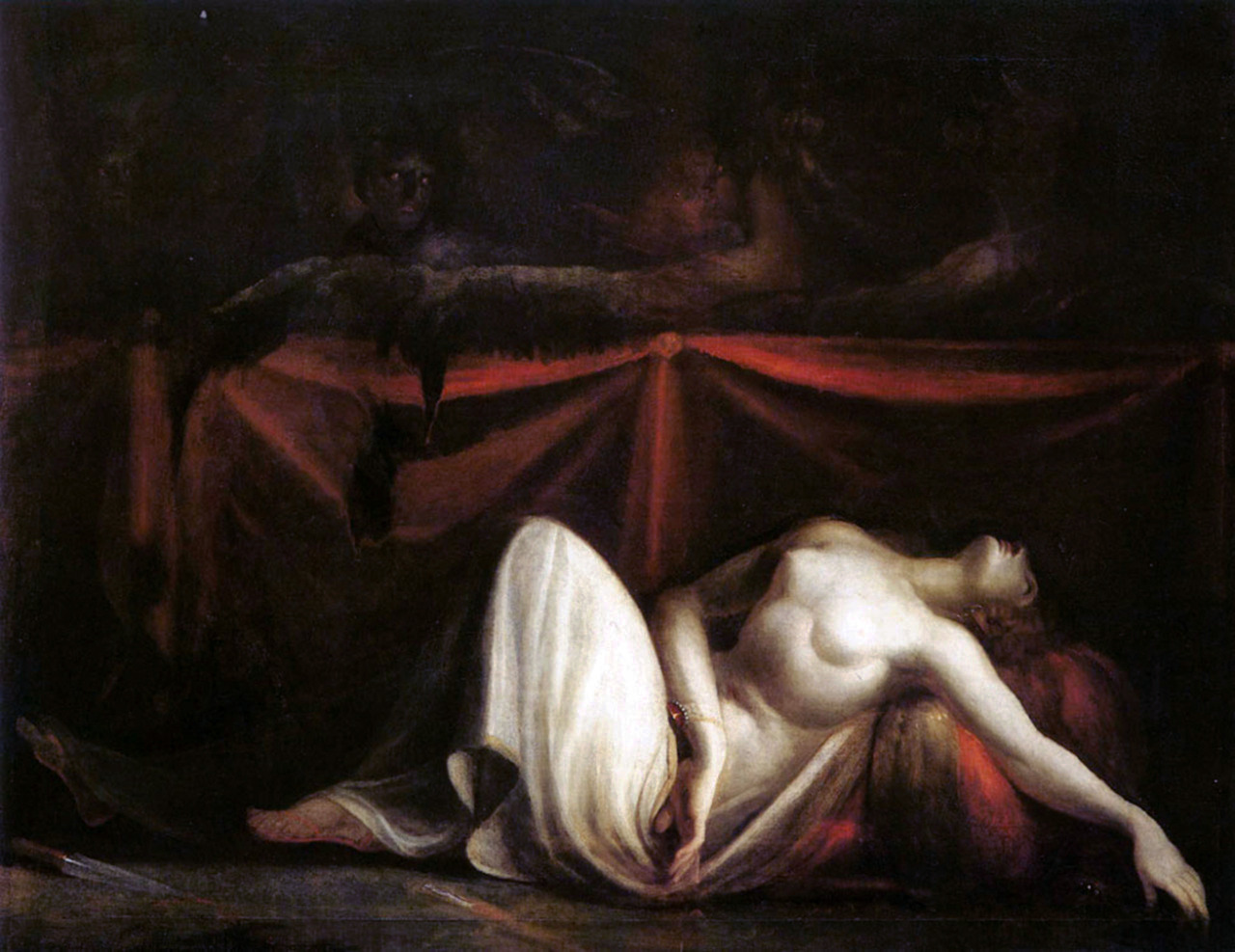
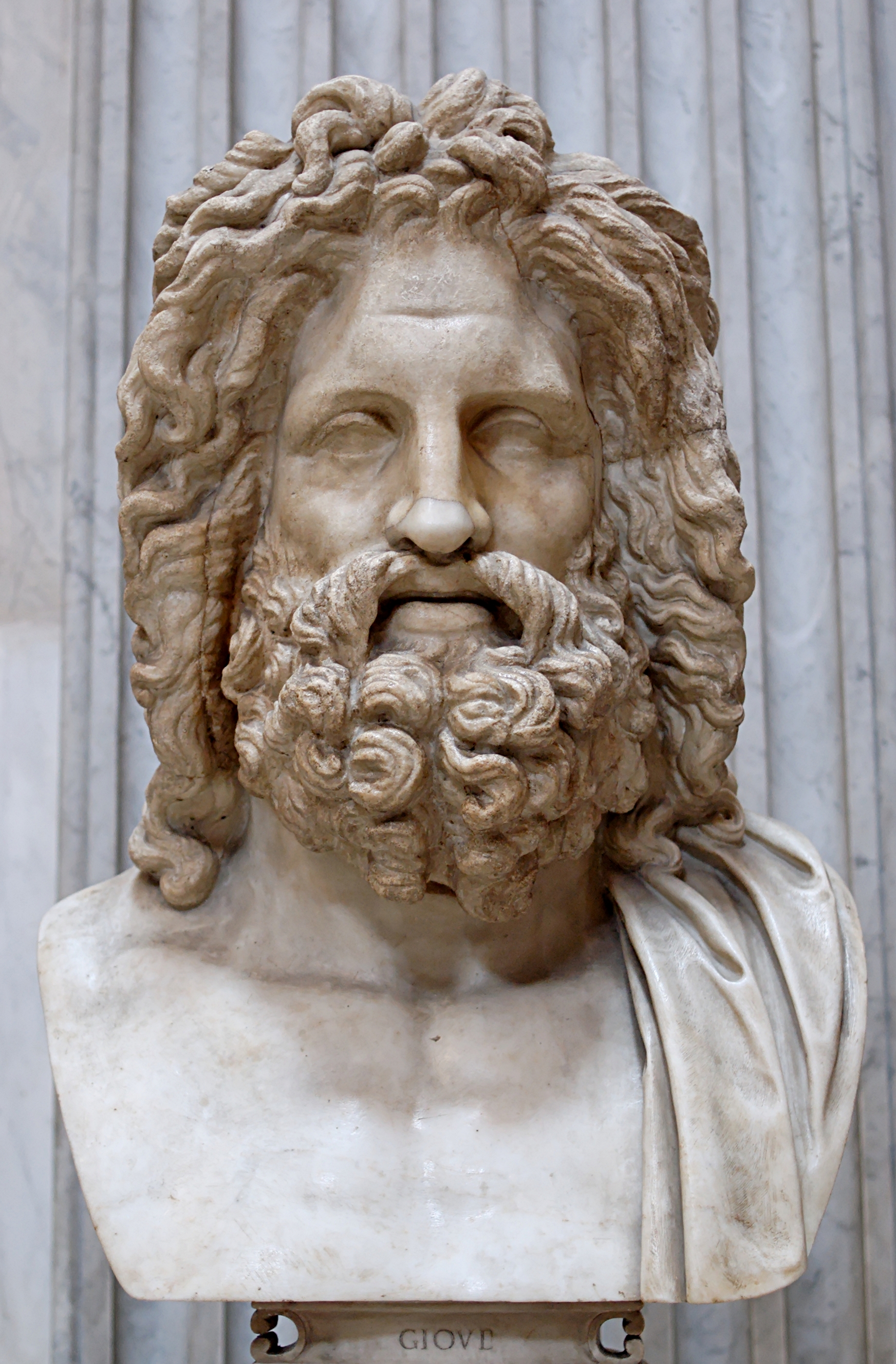
Fleeing Zeus over land and sea, Nemesis took the shape of one animal after another and at last became a goose. He became a swan and caught her, and she laid an egg. A herdsman found it in a grove and brought it to Leda, who kept it in a chest until Helen hatched out of it. The story survives in fragments of the lost epic Kypria.
Apollodorus, Bibliotheca 3.10.7
The account
Nemesis is not revenge. The verb behind her name means to distribute or apportion, and she is the force that gives out what is owed — which becomes punishment only because people are usually holding more than their share. Hesiod calls her an affliction to mortal men and makes her a daughter of Night, in the list with Doom, Deceit, Old Age and Strife. Her temple at Rhamnous held a famous statue that Pausanias reports was carved from a block of Parian marble the Persians had brought with them to Marathon, intending to make a victory monument out of it — a story too good to be true and repeated by everyone. She also has a strange mythological role: pursued by Zeus, she changed shape through every animal and finally became a goose, and he became a swan, and she laid an egg that was given to Leda, out of which came Helen. So in one tradition the woman the Trojan War is fought over is the daughter of retribution itself.
Ancient sources
- Hesiod, Theogony 223-224
- Apollodorus, Bibliotheca 3.10.7
Where a line reference is not given, the work is cited without one rather than guessed at.
Image credit
- Title
- Nemesis marble statue, Roman copy of classical work, Prague Kinsky, NG P 5520, 151822
- Artist
- Zde
- Date
- Unknown
- Licence
- CC BY-SA 4.0
