Sky
Zeus
ΖεύςRoman: Iuppiter
Ended the succession by swallowing the wife who would have produced his replacement.
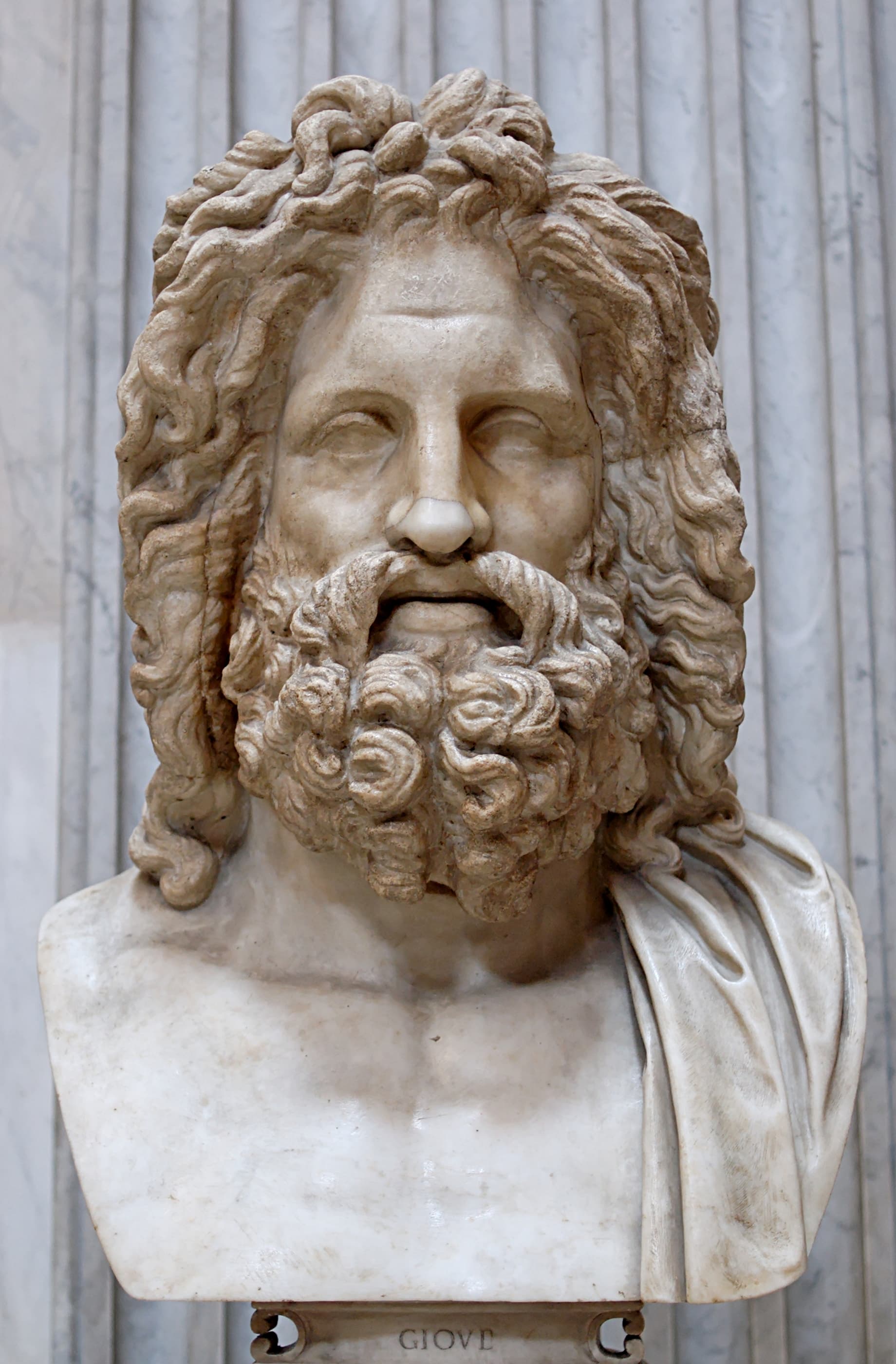
Marble head, Roman copy after a Greek original — Museo Pio-Clementino
- 4
- epithets
- 4
- cult sites
- 13
- offspring
- 9
- unions
- 1
- recorded birth
Vitals
- Kind
- Olympian
- Generation
- 2
- Domains
- the sky, the thunderbolt, oaths and guests, kingship
- Accent
- Sky — the open air, weather, the thunderbolt
- Sacred symbols
- the thunderbolt, the eagle, the aegis, the oak
- Principal cult sites
- Olympia, Dodona, Nemea, Mount Lykaion
What they were called
νεφεληγερέτα
cloud-gatherer
Ξένιος
of strangers and guests
μητίετα
the counsellor — from the name of the wife he swallowed
αἰγίοχος
aegis-bearing
Lineage
See in the tree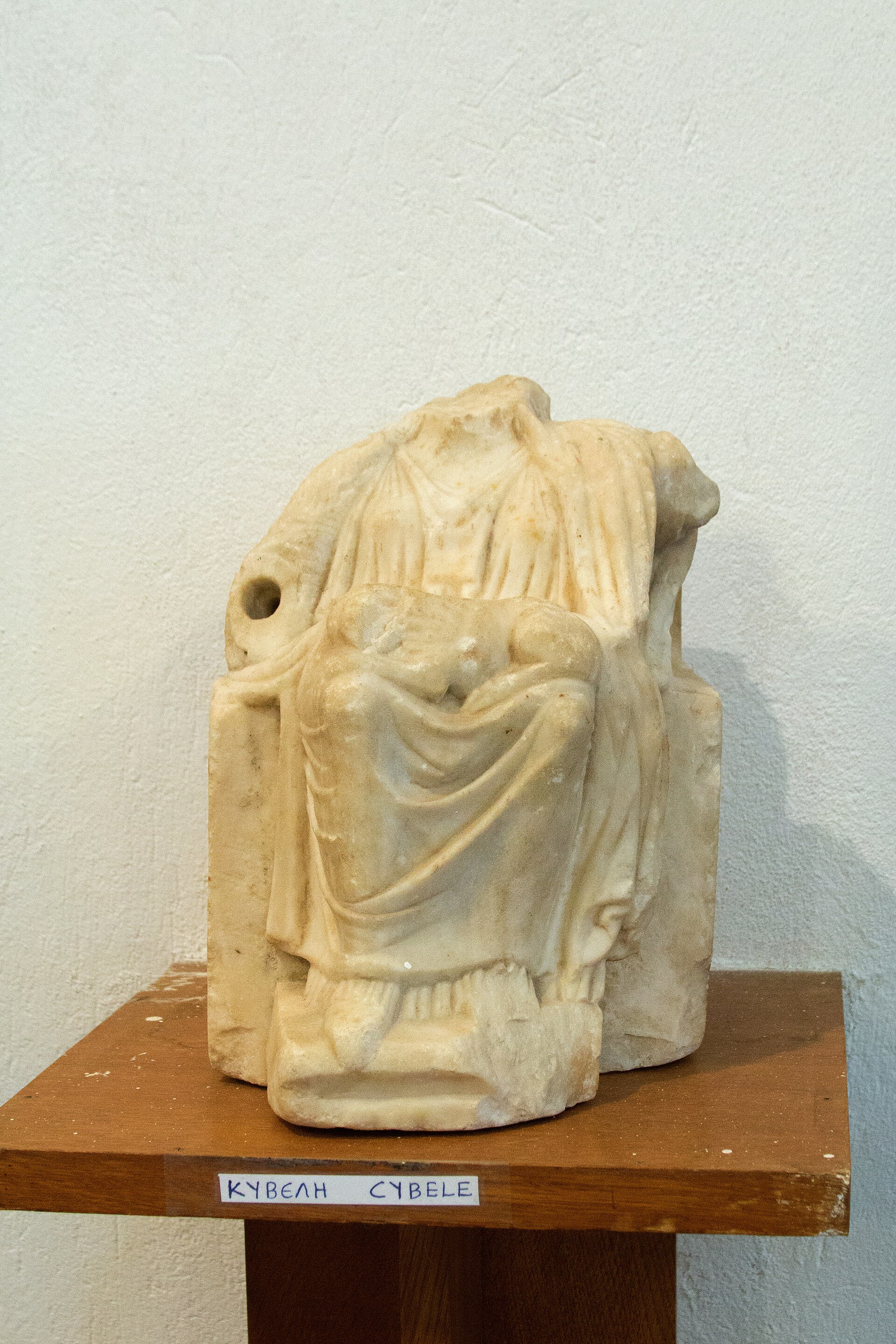
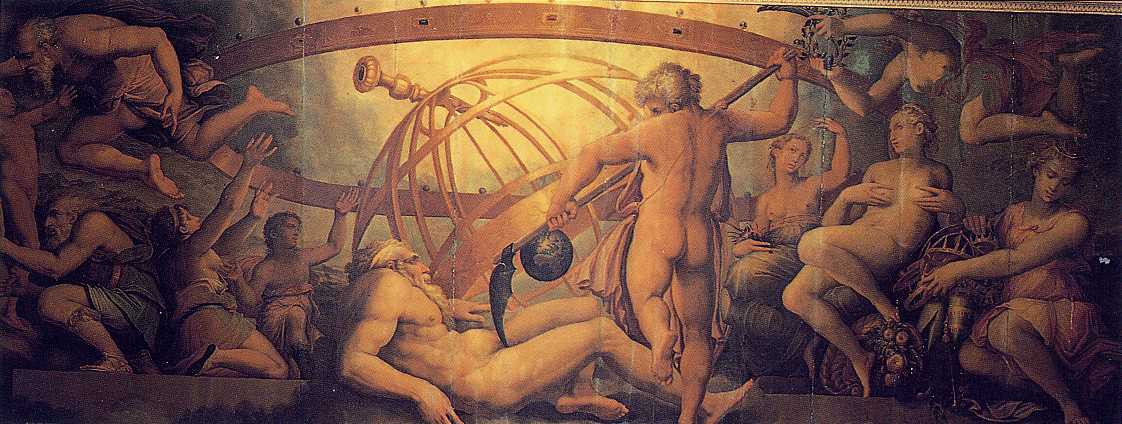
Offspring in this roster
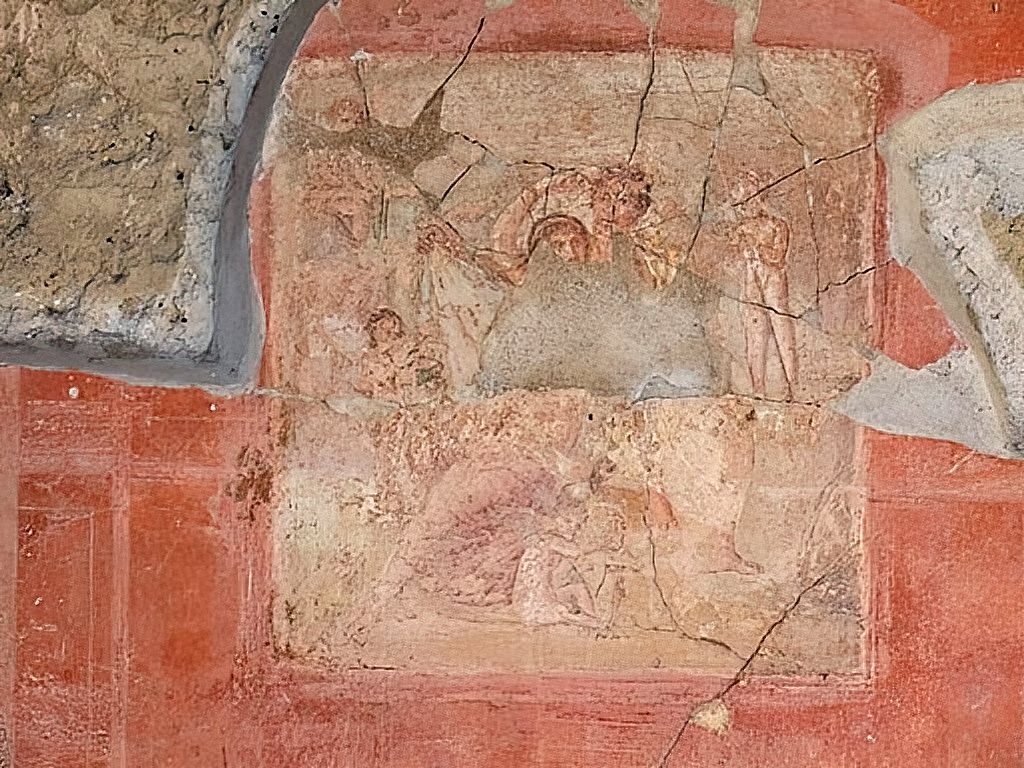
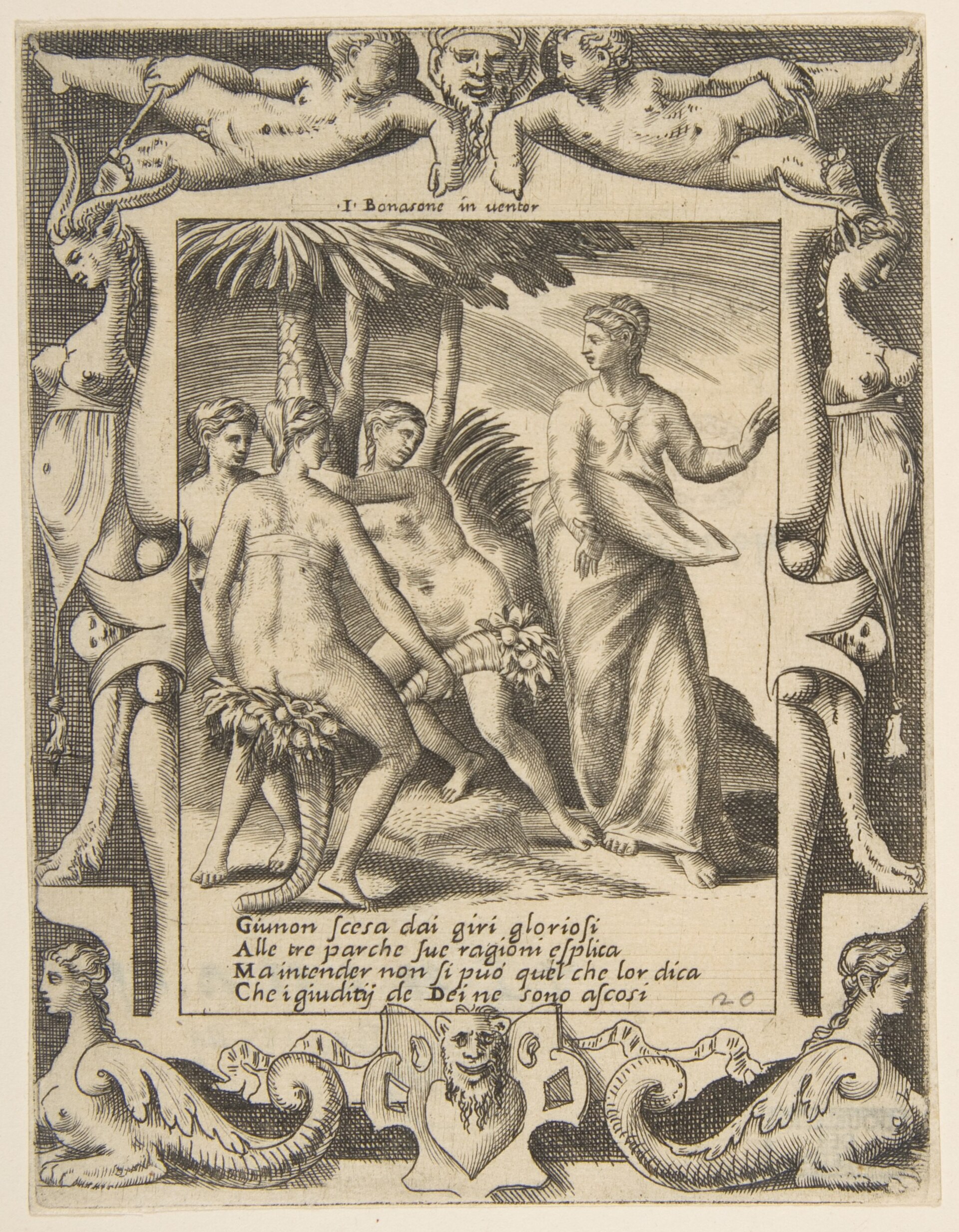
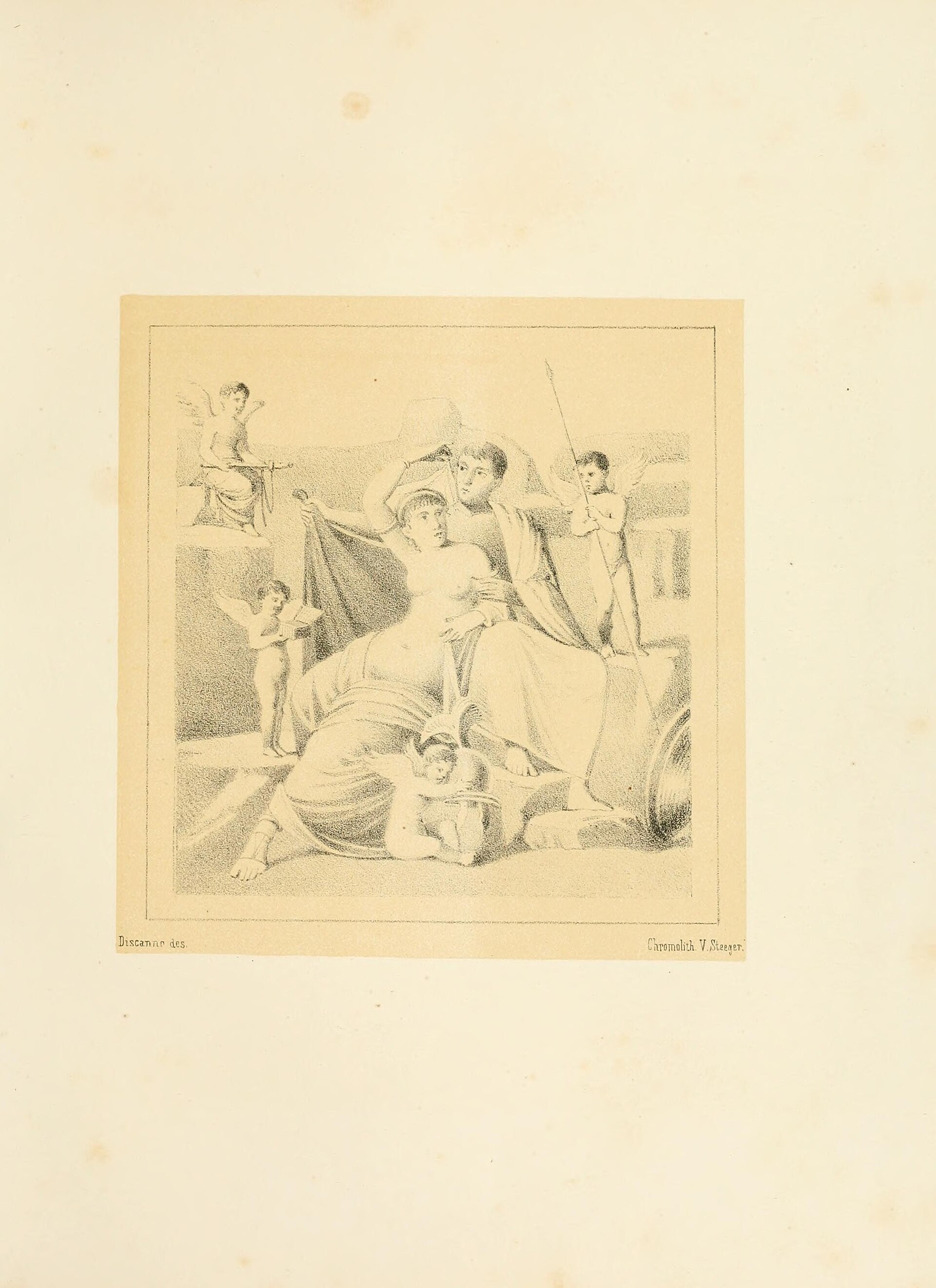
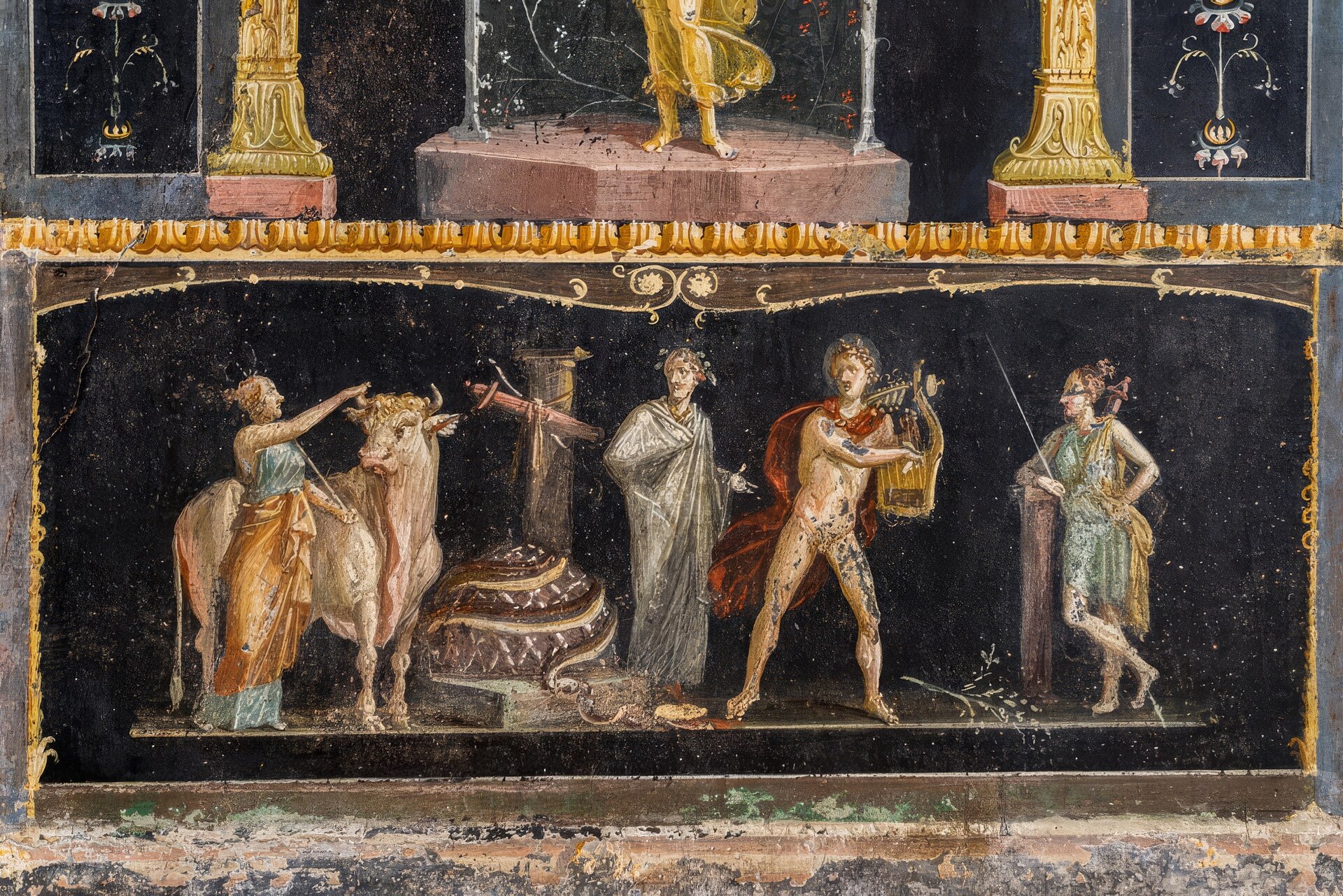
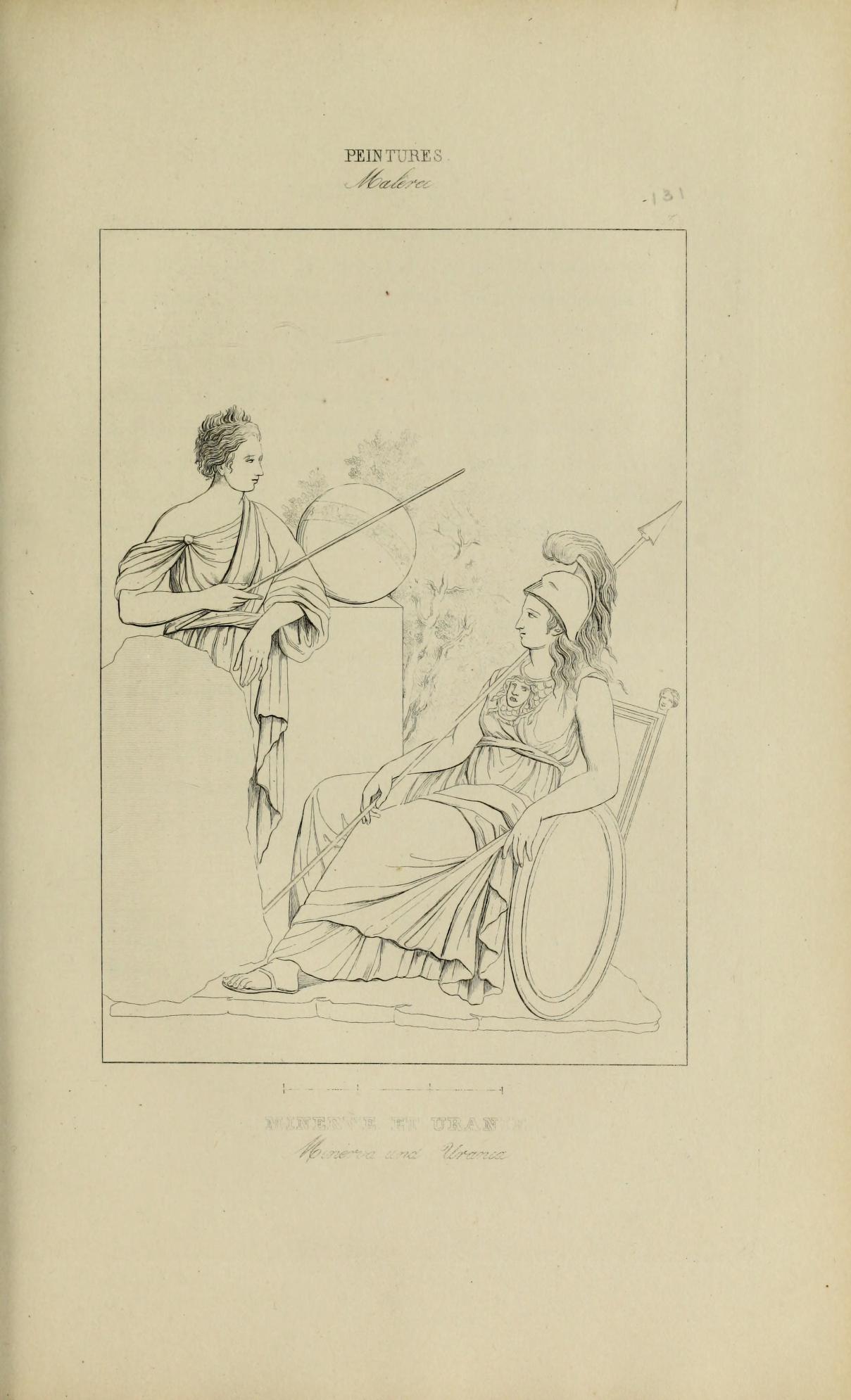
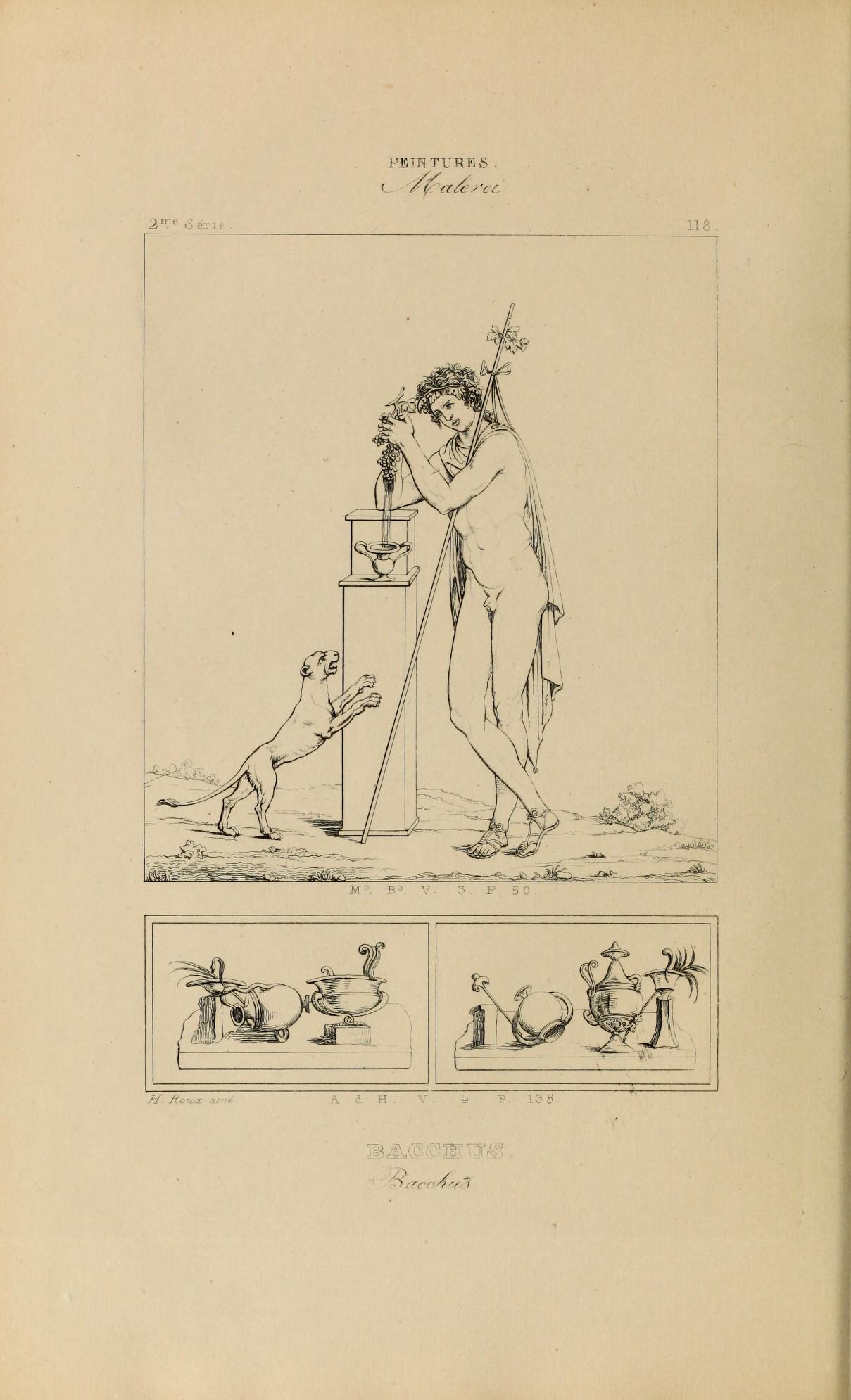
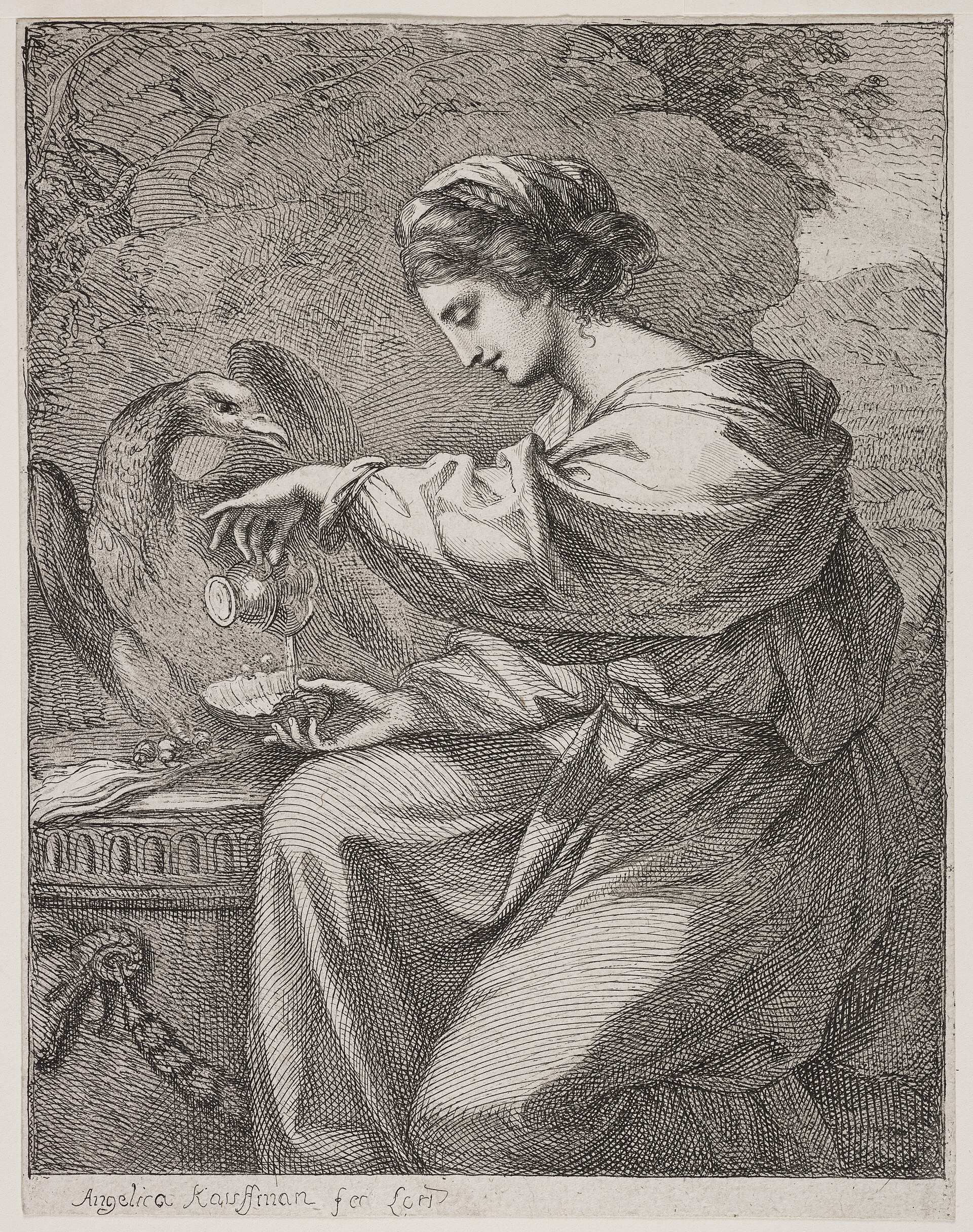
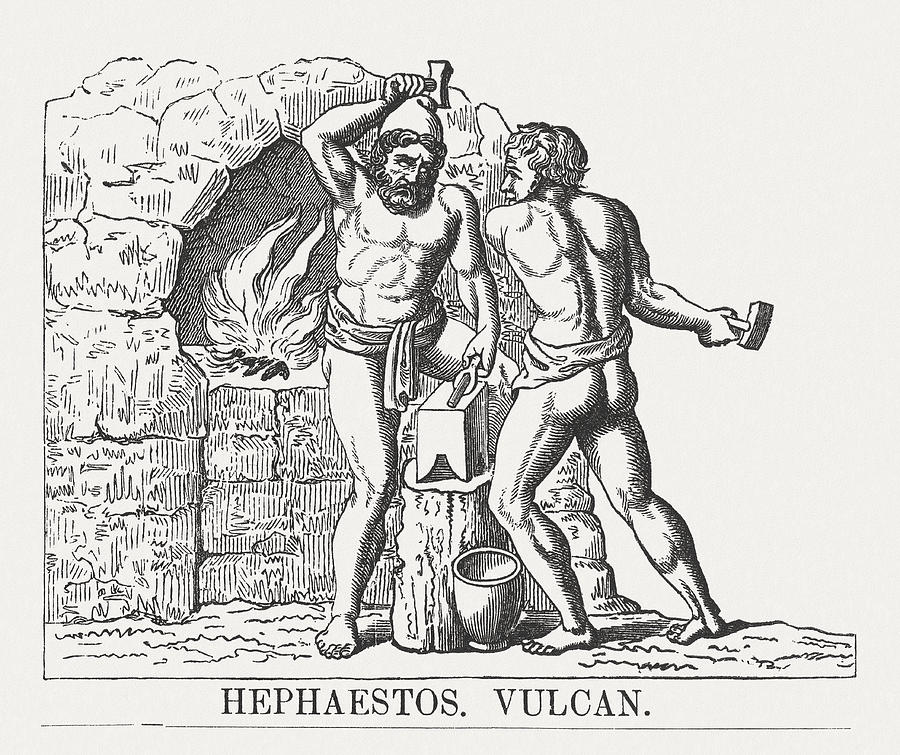
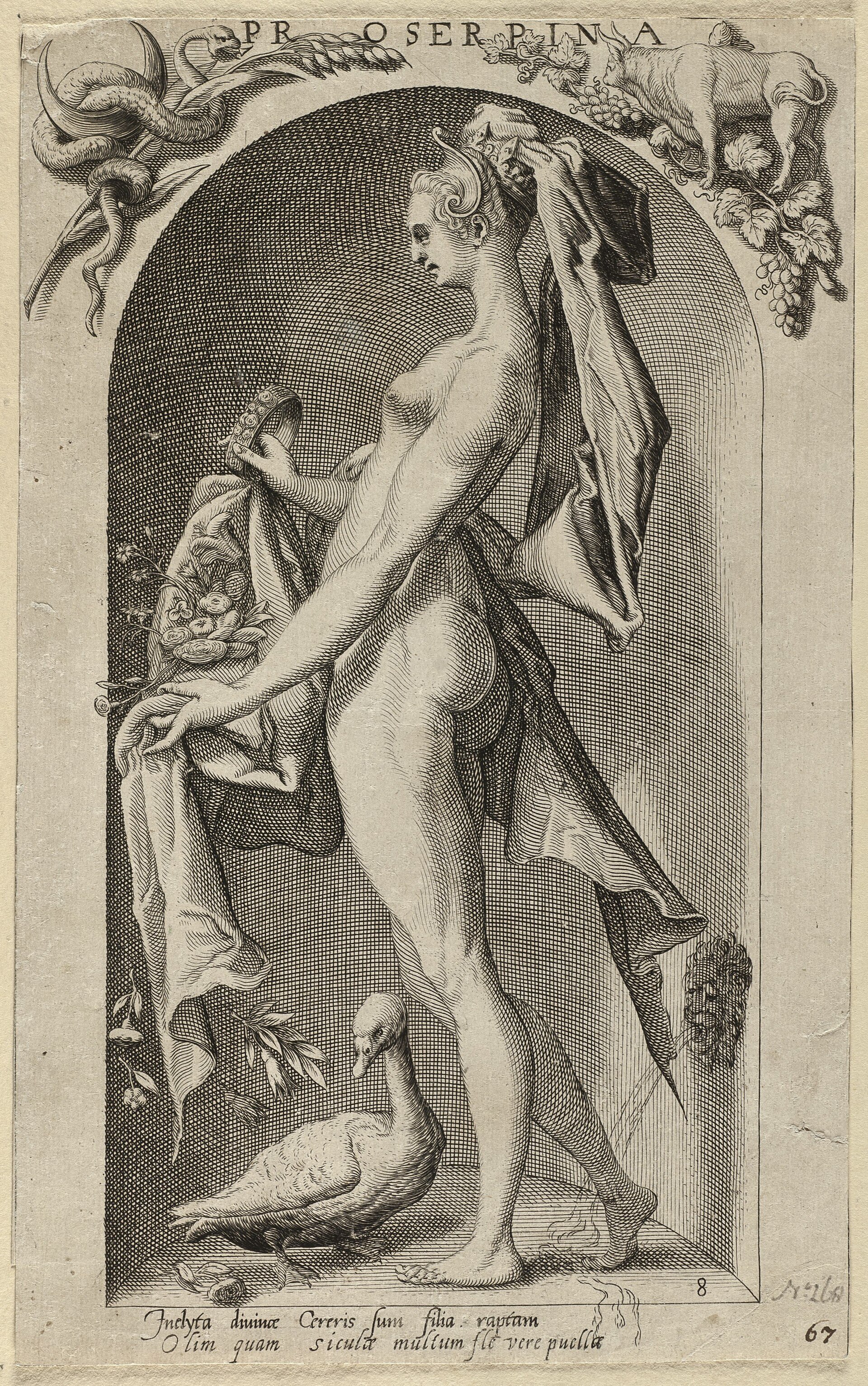
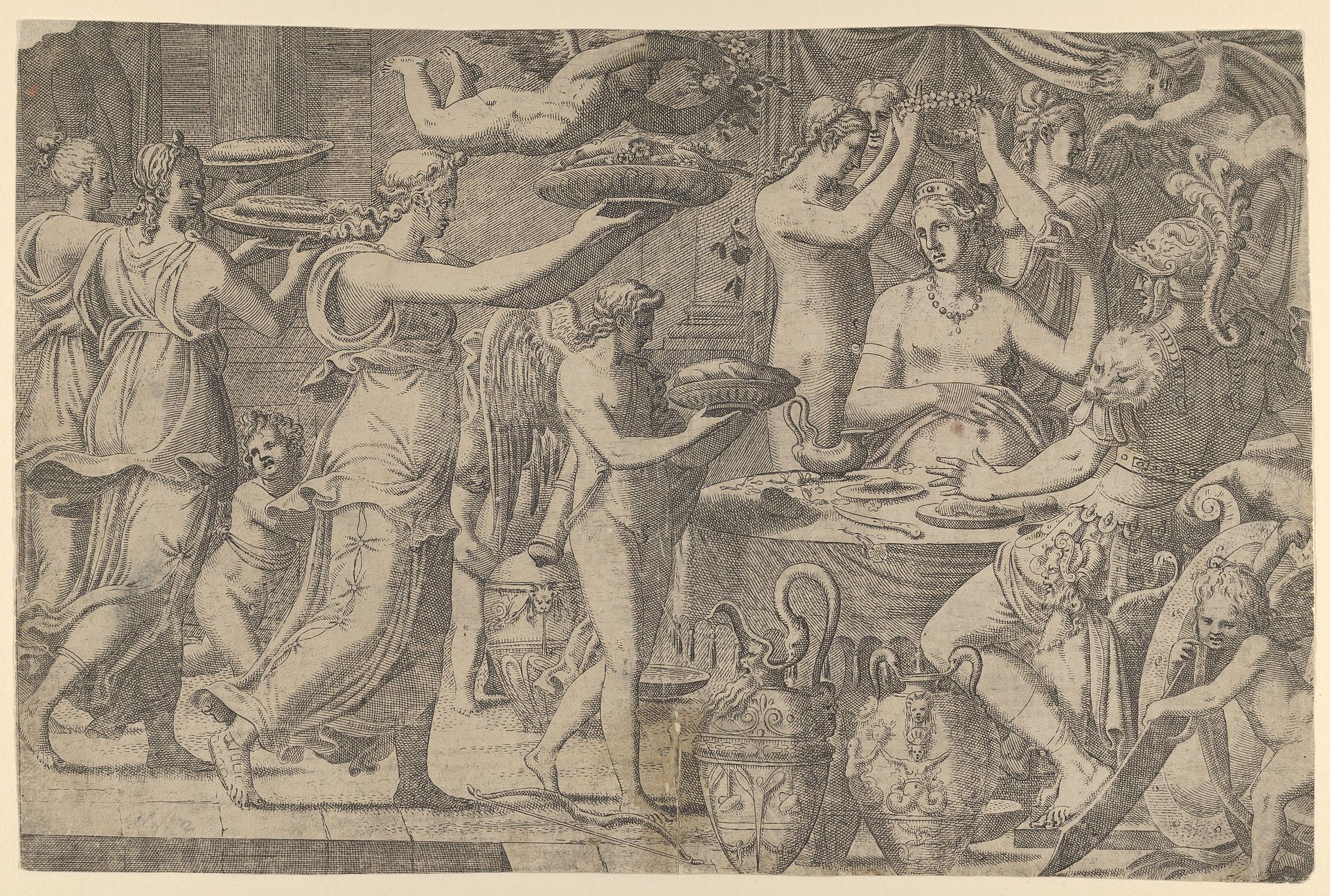
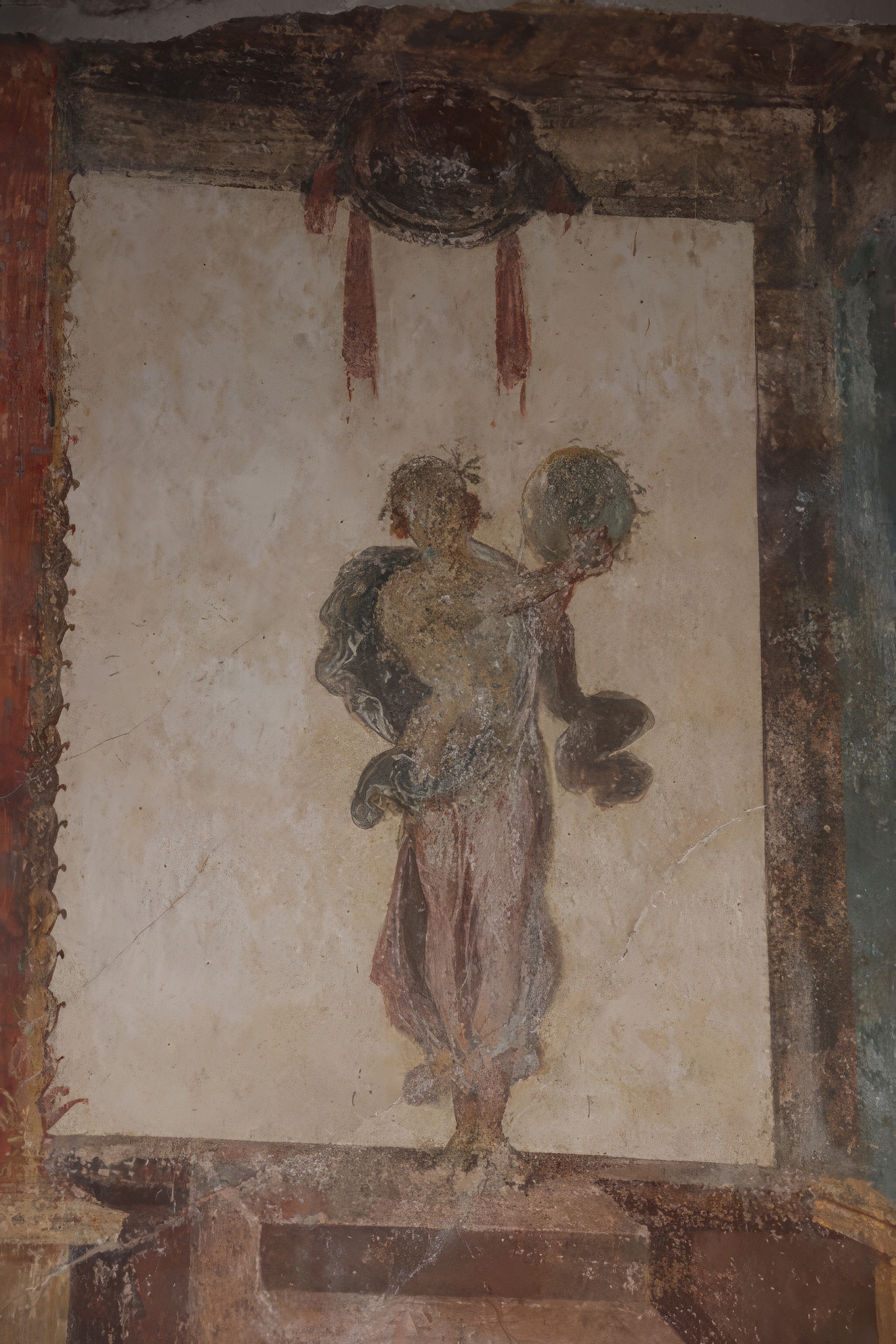
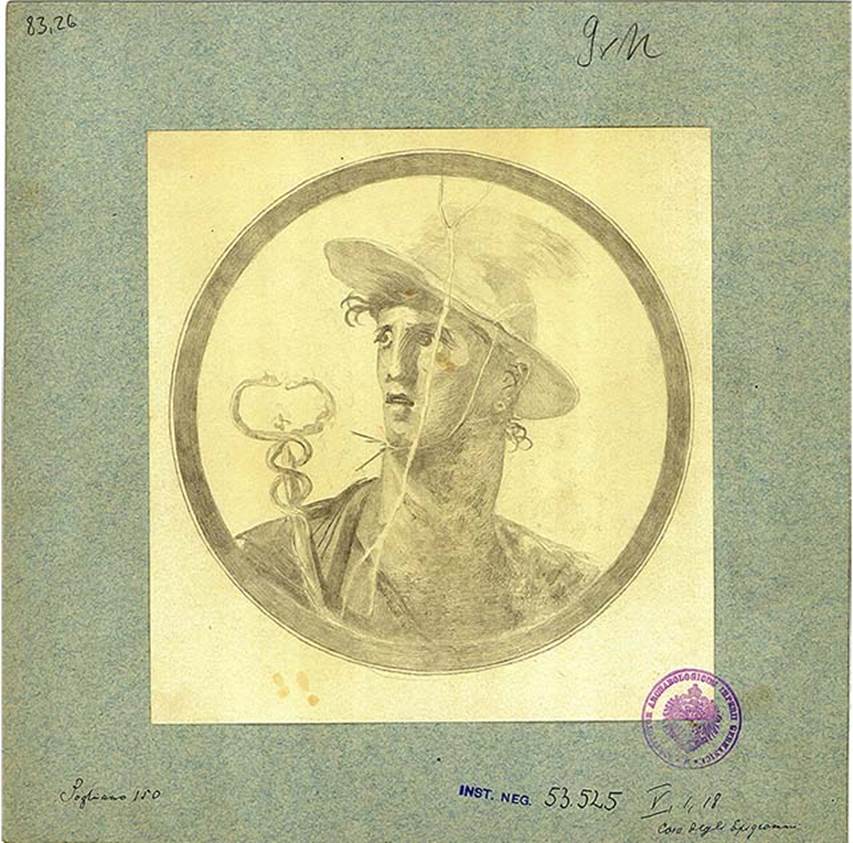
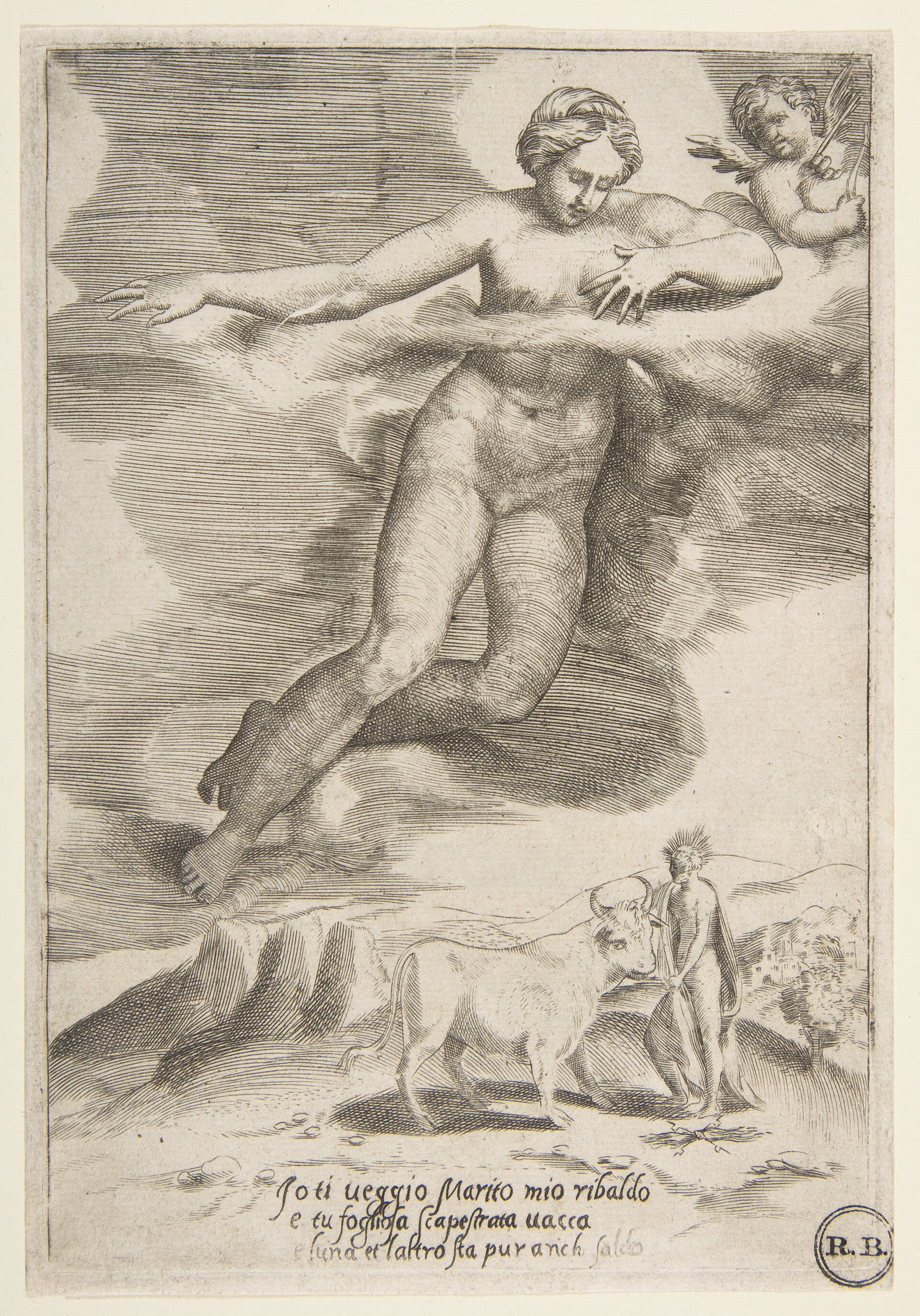
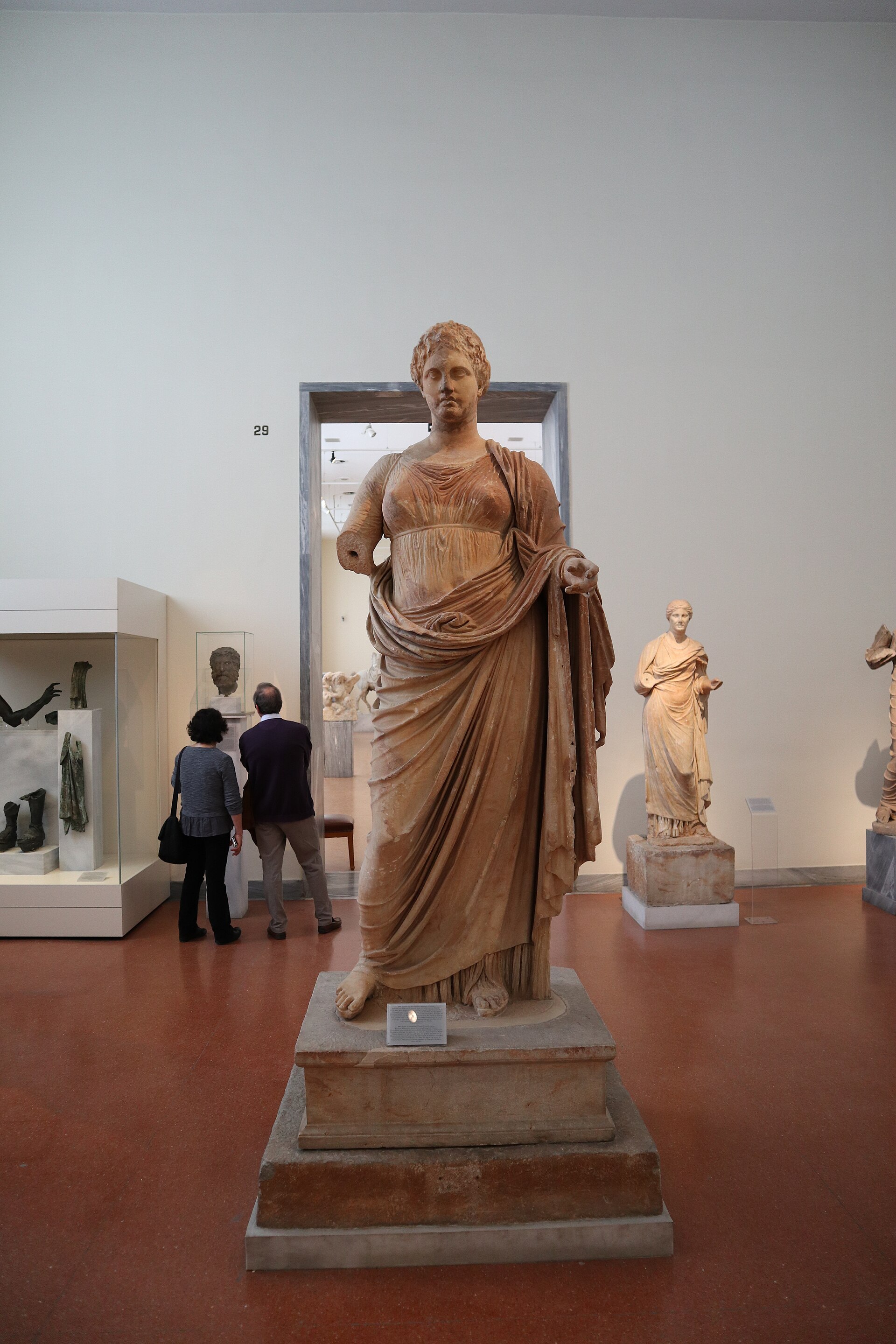
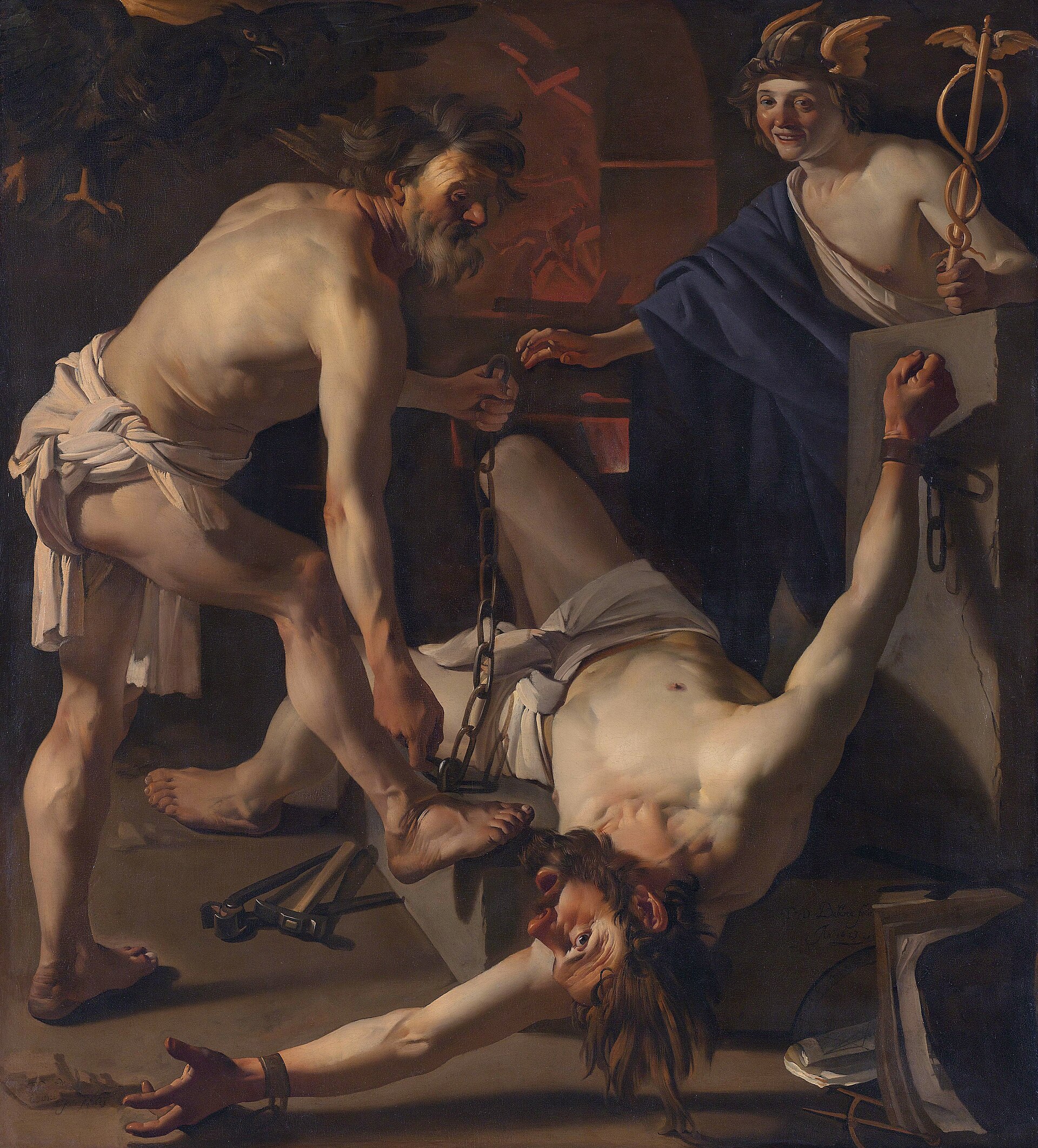
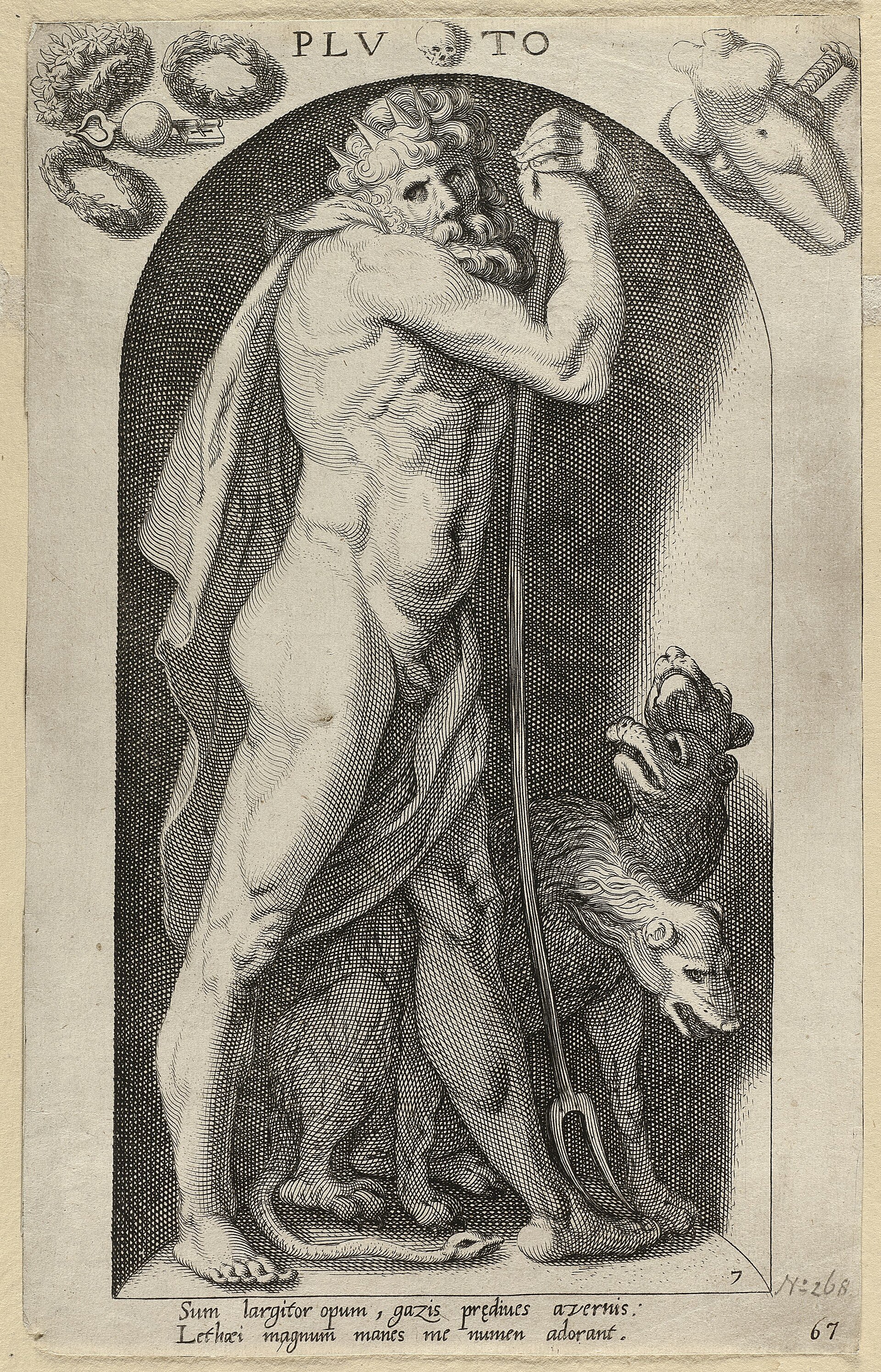
Notable myths
The Drawing of Lots
After the Titans were put away, the three brothers divided the world by lot. Poseidon reminds Iris of the terms in the Iliad, sharply: he drew the grey sea, Hades the misty dark, Zeus the wide sky and the clouds — and the earth and high Olympos belong to all three in common. He adds that being the eldest gives Zeus no right to give him orders.
Homer, Iliad 15.187-195
The Golden Chain
Zeus forbade the gods to interfere at Troy and offered them a demonstration: let all of them together take hold of a golden chain and pull, and they would not drag him down from heaven; but if he chose to pull, he would haul up the earth and the sea with them and hang the whole thing from a peak of Olympos. Nobody took the offer.
Homer, Iliad 8.18-27
The account
Zeus is the sixth child of Kronos and the only one who was not swallowed, because Rhea substituted a stone. He grew up hidden in Crete, forced his father to bring the others back up, and led a ten-year war that ended with the Titans chained under the earth. Then he and his brothers drew lots: Zeus took the sky, Poseidon the sea, Hades the dark below, and the earth and Olympos were left common to all three. What makes him different from Ouranos and Kronos is that he broke the pattern instead of repeating it. Warned that Metis would bear a son greater than his father, he swallowed her before that son existed — and so absorbed the intelligence that would have outmanoeuvred him. His epithet mētieta, the counsellor, is her name worn as an adjective. The Iliad shows the result: a king who is not the strongest possible god but the one nobody can get around, presiding over a court of relatives who spend most of the poem trying, and failing, to work him.
Ancient sources
- Hesiod, Theogony 453-458
- Homer, Iliad 15.187-195
- Homer, Iliad 8.18-27
Where a line reference is not given, the work is cited without one rather than guessed at.
Image credit
- Title
- Zeus Otricoli Pio-Clementino Inv257
- Artist
- Unknown artist Unknown artist
- Date
- Unknown
- Licence
- Public domain
