Fate
The Moirai
ΜοῖραιRoman: Parcae
Three women with a thread, and the one limit the king of the gods respects.
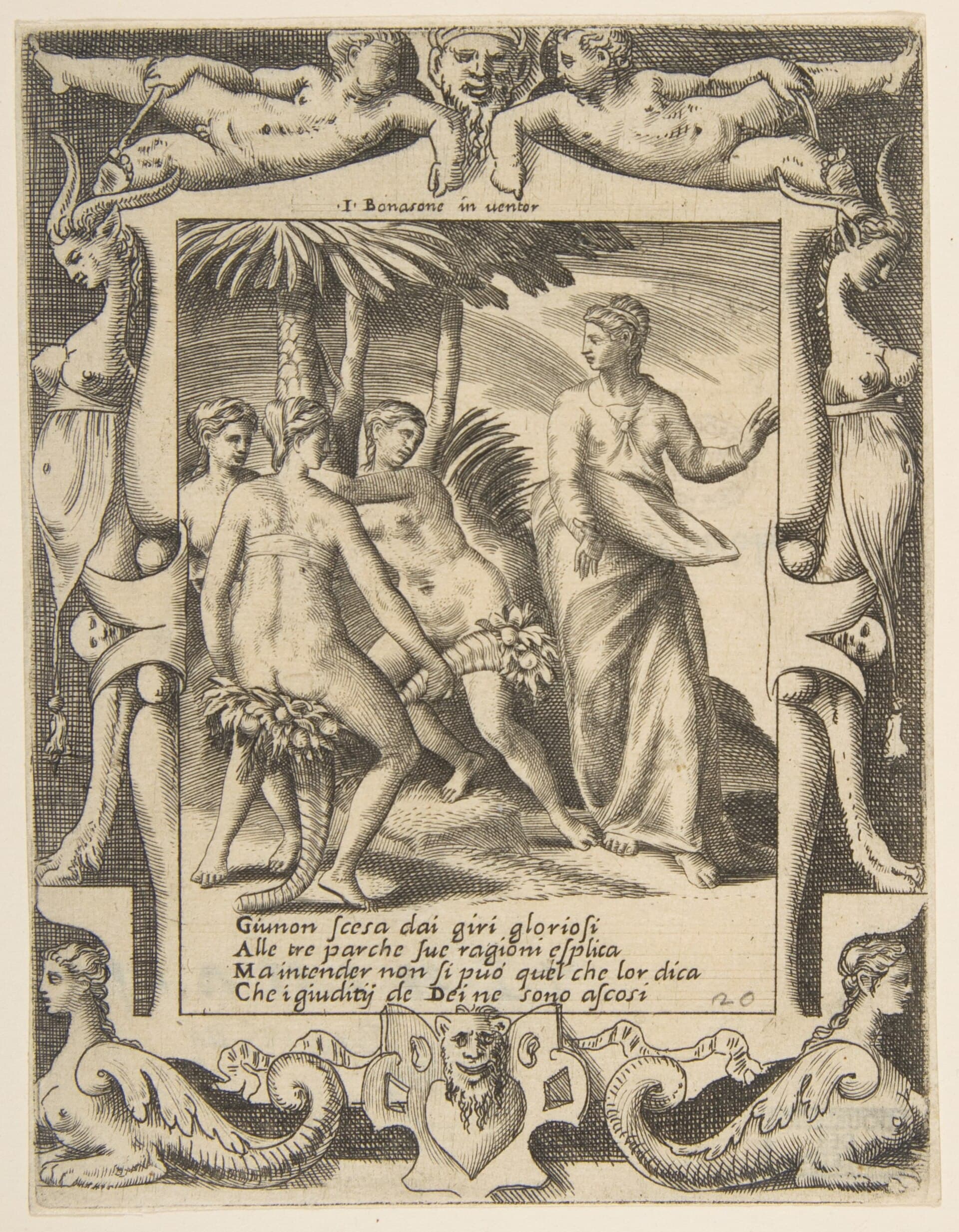
Print, 1531–76 — Metropolitan Museum of Art
- 3
- epithets
- 4
- cult sites
- 0
- offspring
- 0
- unions
- 2
- recorded births
Vitals
- Kind
- Collective
- Generation
- 1
- Domains
- allotment, the length of a life, what even Zeus does not override
- Accent
- Fate — allotment, law, retribution, prophecy
- Sacred symbols
- the spindle, the measuring rod, the shears, the thread
- Principal cult sites
- Corinth, Sparta, Olympia, Thebes
- Members
- Klotho, who spins the thread
- Lachesis, who measures it
- Atropos, who cannot be turned aside and cuts it
What they were called
Μοῖραι
the portions, the shares
κλωθές
the spinners
Αἶσα
the allotted part
Lineage
See in the treeDescent
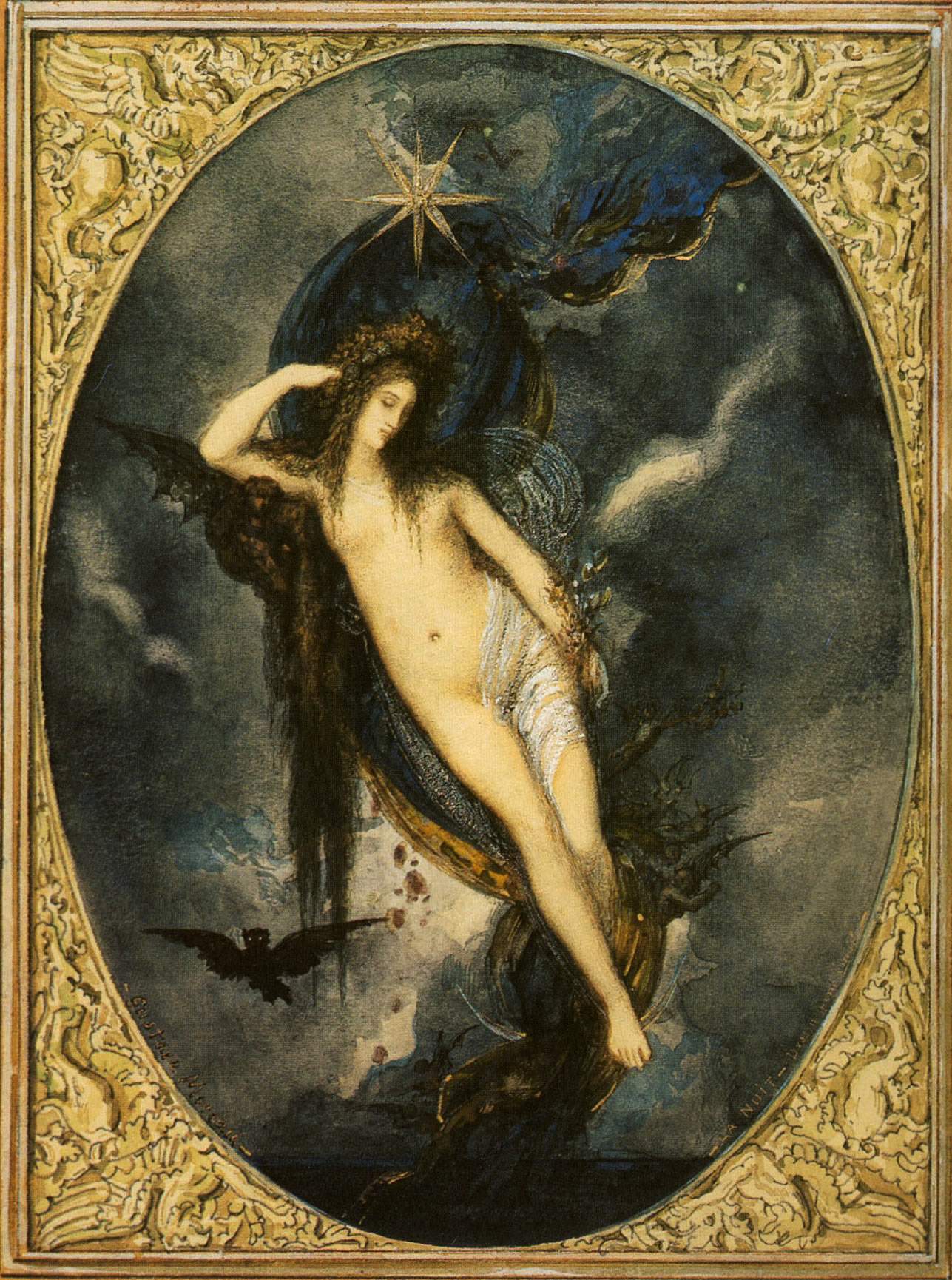 Bore them aloneNyxHesiod, Theogony
Nyx bore them alone. In this version fate is older than the Olympian order and answers to nobody.
Variant traditions
Hesiod, Theogony 904-906
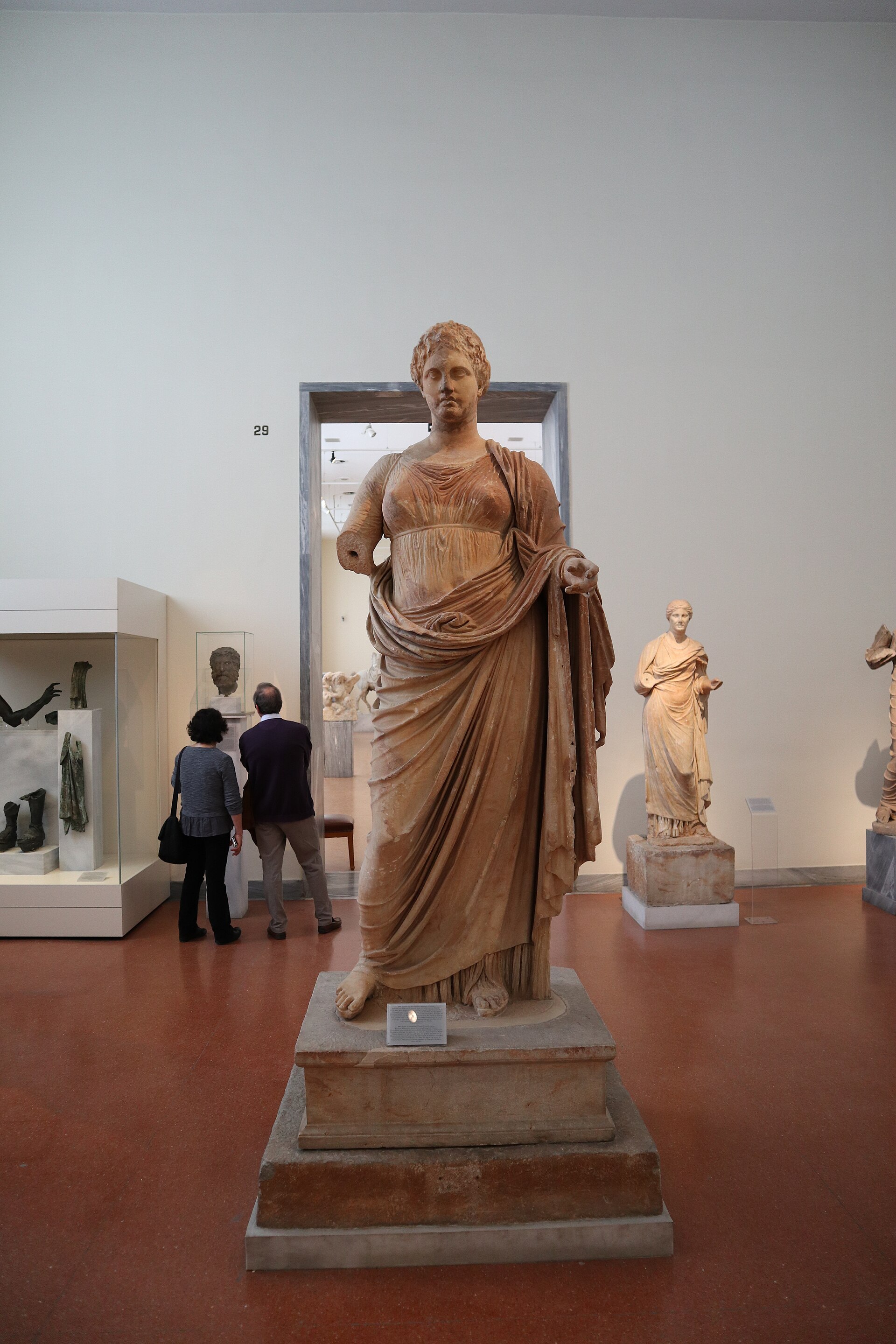
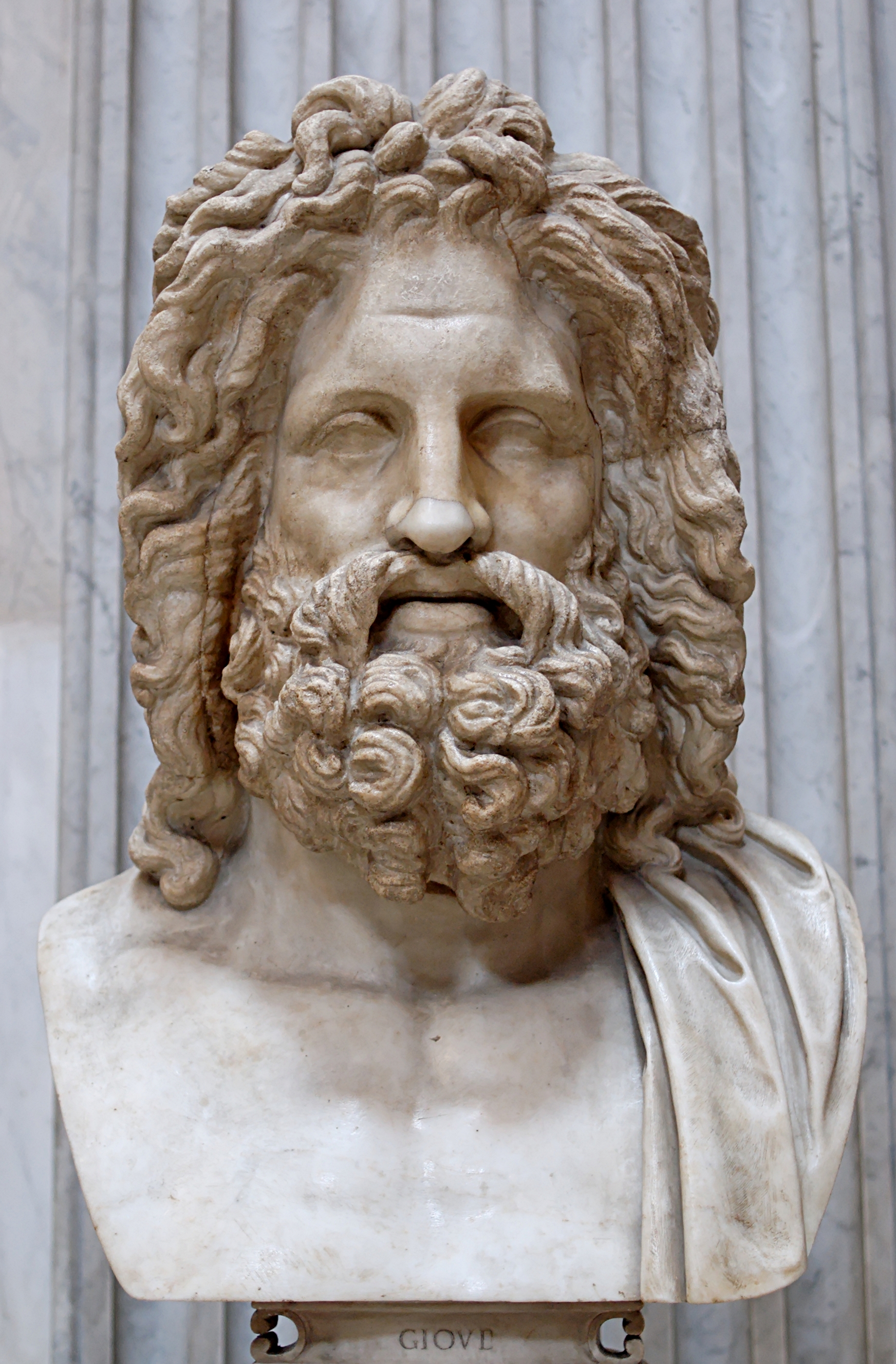
Hesiod gives both accounts in the same poem, seven hundred lines apart, and does not reconcile them. Here fate is a department of Zeus's government, born of him and divine law.
Offspring in this roster
None recorded among the figures modelled here.
Notable myths
The Scales of Zeus
Twice in the Iliad Zeus holds up golden scales and puts two fates of death in them, and the side that sinks decides. He is not choosing; he is reading. The image gives fate a mechanism and gives the king of the gods the job of consulting it.
Homer, Iliad 22.209-213
Two Mothers
Hesiod names the Moirai twice. First among the children Night bore without a father, alongside Doom and the Keres, punishing gods and men for wrongdoing and never letting go of their anger. Then again as daughters of Zeus and Themis, honoured above all, who give men good and evil to have. The same three women, twice, on opposite sides of the succession.
Hesiod, Theogony 217-222, 904-906
The account
Klotho spins, Lachesis measures, Atropos cuts, and between them they hold the one power the Olympians cannot simply overrule. The Theogony gives them two births and does not choose: at line 217 they are daughters of Night, produced alone, older than Zeus and outside his order; at line 904 they are daughters of Zeus and Themis, and he gave them the greatest honour. Both are in this record because the contradiction is the point — Greek thought never settled whether fate constrains the gods or expresses their will. Homer puts the question directly. Zeus watches his son Sarpedon about to be killed and considers lifting him off the field; Hera tells him he may of course do it, but that no other god will approve and that every other god will then want to do the same for their own children. He lets it happen and weeps tears of blood. That is the working answer: he could, and the cost of doing it would be the end of the arrangement he rules by.
Ancient sources
- Hesiod, Theogony 217-219
- Hesiod, Theogony 904-906
- Homer, Iliad 22.209-213
- Hesiod, Theogony 217-222, 904-906
Where a line reference is not given, the work is cited without one rather than guessed at.
Image credit
- Title
- Juno at the right turning and speaking to the Fates, set within an elaborate frame, from the 'Loves, Rages and Jealousies of Juno'
- Artist
- Giulio Bonasone
- Date
- 1531–76
- Licence
- CC0
