Underworld
The Erinyes
ἘρινύεςRoman: Furiae
Born out of the blood of a castration, and they never let a family killing go.
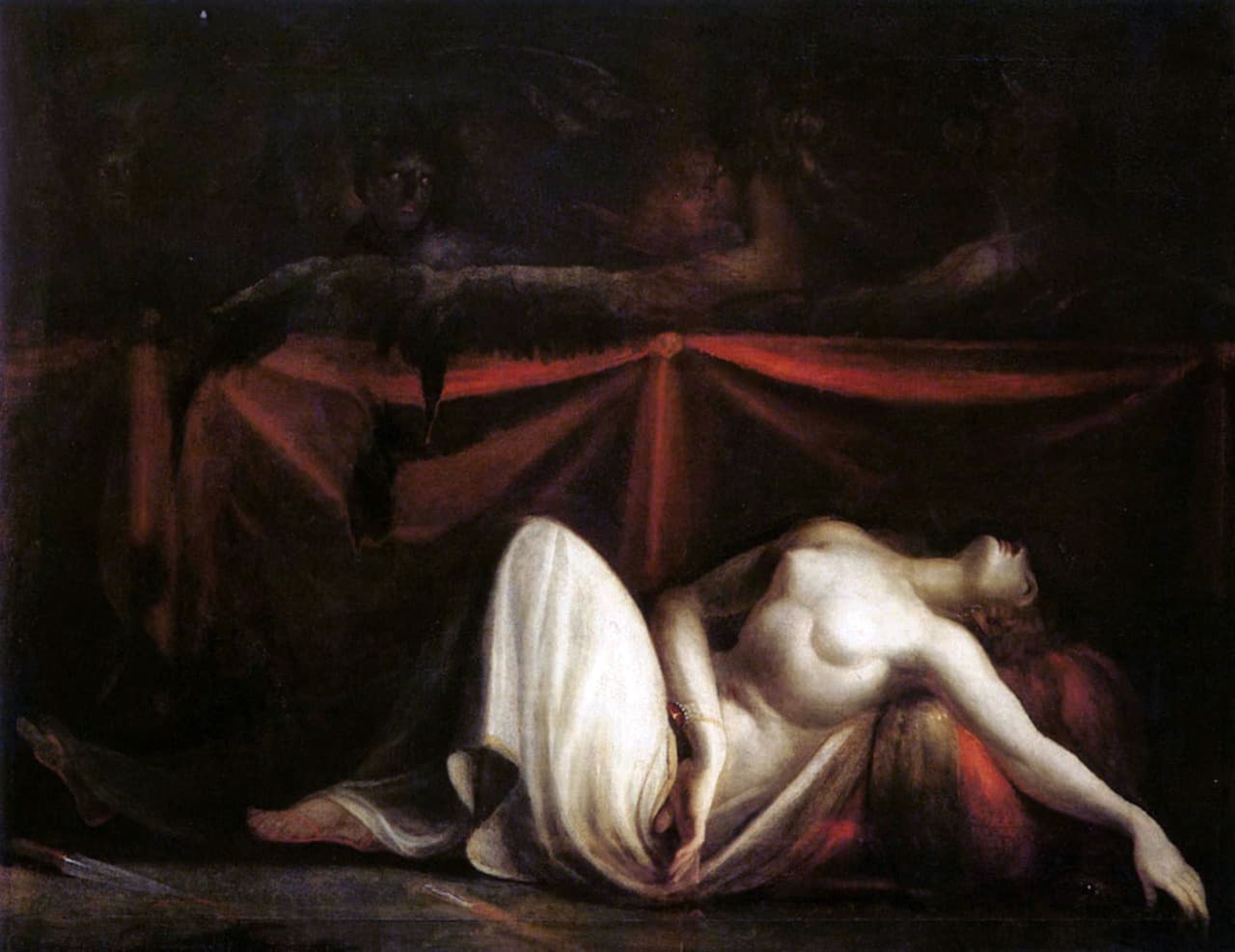
Johann Heinrich Füssli, 1821
- 3
- epithets
- 3
- cult sites
- 0
- offspring
- 0
- unions
- 1
- recorded birth
Vitals
- Kind
- Collective
- Generation
- 1
- Domains
- blood guilt, oaths broken, the claim of the murdered kin
- Accent
- Underworld — the dead, the pit, what is under the ground
- Sacred symbols
- the snake, the whip, the black robe, the torch
- Principal cult sites
- Athens (the Areopagus), Kolonos, Sikyon
- Members
- Alekto, unceasing
- Megaira, the grudge
- Tisiphone, avenger of murder
What they were called
Εὐμενίδες
the kindly ones — said to avoid saying the real name
Σεμναί
the august ones
Ἀραί
the curses
Lineage
See in the treeDescent
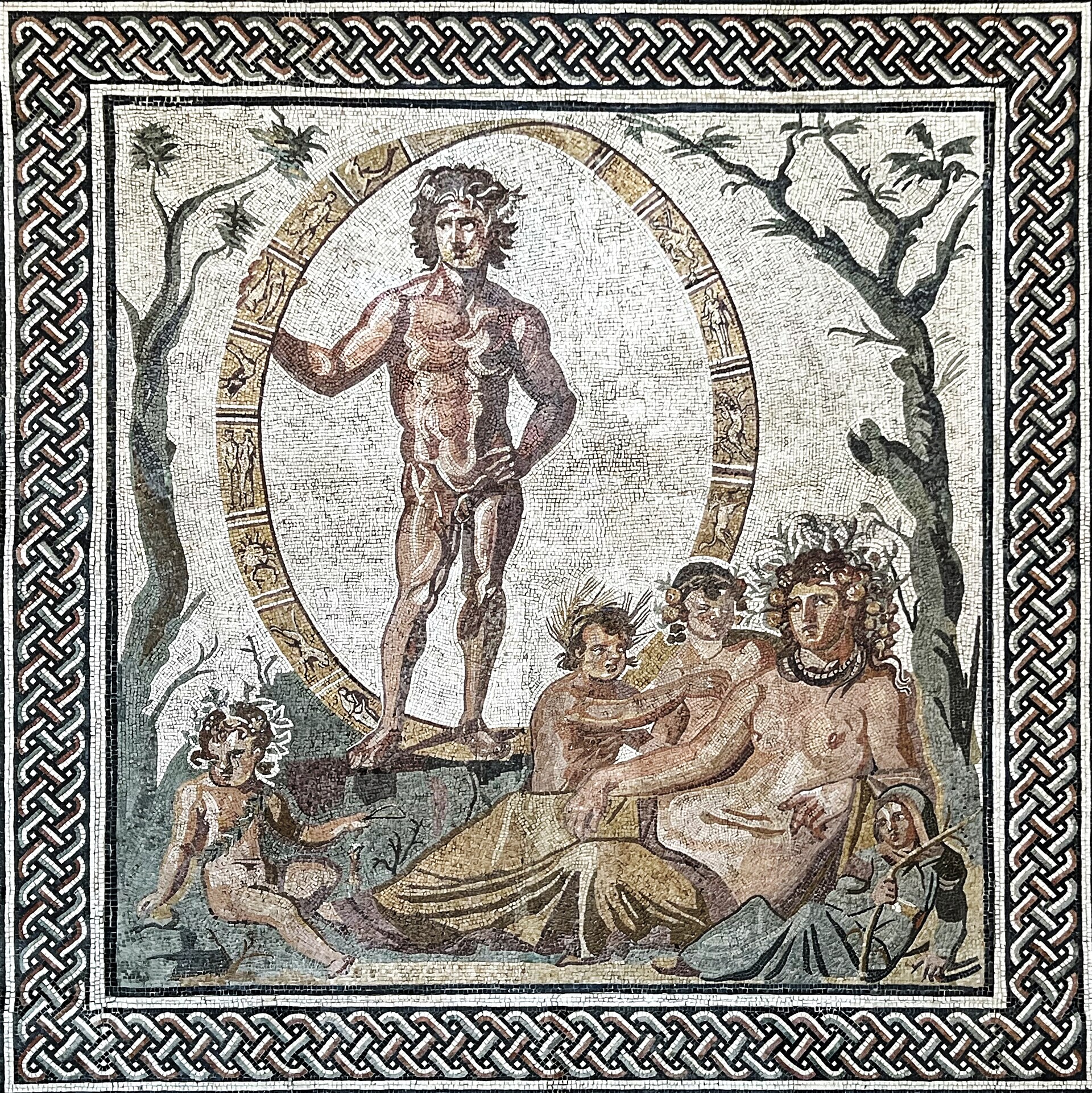 Received byGaiaHesiod, Theogony
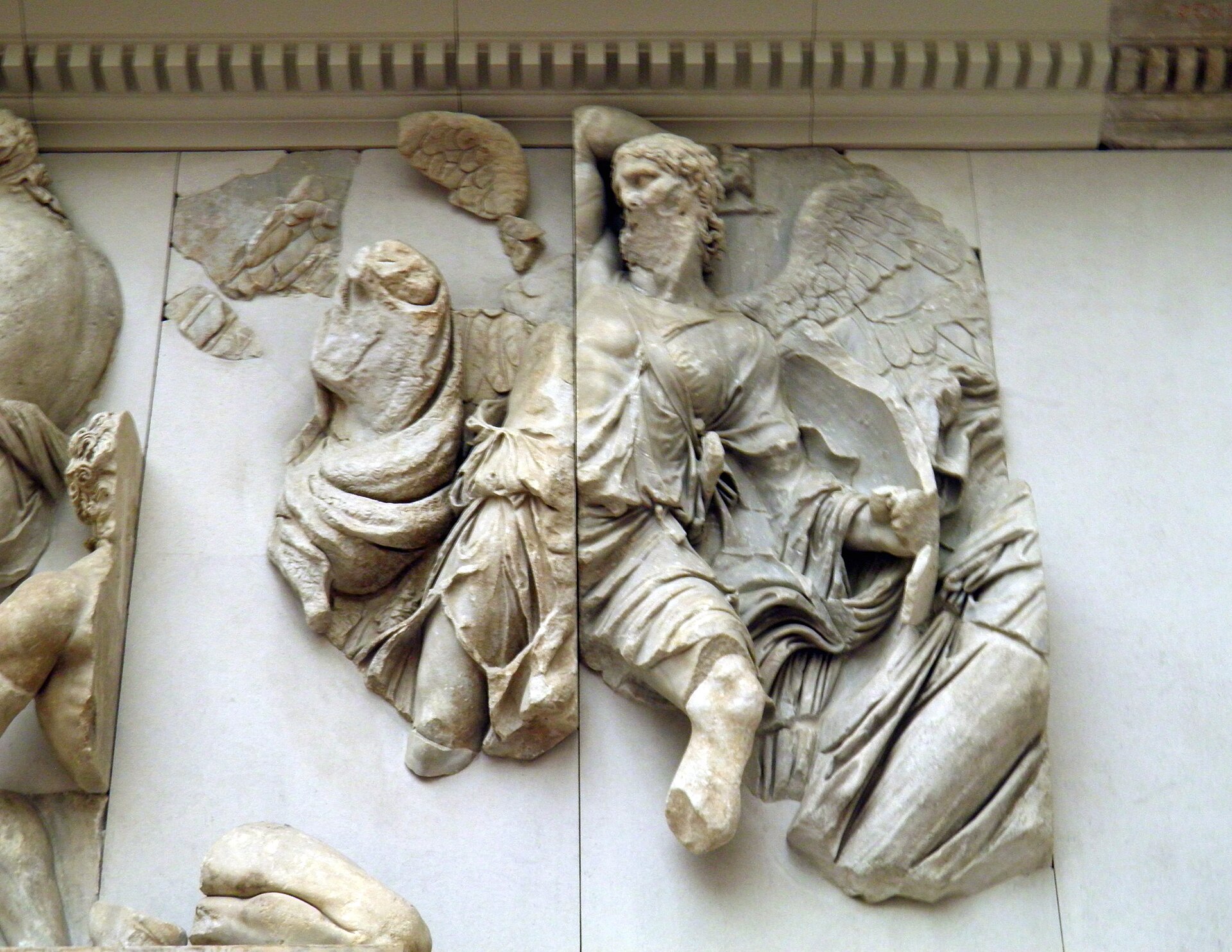 Formed from the matter ofOuranosHesiod, Theogony
When Kronos cut down Ouranos, the drops of blood fell on the earth and Gaia received them, and in the turning years she bore the Erinyes, the Giants and the ash-tree nymphs. Both parents are real, and the birth is from spilled blood -- the same mode Aphrodite has, from the same wound, in the same passage.
Offspring in this roster
None recorded among the figures modelled here.
Notable myths
Out of the Blood
The drops that fell from Ouranos when Kronos cut him were received by the earth, and as the years came round Gaia bore the strong Erinyes, the great Giants in shining armour, and the nymphs of the ash trees. The severed flesh went into the sea and became Aphrodite. One act of violence, two births, twenty lines apart.
Hesiod, Theogony 183-187
Talked Down at Athens
Having lost the vote over Orestes, the Erinyes threatened to drop poison on Attic soil that would blight the crops and kill the children. Athena did not command them to stop. She offered them a cave beneath the Areopagus, first offerings from every household, and honour at every marriage and birth in the city. They took it, and were renamed the Kindly Ones.
Aeschylus, Eumenides 778-1047
The account
The Erinyes come out of the same wound as Aphrodite. Kronos cut, the blood fell on the earth, and Gaia bore them — which puts vengeance and desire in the same sentence of the Theogony, born of the same act. They pursue crimes inside a family, above all the killing of a parent, and they cannot be reasoned with or bought off; Herakleitos says that if the sun steps outside its measures the Erinyes will find it out. Aeschylus makes them the antagonists of the Eumenides and then does something remarkable with them. They chase Orestes for killing his mother; Apollo, who told him to do it, treats them with open contempt; Athena refuses to decide the case herself and invents a jury. When they lose, they threaten to poison the soil of Attica, and Athena does not overrule them — she negotiates, for several hundred lines, and offers them a permanent honoured cult under the city in exchange. They accept. The play ends with a torchlit procession escorting them to it.
Ancient sources
- Hesiod, Theogony 183-187
- Aeschylus, Eumenides 778-1047
Where a line reference is not given, the work is cited without one rather than guessed at.
Image credit
- Title
- Die Erinnyen vertreiben Alkmaion von der Leiche seiner von ihm getöteten Mutter Eriphyle The Erinyes Drive Alcmaeon from the Corpse of his Mother, Eriphyle, Whom He Has Killed.
- Artist
- Henry Fuseli
- Date
- 1821
- Licence
- Public domain
.jpg)