Love
Aphrodite
ἈφροδίτηRoman: Venus
Older than the Olympians in one tradition and Zeus's daughter in another.
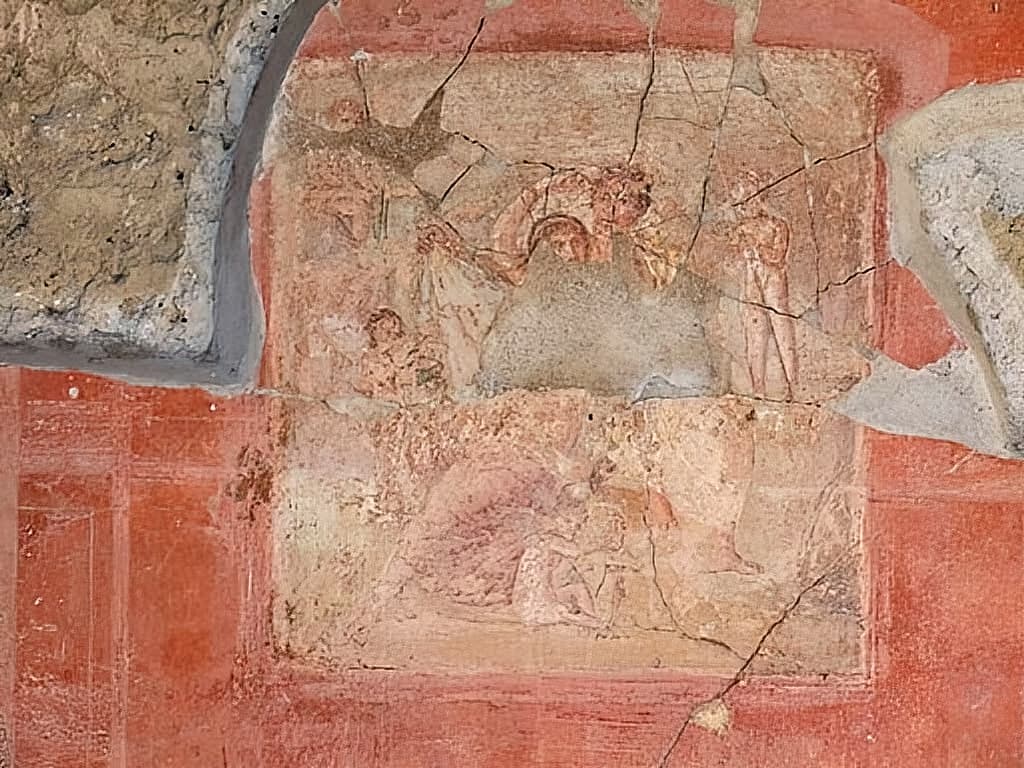
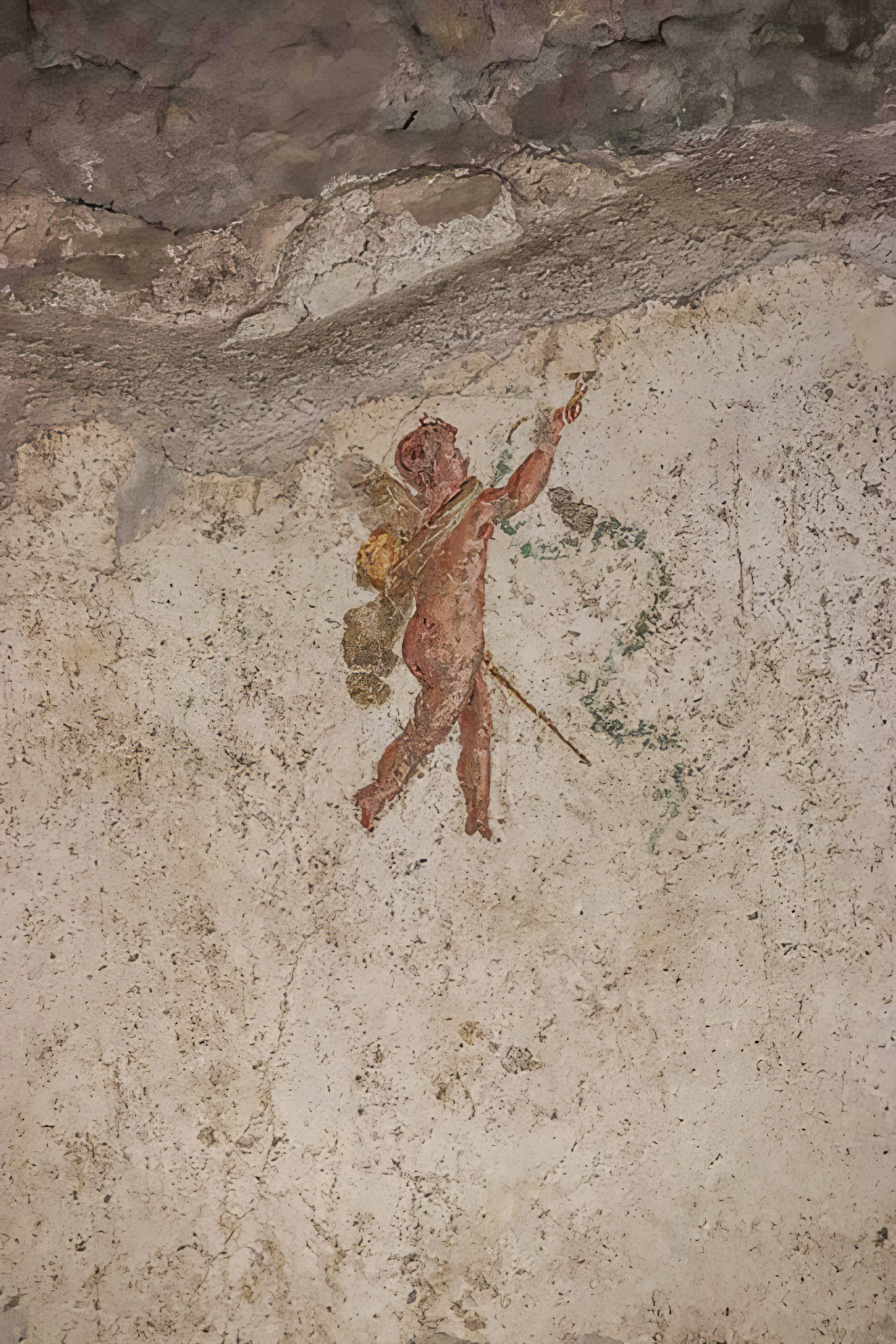
Wall painting, House of the Greek Epigrams, Pompeii — 1st century CE
- 5
- epithets
- 4
- cult sites
- 2
- offspring
- 2
- unions
- 2
- recorded births
Vitals
- Kind
- Olympian
- Generation
- 1
- Domains
- desire, the sea's foam, the compulsion nobody escapes
- Accent
- Love — desire, grace, marriage
- Sacred symbols
- the dove, the myrtle, the scallop shell, the embroidered band
- Principal cult sites
- Paphos on Cyprus, Kythera, Corinth, Sparta
What they were called
φιλομμειδής
laughter-loving — and, Hesiod hints, genital-loving
Οὐρανία
of the heavens, born of Ouranos
Κυπρογενής
Cyprus-born
Ἀναδυομένη
rising out of the water
Ἄρεια
of war — her armed Spartan cult
Lineage
See in the treeDescent
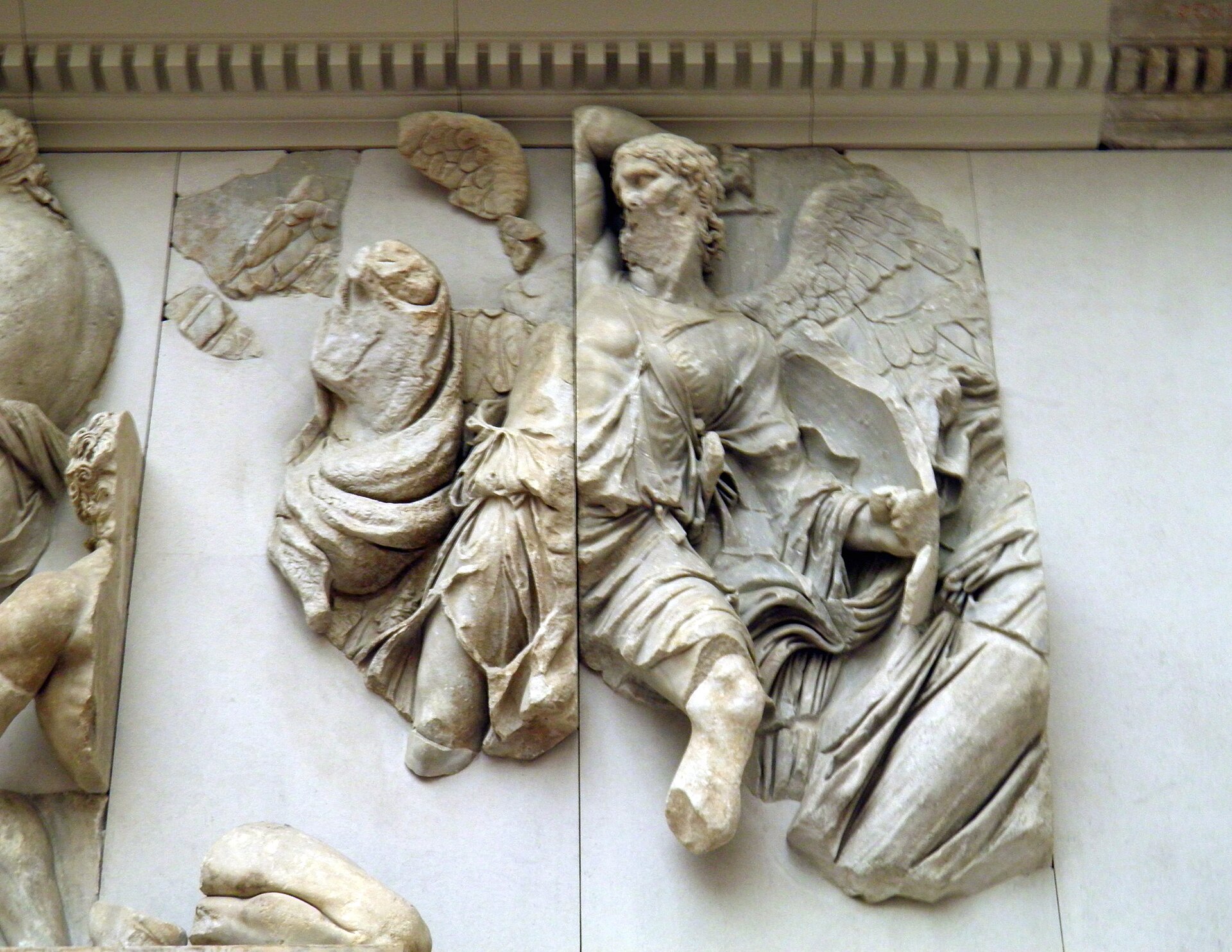 Formed from the matter ofOuranosHesiod, Theogony
Kronos threw the severed genitals of Ouranos into the sea; they drifted a long time, white foam gathered around the immortal flesh, and a girl grew in it. No mother, and a father who was already dead by the time she formed. This is why she sits in the Titan band of the tree rather than with her supposed half-siblings.
Variant traditions
Homer, Iliad 5.370-372
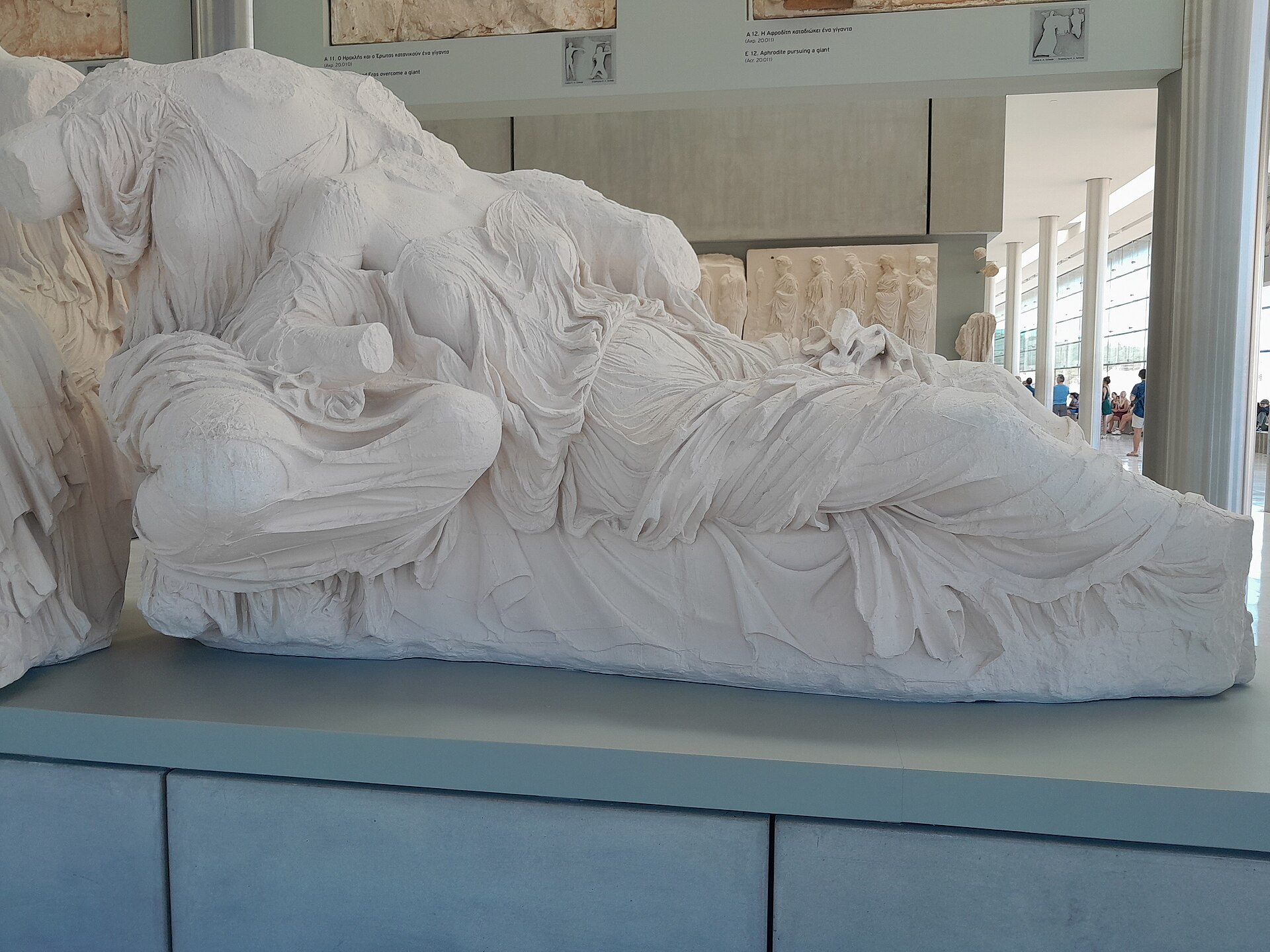
Homer never mentions the sea-birth. Here she is an ordinary daughter of Zeus who runs to her mother when she is hurt. Accepting this tradition would move her two generations down the tree, which is why the generation warning on this record is expected rather than a defect.
Offspring in this roster
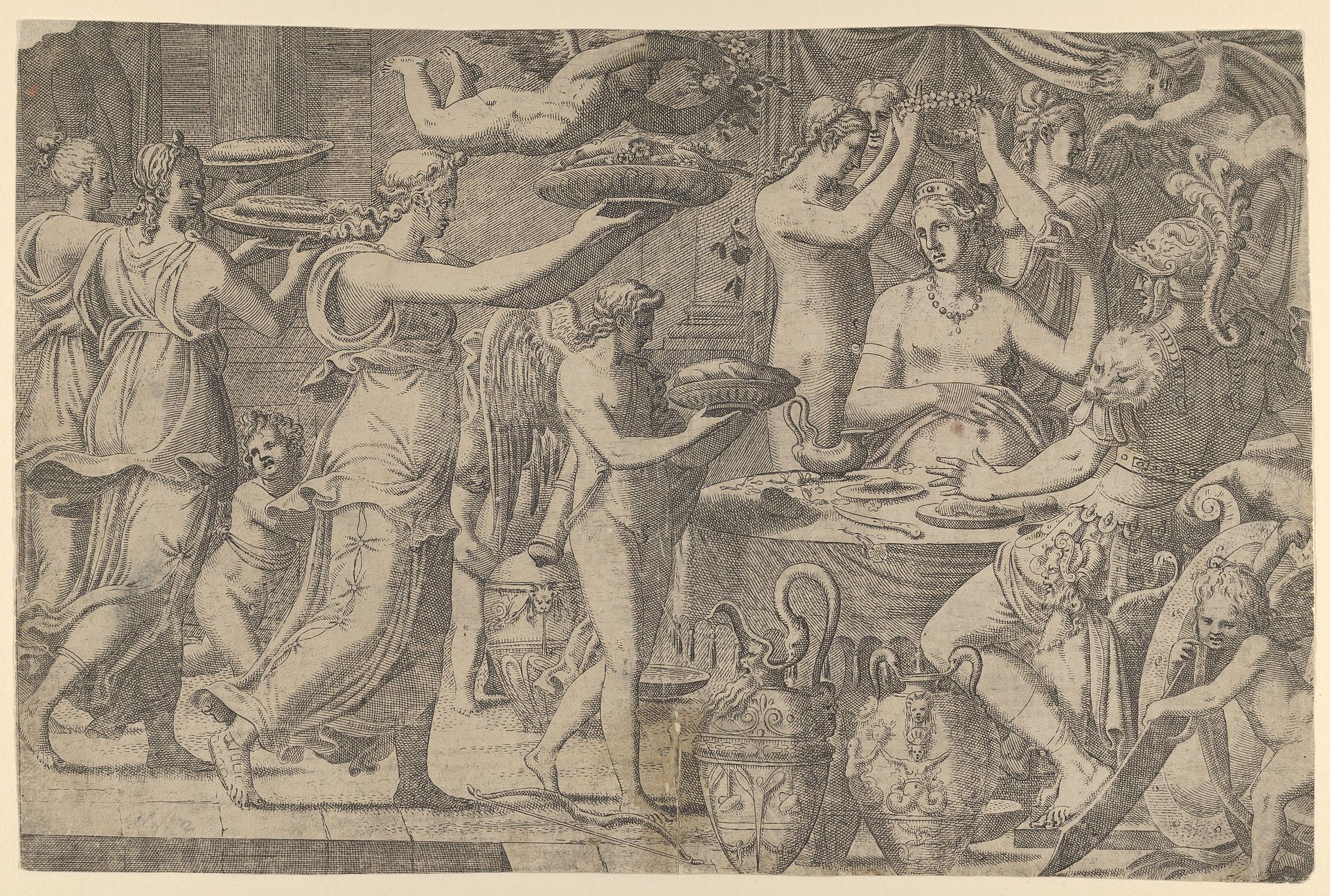
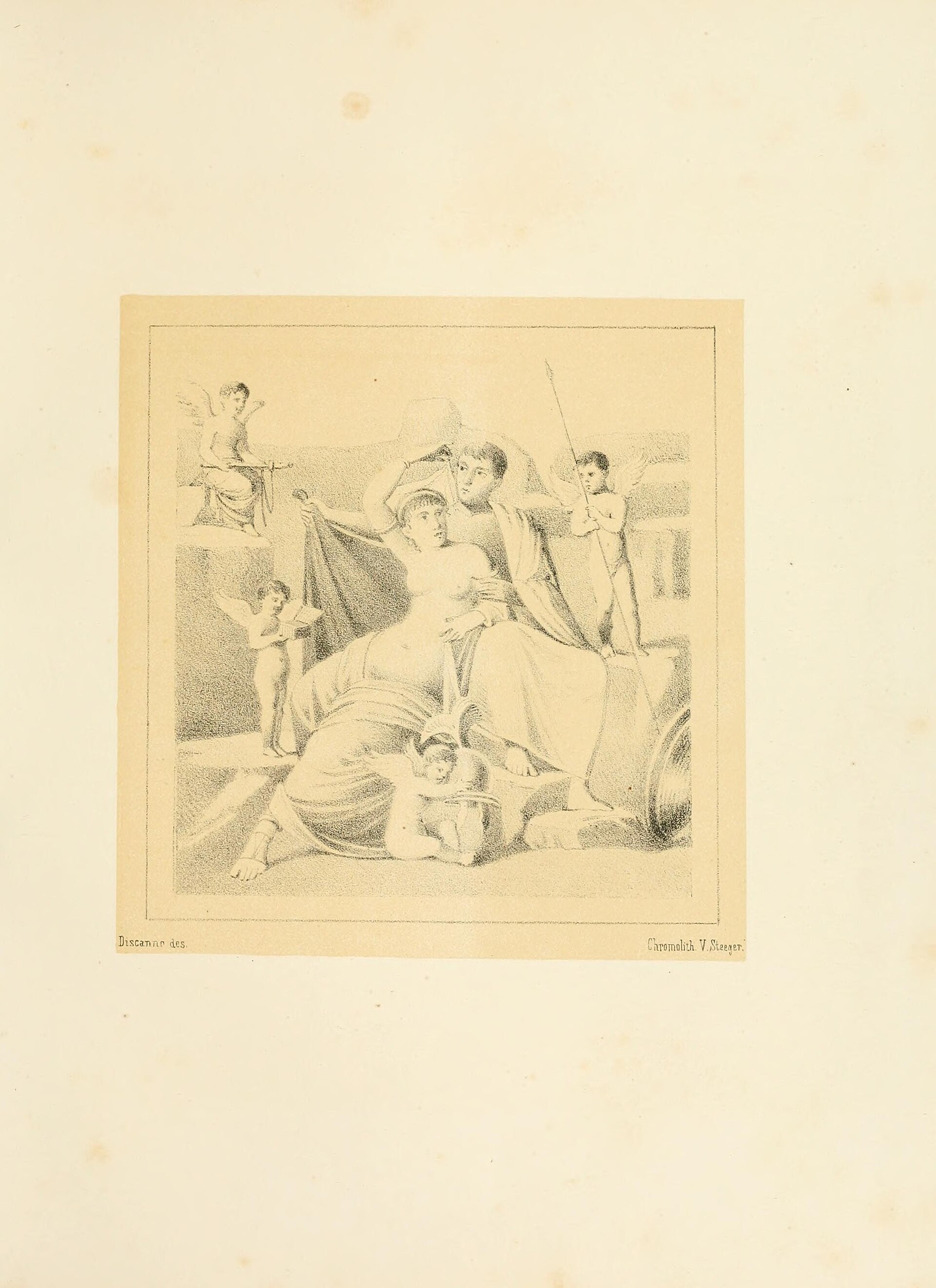
Notable myths
Out of the Foam
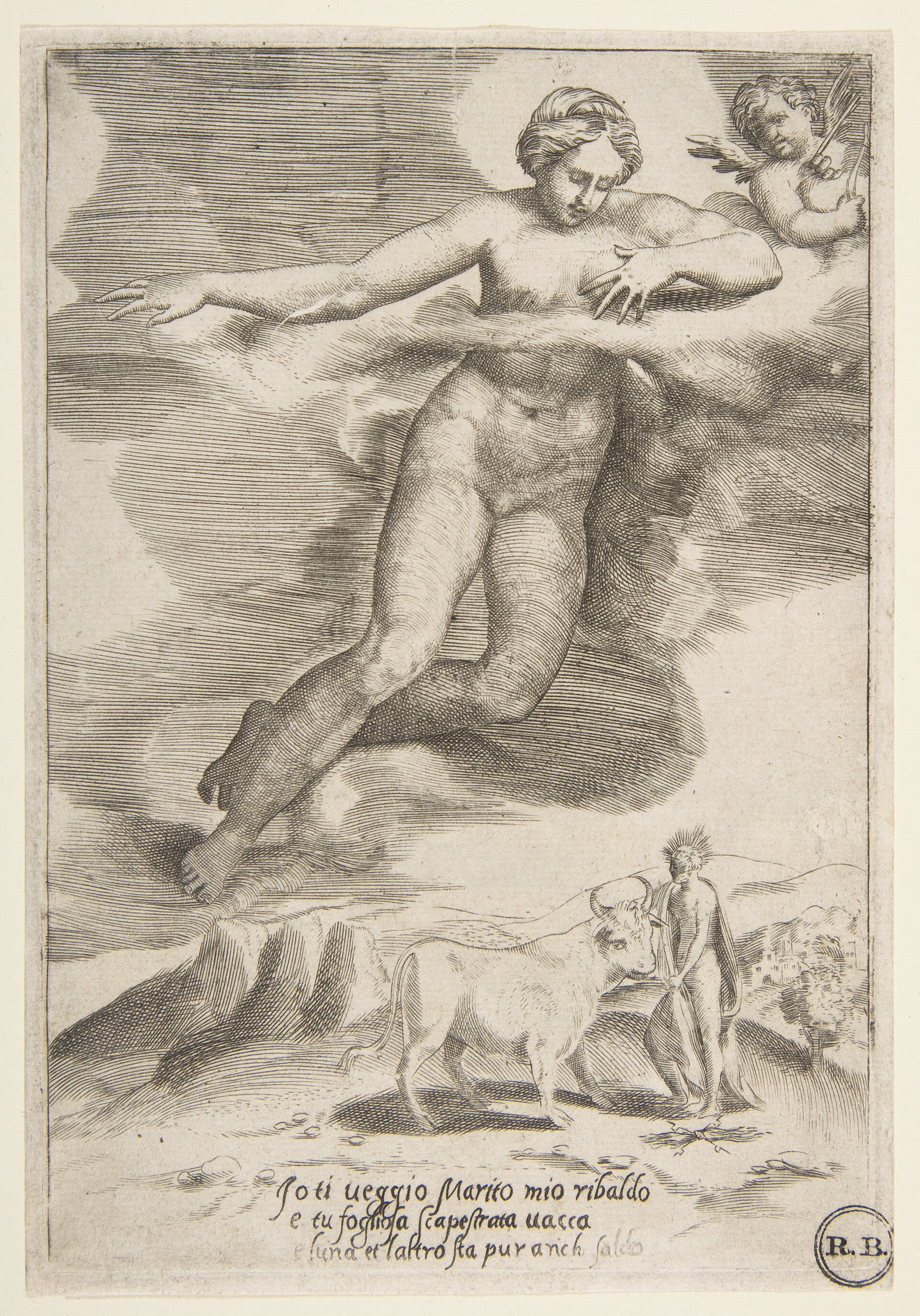
Kronos cut off his father's genitals and threw them behind him into the sea, where they were carried for a long time. White foam spread out of the immortal flesh, and in it a girl was formed. She came ashore first at Kythera and then at Cyprus, and grass grew where she set her feet. Eros and Desire went with her from the moment she was born.
Hesiod, Theogony 188-206
Anchises on Mount Ida
Zeus, tired of Aphrodite making the gods sleep with mortals, made her want a herdsman on Mount Ida. She dressed, went down, told Anchises she was a Phrygian princess whom Hermes had carried off for him, and let him take her to bed. Afterwards she showed him what she was, and he was terrified. Their son was Aineias.
Homeric Hymns, Hymn to Aphrodite 45-291
The account
There are two Aphrodites and Plato noticed before anyone else. Hesiod's is the elder: when Kronos cut down Ouranos he threw the severed parts into the sea, foam gathered round them, and out of it a goddess grew and came ashore at Cyprus with grass springing up under her feet. That Aphrodite has no mother, predates the Olympians, and is a cosmic force — she gets Eros and Himeros as attendants from the moment of her birth. Homer's is younger and domestic, the daughter of Zeus and Dione, who is wounded by a mortal at Troy and cries in her mother's lap. Both are in this record; the graph draws the first and offers the second as a variant. What neither version softens is what she does. She is not affection. In the Hymn she takes Anchises to bed by lying to him, and Zeus makes her do it to teach her that she is not exempt from what she inflicts on everyone else.
Ancient sources
- Hesiod, Theogony 188-206
- Homer, Iliad 5.370-372
- Homeric Hymns, Hymn to Aphrodite 45-291
Where a line reference is not given, the work is cited without one rather than guessed at.
Image credit
- Title
- Venus at her toilette with Mars in Exedra o of the House of the Greek Epigrams courtesy of Buzz Ferebee 02
- Artist
- Unknown 1st century CE artist in Pompeii
- Date
- 1st century CE
- Licence
- Public domain
