Sky
Hera
ἭραRoman: Iuno
Queen of the gods, and the only one who consistently gets what she wants from Zeus.
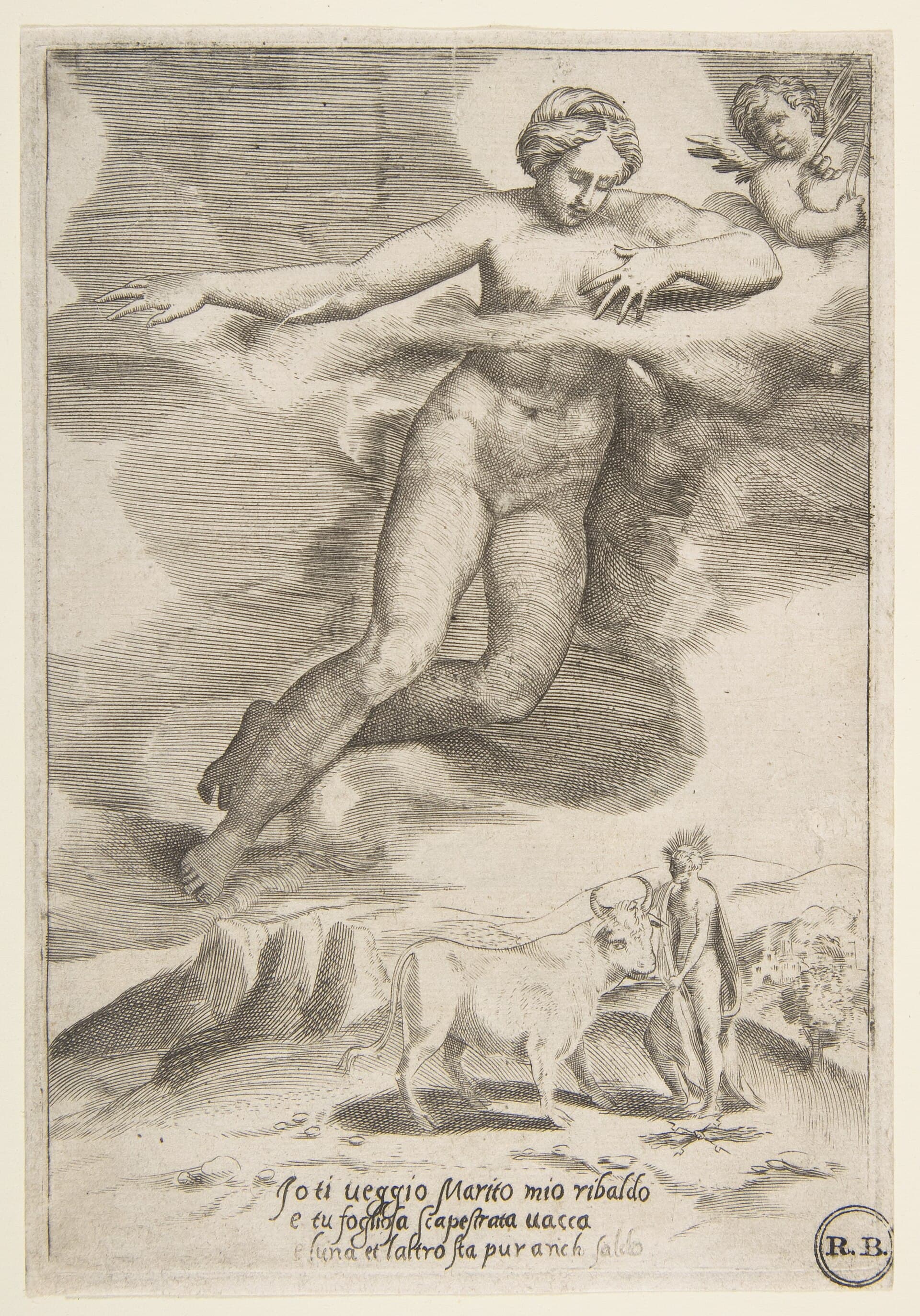
Engraving, Giulio Bonasone — 1531–60, Metropolitan Museum of Art
- 4
- epithets
- 4
- cult sites
- 3
- offspring
- 1
- union
- 1
- recorded birth
Vitals
- Kind
- Olympian
- Generation
- 2
- Domains
- marriage, queenship, the legitimacy of a household
- Accent
- Sky — the open air, weather, the thunderbolt
- Sacred symbols
- the peacock, the pomegranate, the diadem, the cuckoo
- Principal cult sites
- Argos, Samos, Olympia, Paestum
What they were called
λευκώλενος
white-armed
βοῶπις
cow-eyed, wide-eyed
Τελεία
she who completes — of the marriage rite
χρυσόθρονος
golden-throned
Lineage
See in the tree
Notable myths
The Deception of Zeus
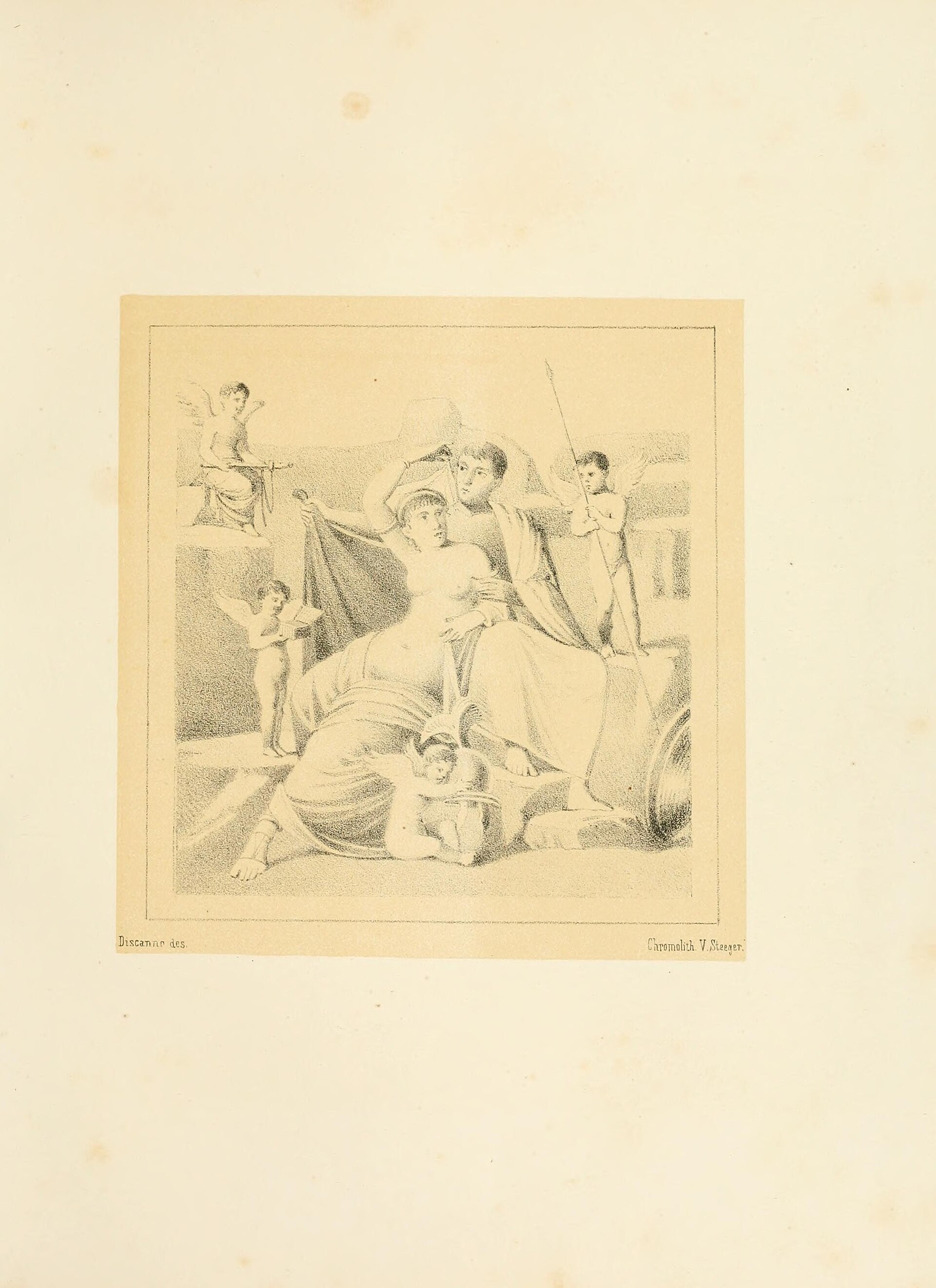
Hera set out to get Zeus off the battlefield. She washed, oiled and dressed, borrowed Aphrodite's embroidered band by claiming she wanted to reconcile Okeanos and Tethys, and bought Hypnos with the offer of a Grace as a wife. Zeus saw her on Ida and wanted her more than he had wanted anyone, and said so at length and unwisely. Then he slept, and Poseidon turned the fighting.
Homer, Iliad 14.153-353
The Golden Chair
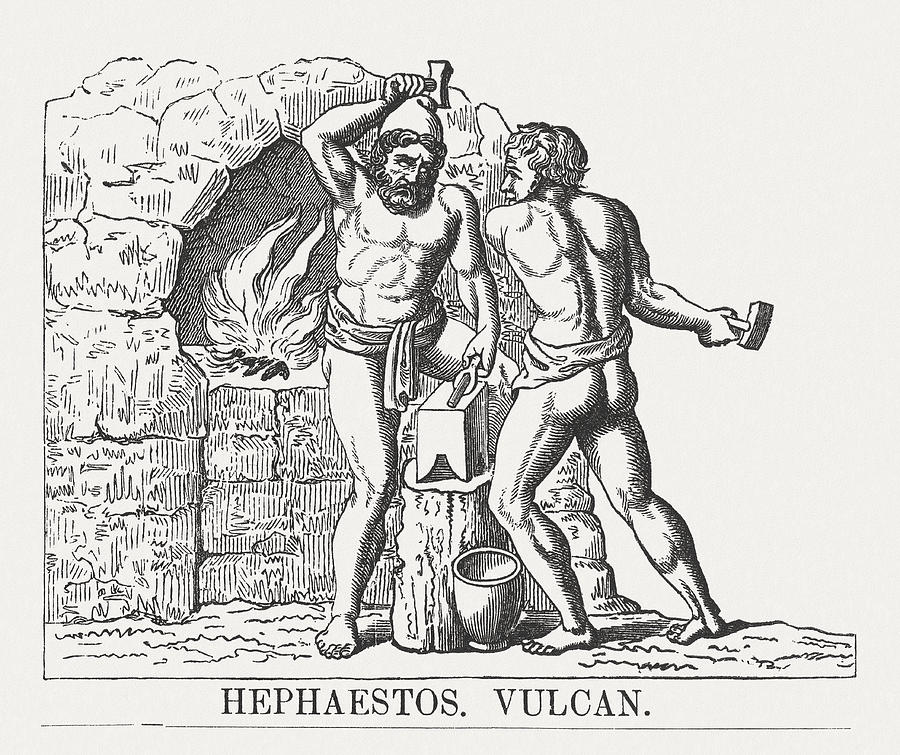
Hera threw the newborn Hephaistos out of Olympos because he was lame. He grew up, made a golden throne of great beauty and sent it to her as a gift, and when she sat down invisible bindings held her and nobody could free her. He refused to come until Dionysos got him drunk and brought him up on a mule. The price of her release was Aphrodite.
Pausanias, Description of Greece 1.20.3 (Roman-era)
The account
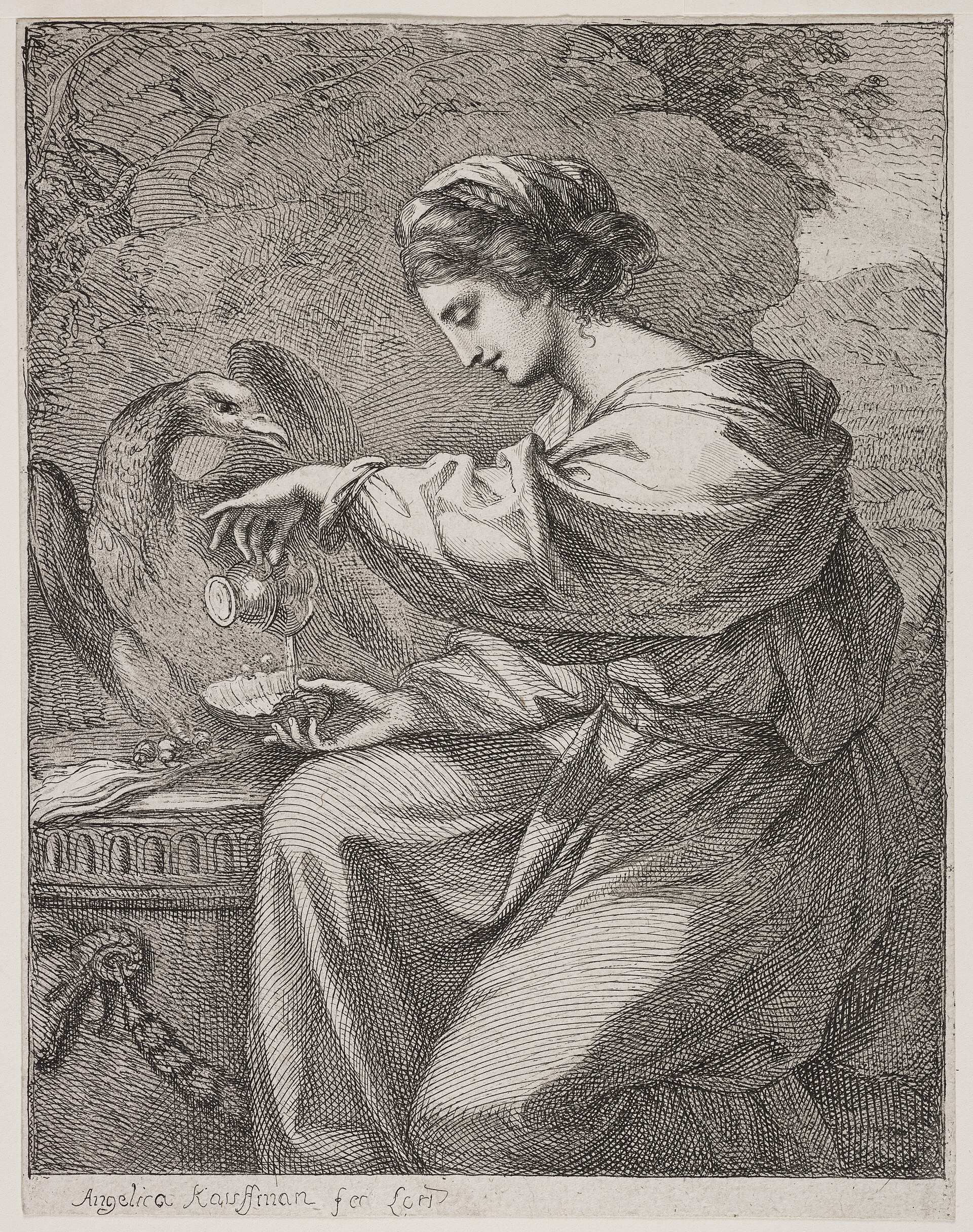
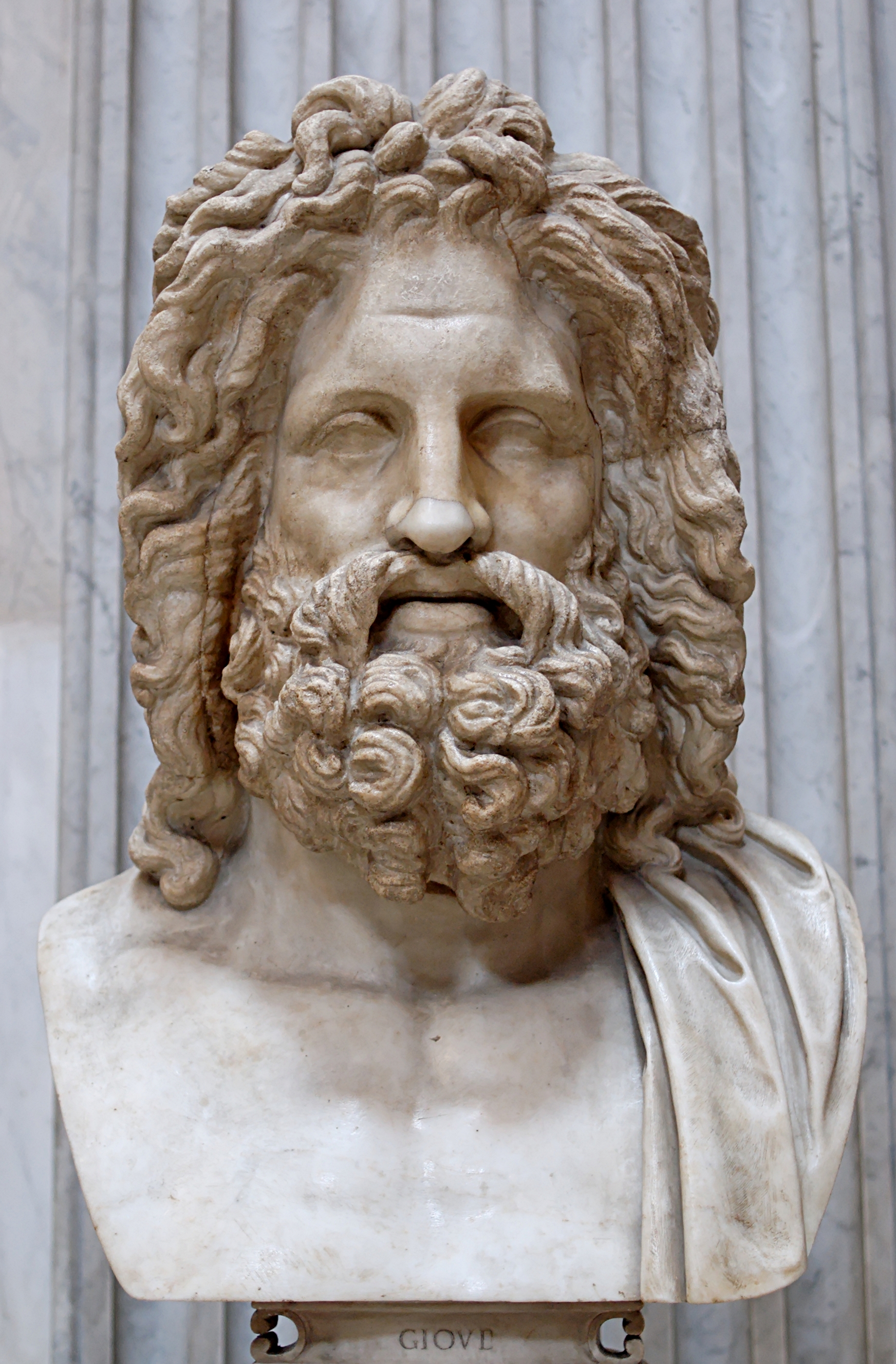
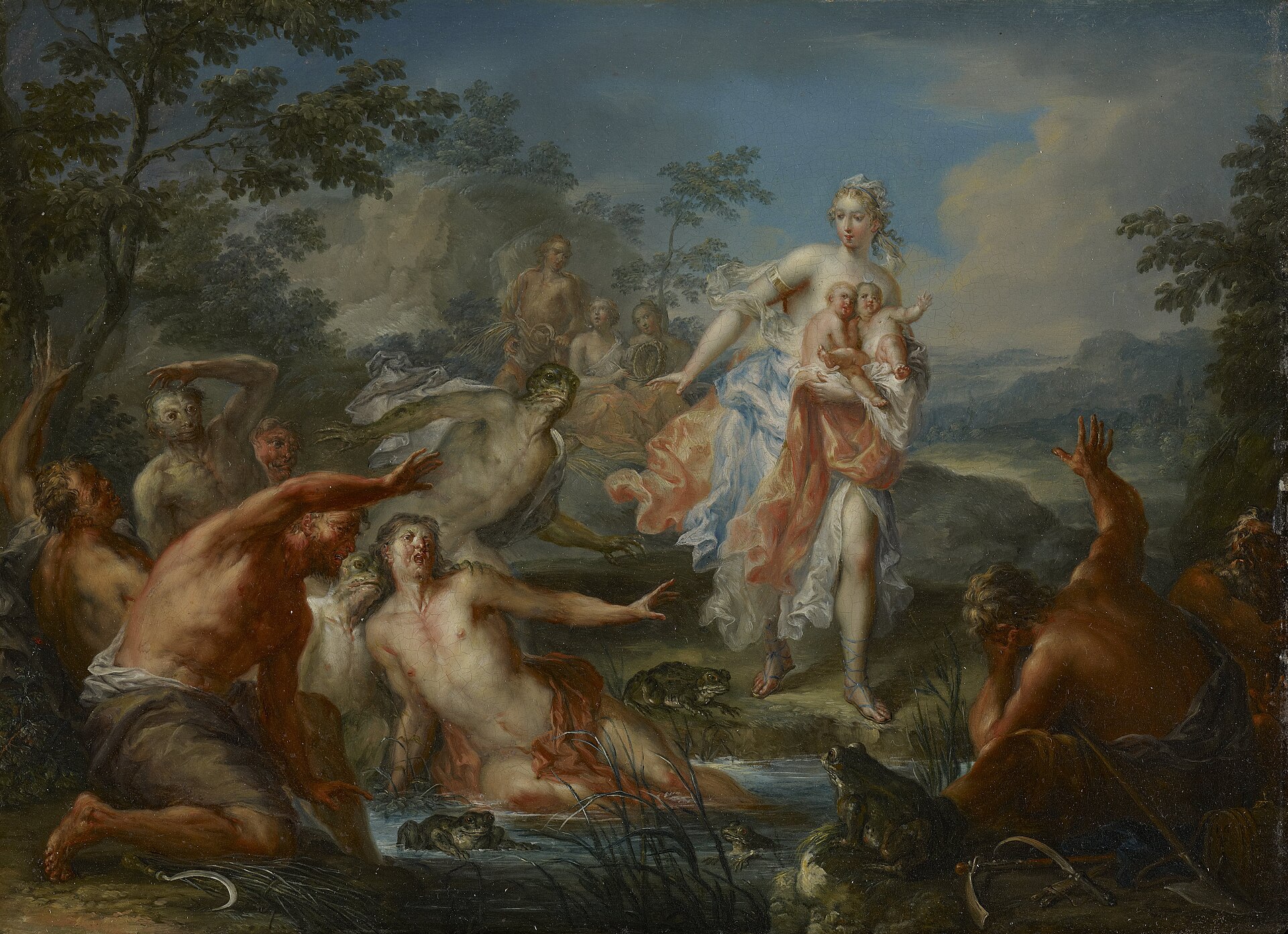
Hera is Kronos's daughter, Zeus's sister, and his wife, and the marriage is the institution she governs. Her cult is enormous — Argos and Samos both claim her, and the temple at Samos was among the largest in the Greek world — and it is not primarily about jealousy. Hera Teleia is the goddess who makes a marriage complete, and she is invoked at weddings across Greece. The literary Hera is a different and sharper figure: relentless, procedurally minded, and very good at Zeus. The great set piece is in the Iliad, where she wants him asleep so the Greeks can advance. She bathes, dresses, borrows the embroidered strap of desire from Aphrodite on a pretext, bribes Sleep with a promise of one of the Graces, and seduces her husband on a mountain top under a cloud of gold. It works exactly as planned. Her hatred of Herakles, Dionysos and Leto is the same competence pointed at Zeus's children by other women.
Ancient sources
- Hesiod, Theogony 453-458
- Homer, Iliad 14.153-353
- Pausanias, Description of Greece 1.20.3
Where a line reference is not given, the work is cited without one rather than guessed at.
Image credit
- Title
- Juno watching Jupiter and Io, from 'The Loves of the Gods'
- Artist
- Giulio Bonasone
- Date
- 1531–60
- Licence
- CC0
