Harvest
Gaia
ΓαῖαRoman: Terra
The ground, and the one who keeps overthrowing whoever sits on it.
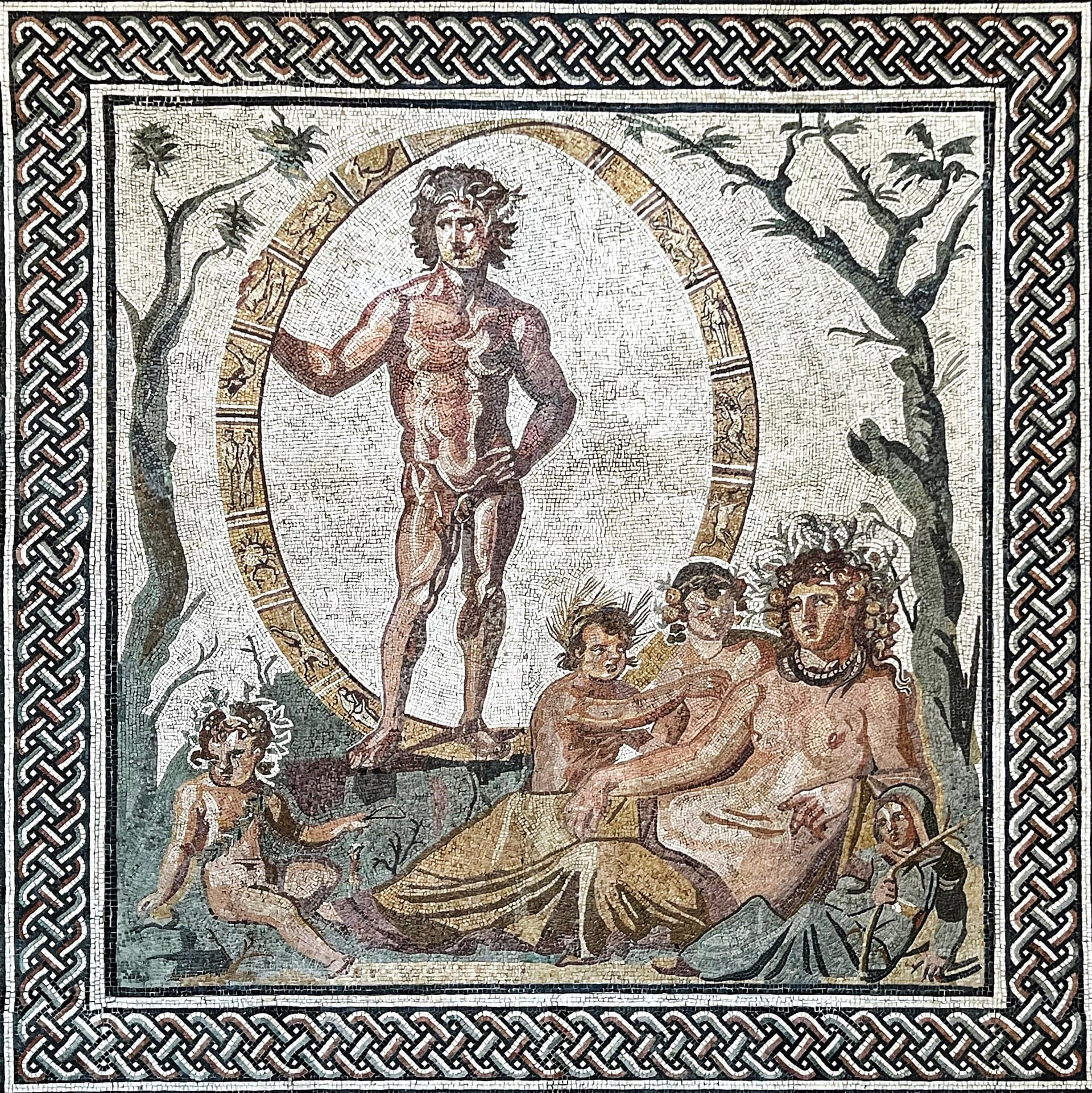
Roman floor mosaic, Sentinum
- 3
- epithets
- 3
- cult sites
- 18
- offspring
- 2
- unions
- 2
- recorded births
Vitals
- Kind
- Primordial
- Generation
- 0
- Domains
- the earth, the ground itself, oracles from below
- Accent
- Harvest — grain, the worked earth, the season
- Sacred symbols
- grain, the serpent, the cornucopia
- Principal cult sites
- Delphi, Olympia, Athens
What they were called
εὐρύστερνος
broad-breasted
Παμμήτωρ
mother of all
Χθονίη
of the ground
Lineage
See in the treeDescent
No parent recorded — Hesiod names them among the first things.
Hesiod places Gaia immediately after Chaos without deriving her from it.
Variant traditions
Hyginus, Fabulae preface
A Roman-era tidying that makes the whole world descend from a single origin.
Offspring in this roster
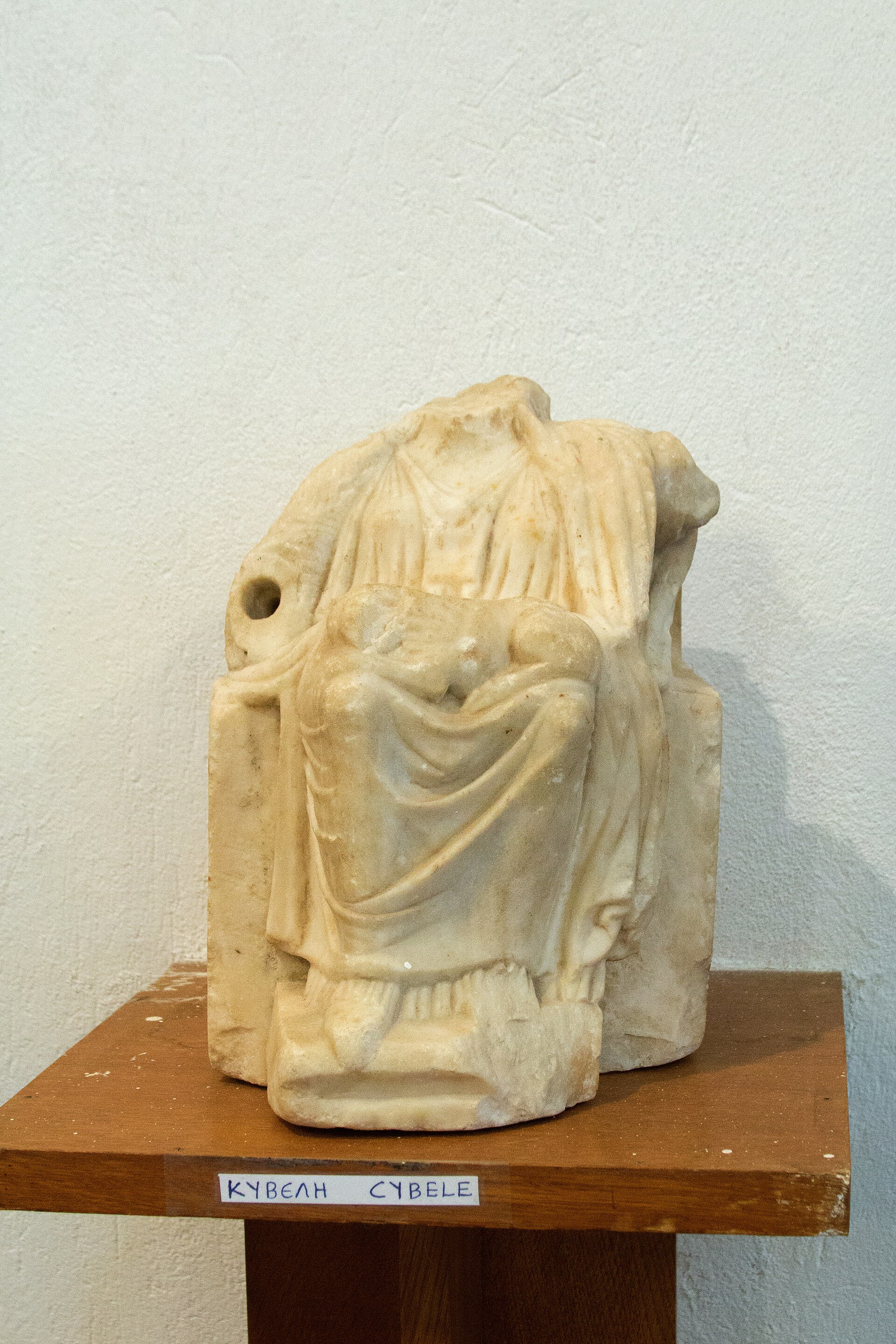
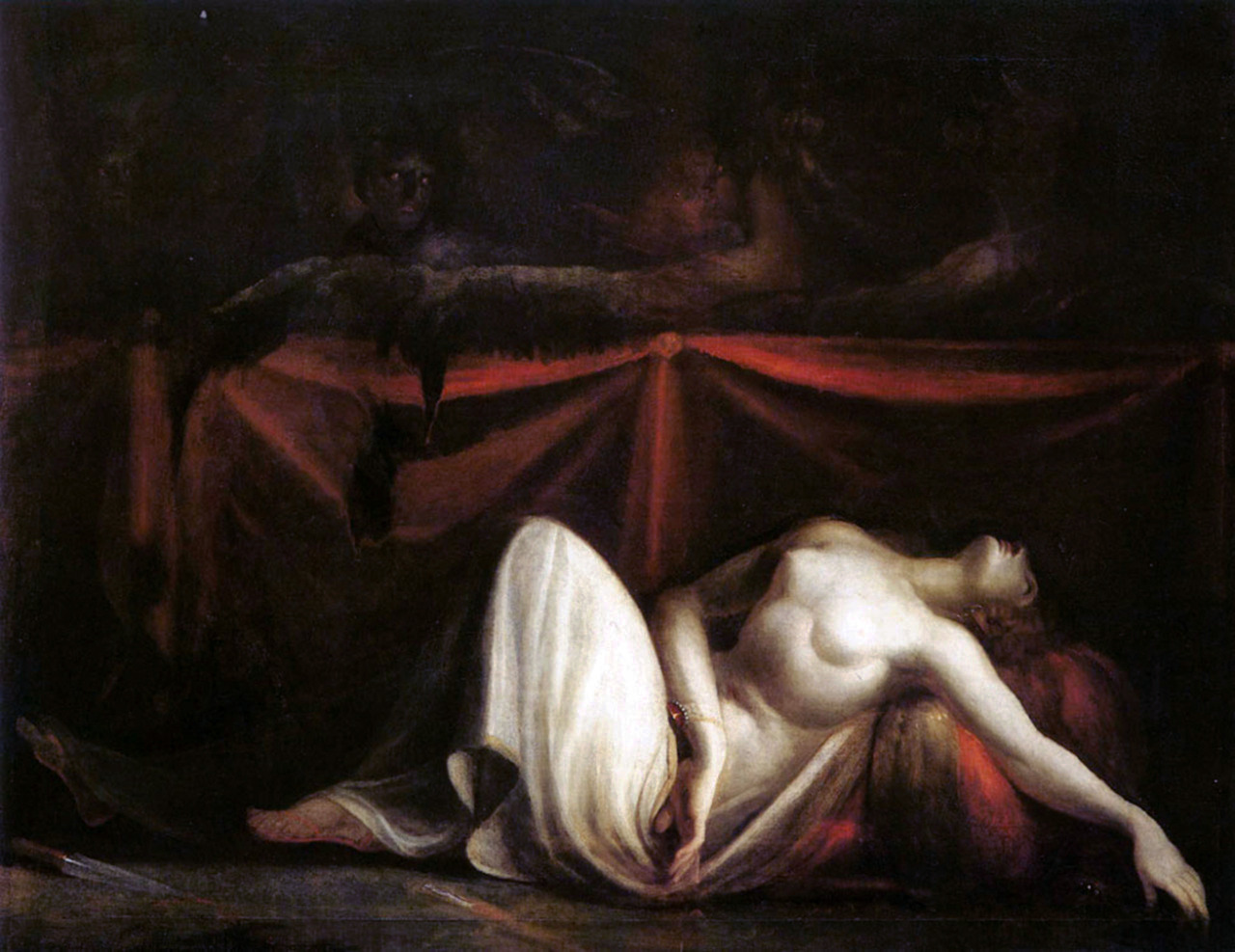
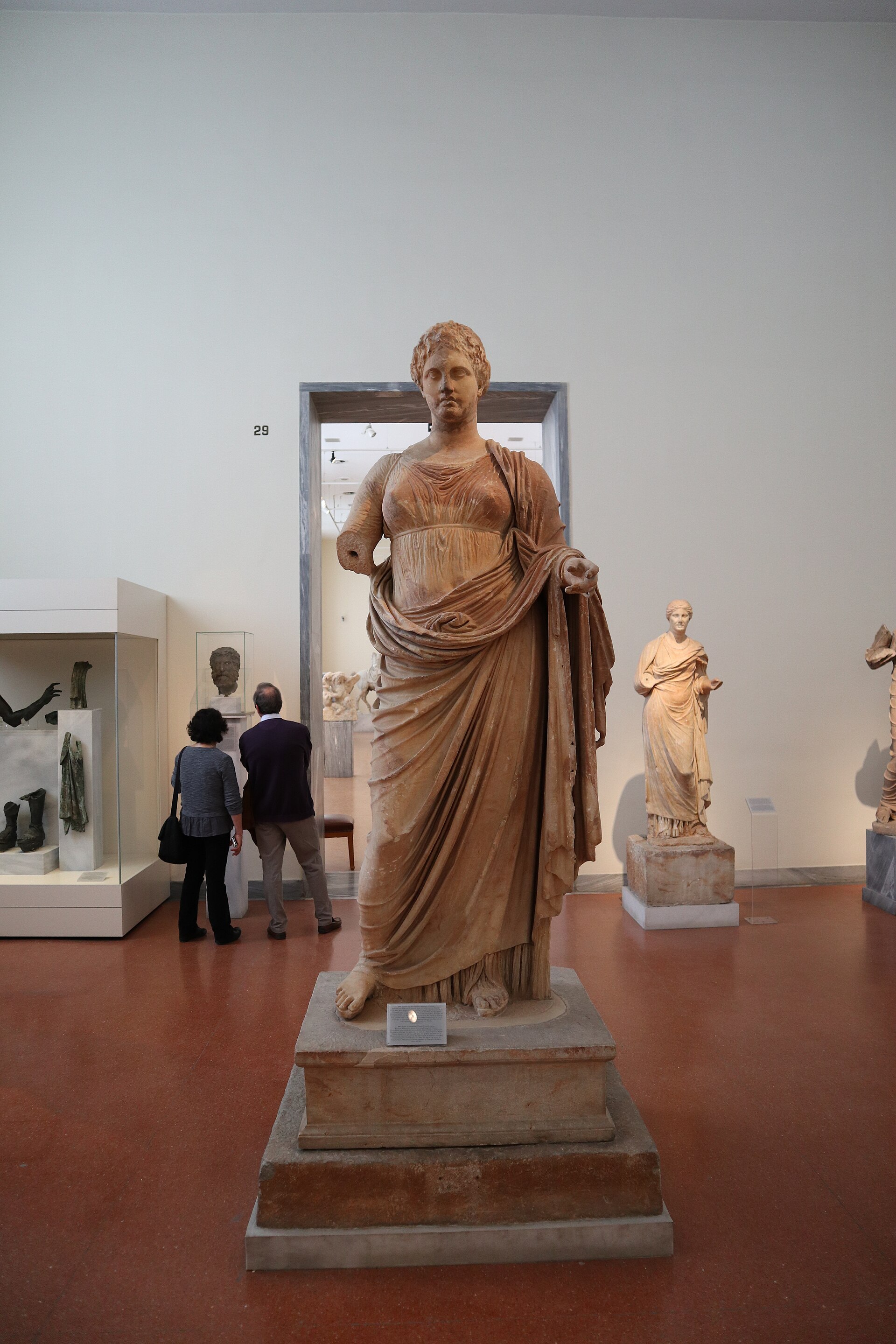
Notable myths
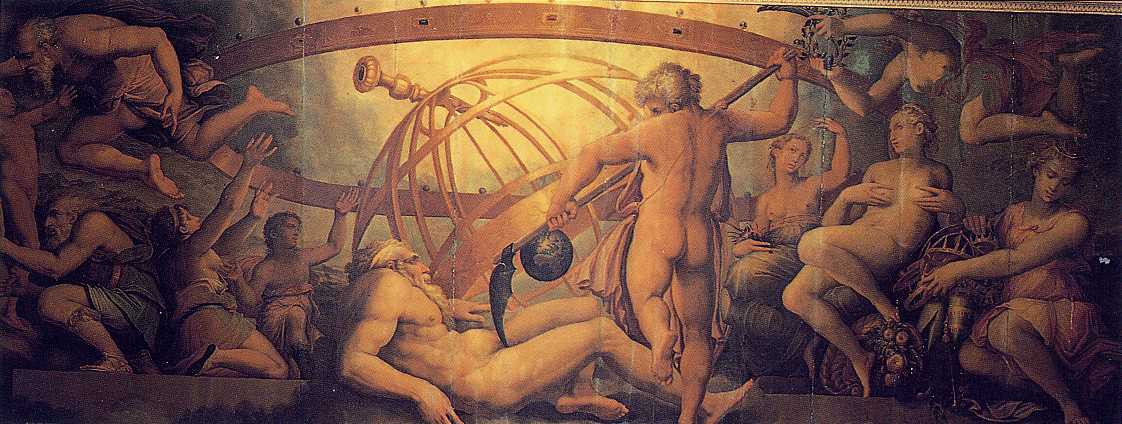
The Sickle of Grey Adamant
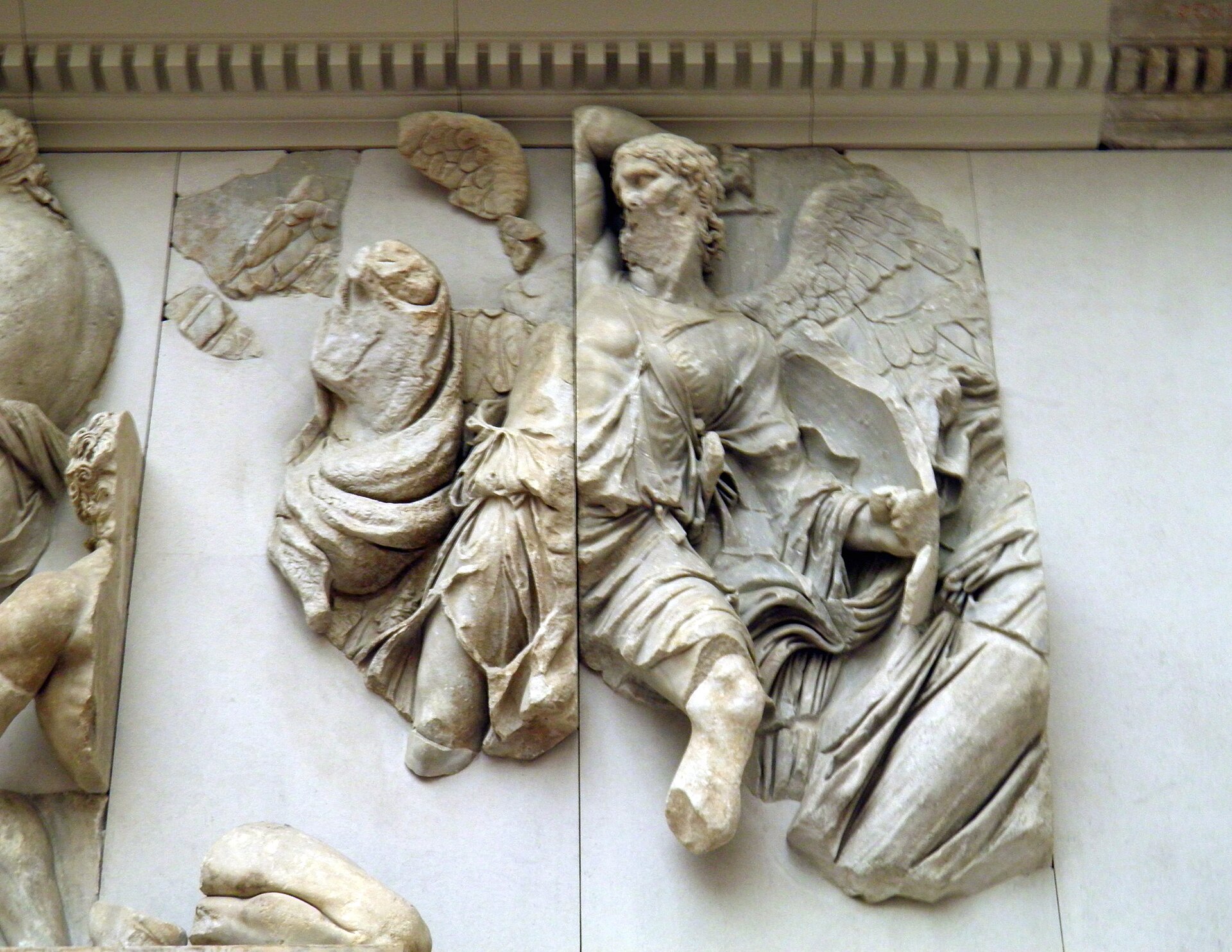
Ouranos hated his children and hid each one inside Gaia as it was born, so that the earth groaned with the pressure. Gaia made a jagged sickle and asked her sons to punish their father; only Kronos agreed. She hid him in ambush, and when Ouranos came down over the earth at nightfall Kronos reached out and cut. The severed parts fell into the sea, and where the blood fell on the earth Gaia bore the Erinyes and the Giants.
Hesiod, Theogony 154-187
Typhon
After the Olympians put down the Titans and the Giants, Gaia lay with Tartaros and bore Typhon, a creature with a hundred snake heads that spoke in every voice at once. Zeus met him with the thunderbolt and burned him down into the pit. Hesiod says the storm winds that wreck ships at sea are what is left of him.
Hesiod, Theogony 820-880
The account
Gaia is the earth, and in Hesiod she is also the engine of the whole succession. She produces Ouranos out of herself so there is something to cover her, then bears the Titans to him, then discovers that he is pushing every child back inside her as it is born. Her response is not lament. She makes a sickle of grey adamant, explains the situation to her sons, and asks which of them will act; only Kronos says he will. She hands him the blade. When Kronos in turn starts swallowing his own children, it is Gaia who helps Rhea hide the infant Zeus in Crete, and Gaia who later tells Zeus how to win the war. Then she turns on him too, raising the Giants and finally Typhon. She is not a nurturing background presence. She is the figure who keeps supplying the weapon to whoever is currently being crushed, and she outlasts every regime she helps install. Her oracle at Delphi is older than Apollo's.
Ancient sources
- Hesiod, Theogony 116-117
- Hyginus, Fabulae preface
- Hesiod, Theogony 154-187
- Hesiod, Theogony 820-880
Where a line reference is not given, the work is cited without one rather than guessed at.
Image credit
- Title
- Tellus im Jahreszeitenmosaik aus Sentinum
- Artist
- Burkhard Mücke
- Date
- Unknown
- Licence
- CC BY 4.0
