Sun
Theia
ΘείαRoman: Theia
The reason gold looks like something, and mother of the three lights.
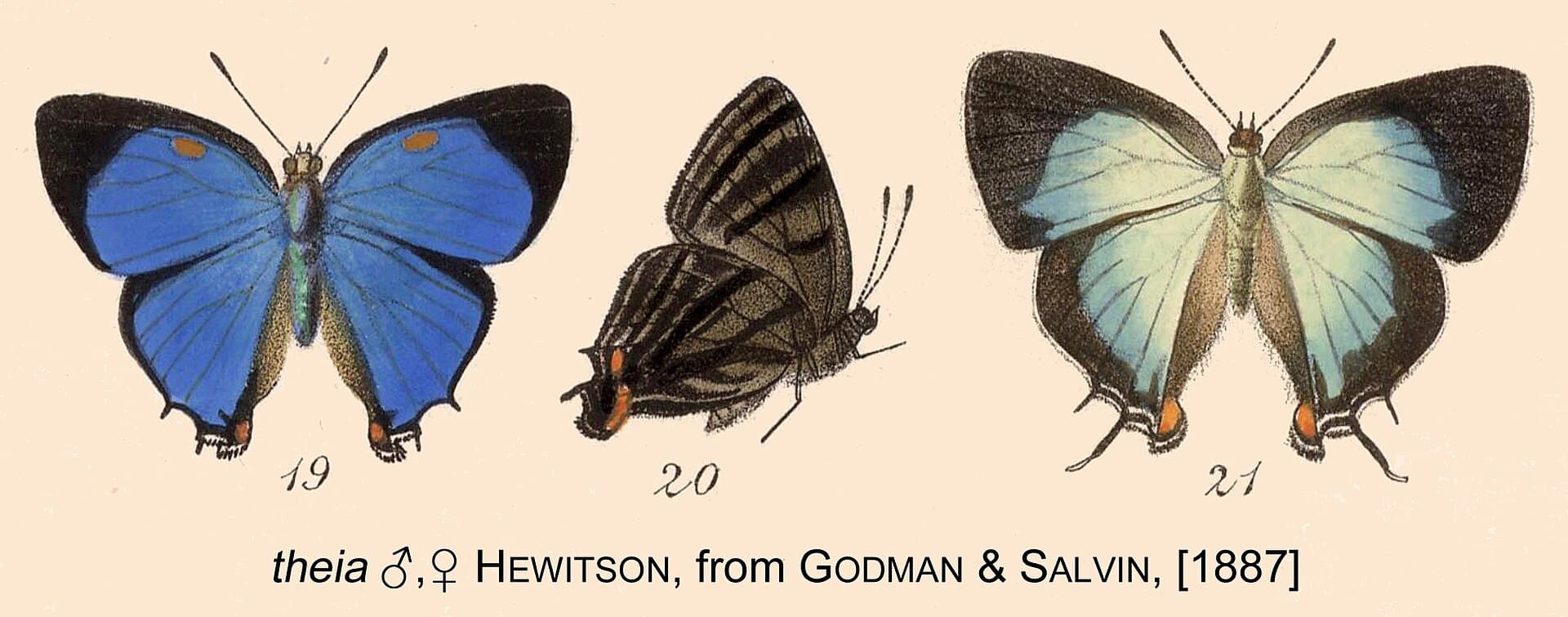
Book illustration, 1887
- 1
- epithet
- 0
- cult sites
- 3
- offspring
- 1
- union
- 1
- recorded birth
Vitals
- Kind
- Titan
- Generation
- 1
- Domains
- sight, the shine of gold and silver, brightness
- Accent
- Sun — daylight, the dawn, far-shooting brightness
- Sacred symbols
- the gleam on metal, the light in the eye
- Principal cult sites
- No cult attested
What they were called
Εὐρυφάεσσα
wide-shining
Lineage
See in the tree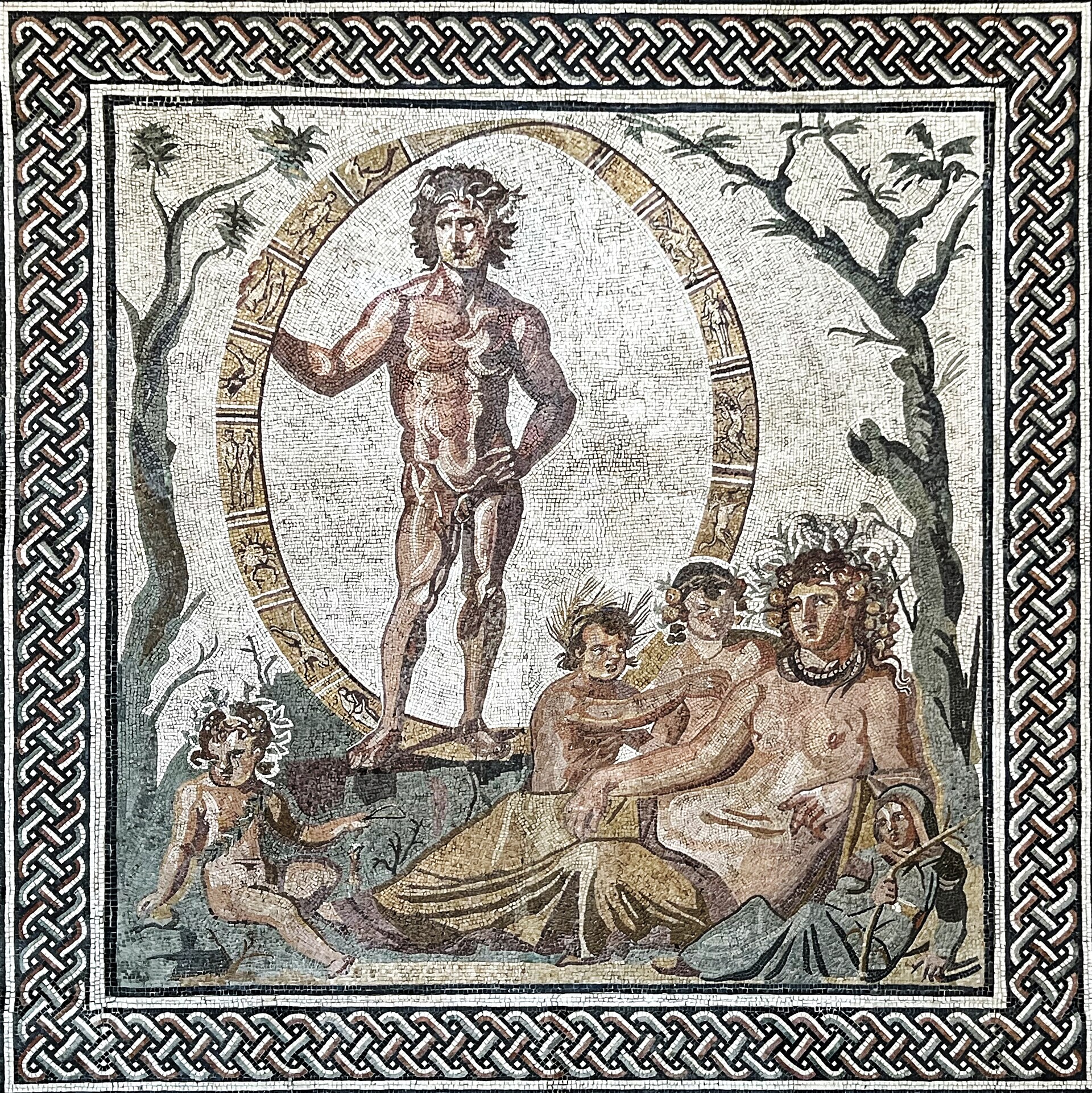
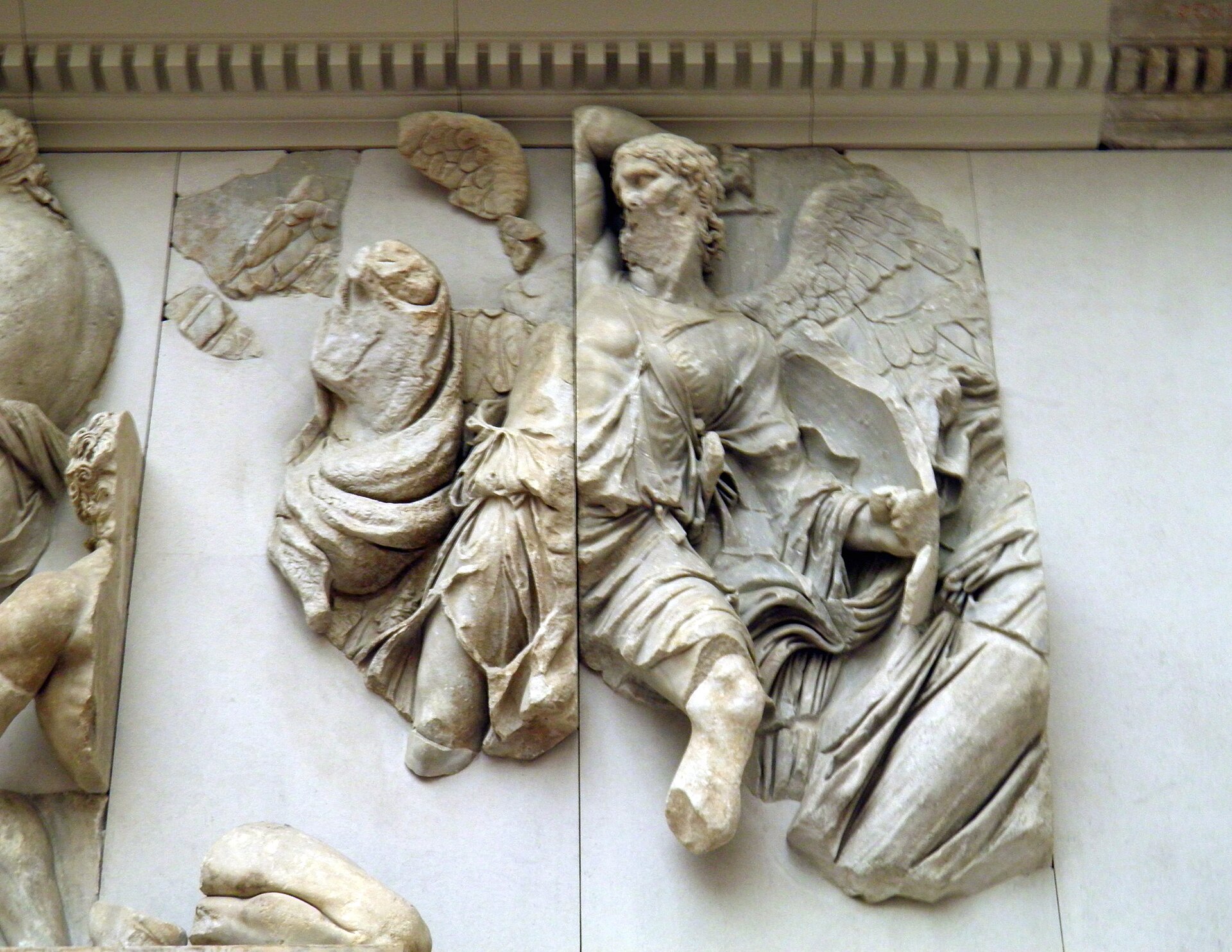
Offspring in this roster
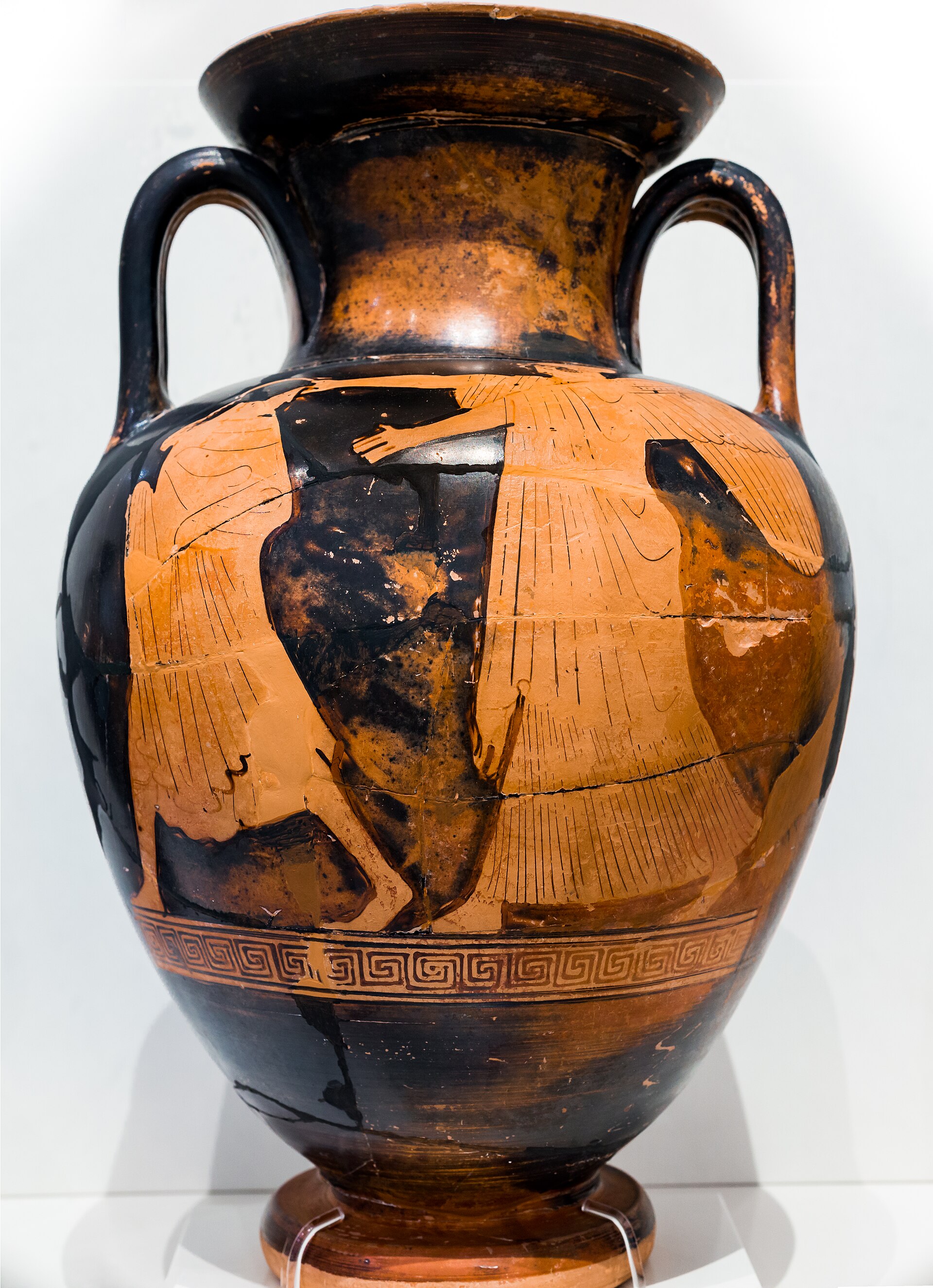
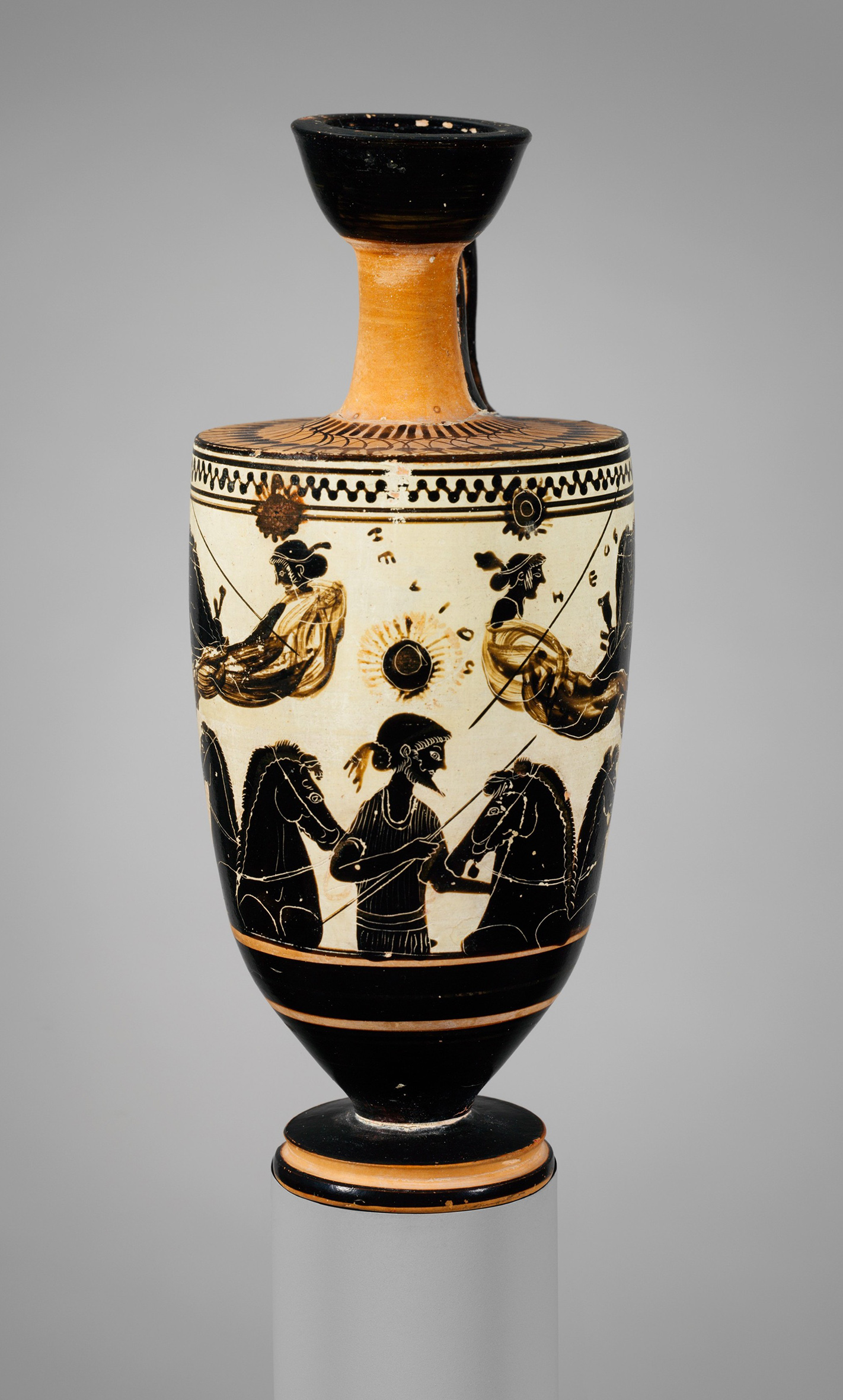
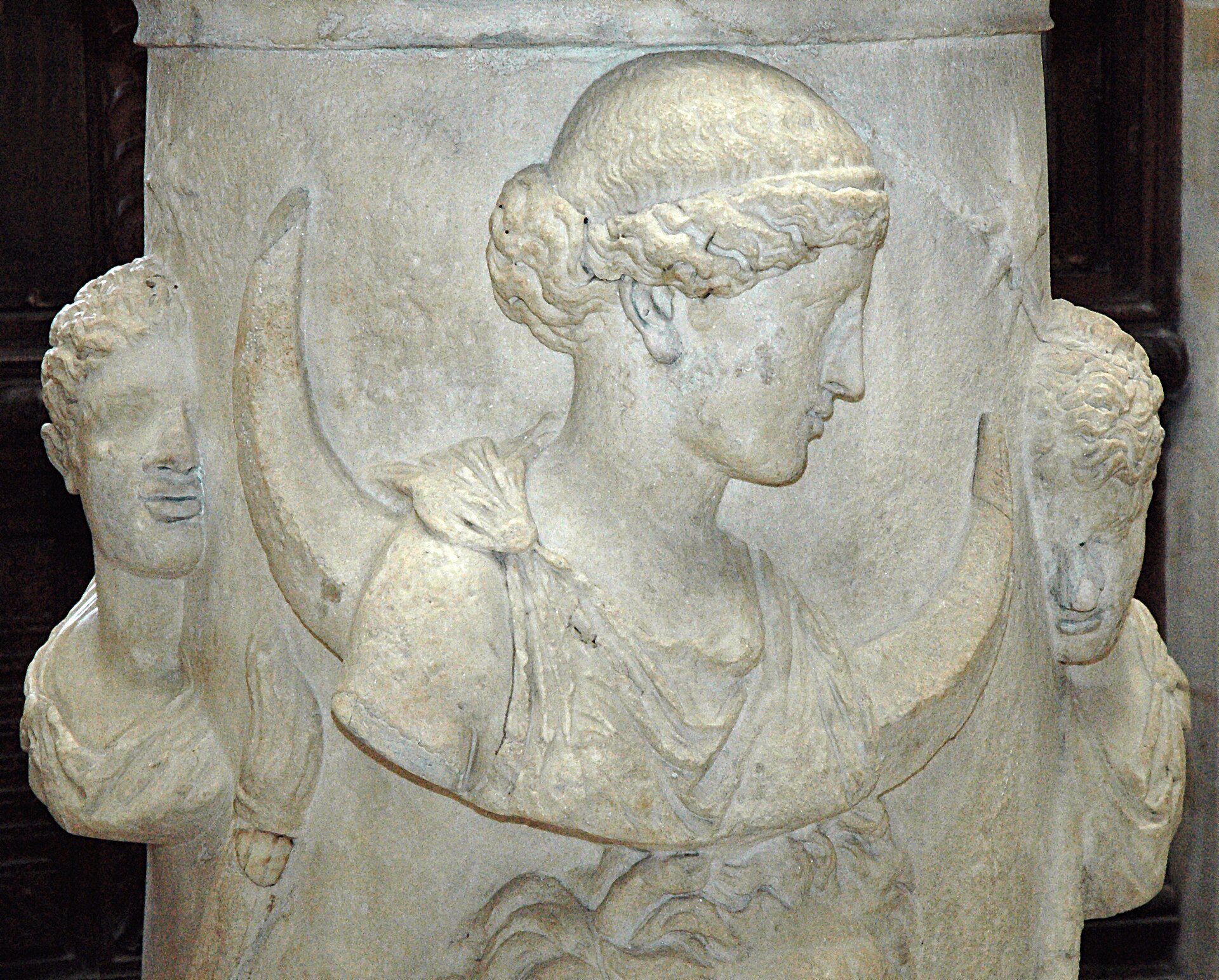
Notable myths
Why Gold Is Worth Anything
Pindar opens an ode by naming Theia mother of the sun and crediting her with the fact that men prize gold above all other possessions. His claim is that value is a function of appearance, and that appearance is her department. It is a Titan given a philosophical brief rather than a story.
Pindar, Isthmian Odes 5.1-10
The account
Theia bore Helios, Selene and Eos to her brother Hyperion, and that is the whole of her narrative role. What she has instead is an unusually clear theory attached to her. Pindar addresses her directly in a victory ode as the mother of the sun and says that it is because of her that men value gold above everything, and that it is through her honour that ships and chariots contend and win admiration — she is the goddess who makes things appear splendid, the power that gives brightness its worth. It is one of the few places in Greek literature where a Titan is given a genuine argument rather than a genealogy. The Homeric Hymn to Helios calls her Euryphaessa, wide-shining, and gives her the same union. She has no myths of conflict and no cult sites we can name.
Ancient sources
- Hesiod, Theogony 132-138
- Pindar, Isthmian Odes 5.1-10
Where a line reference is not given, the work is cited without one rather than guessed at.
Image credit
- Title
- Theia in GodSalv1887
- Artist
- Frederick DuCane Godman Osbert Salvin
- Date
- Unknown
- Licence
- Public domain
