Fate
Iapetos
ἸαπετόςRoman: Iapetus
Father of the four Titans who each got a different punishment.
- 1
- epithet
- 0
- cult sites
- 2
- offspring
- 0
- unions
- 1
- recorded birth
Vitals
- Kind
- Titan
- Generation
- 1
- Domains
- mortality, the ancestry of humankind
- Accent
- Fate — allotment, law, retribution, prophecy
- Sacred symbols
- the spear, the shattered chain
- Principal cult sites
- No cult attested
What they were called
Ἰαπετιονίδης
used of his sons, the Iapetionids
Lineage
See in the tree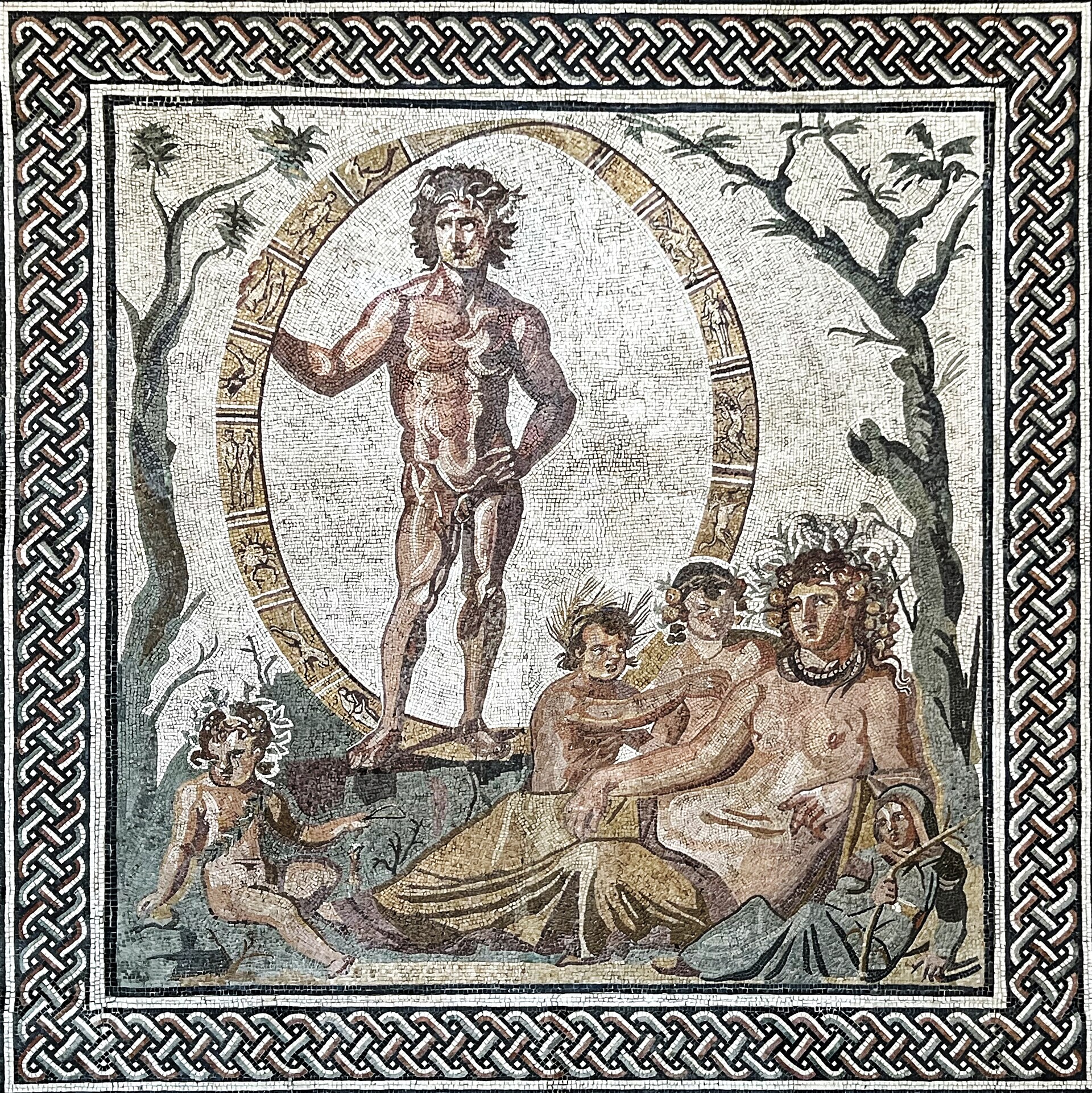
Offspring in this roster
Notable myths
Four Sons, Four Sentences
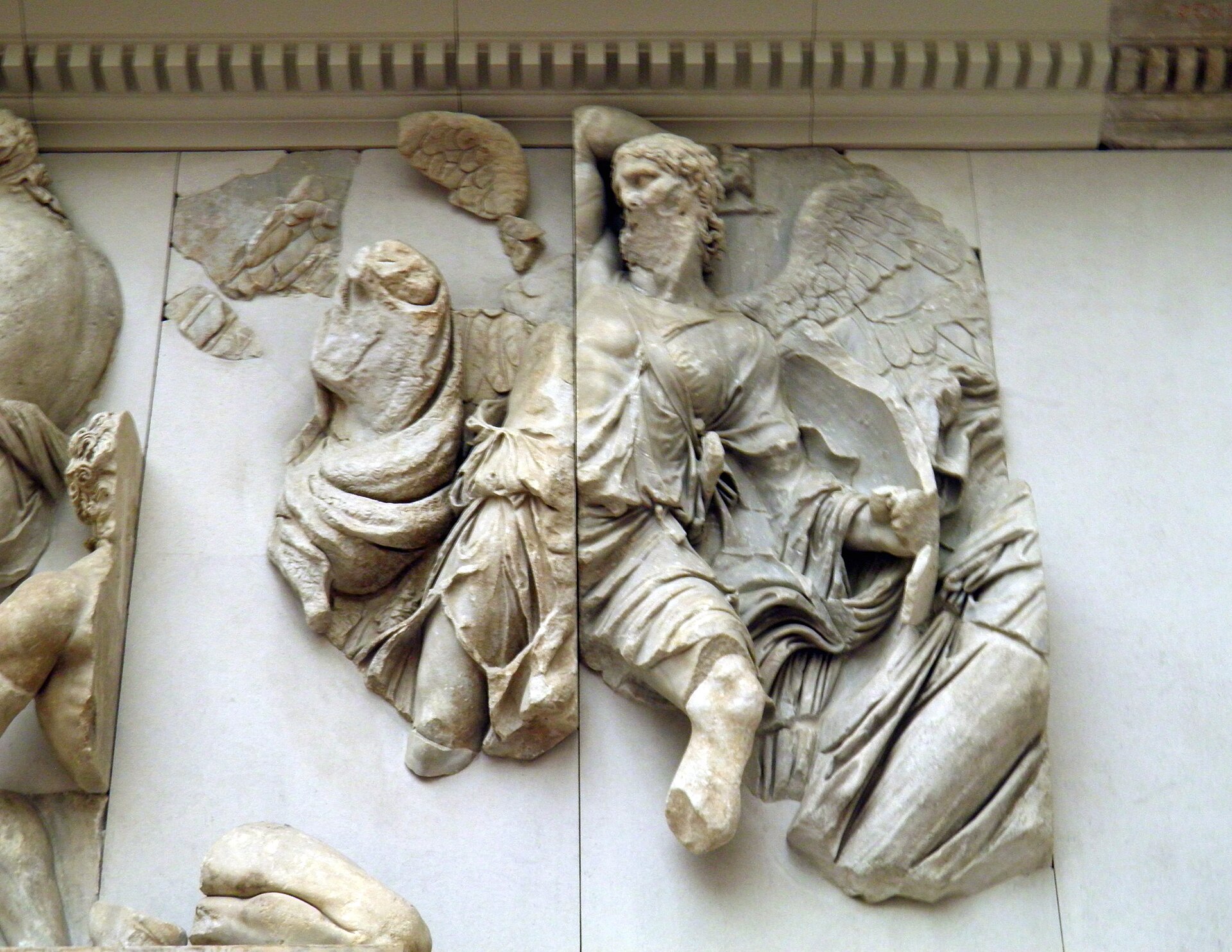
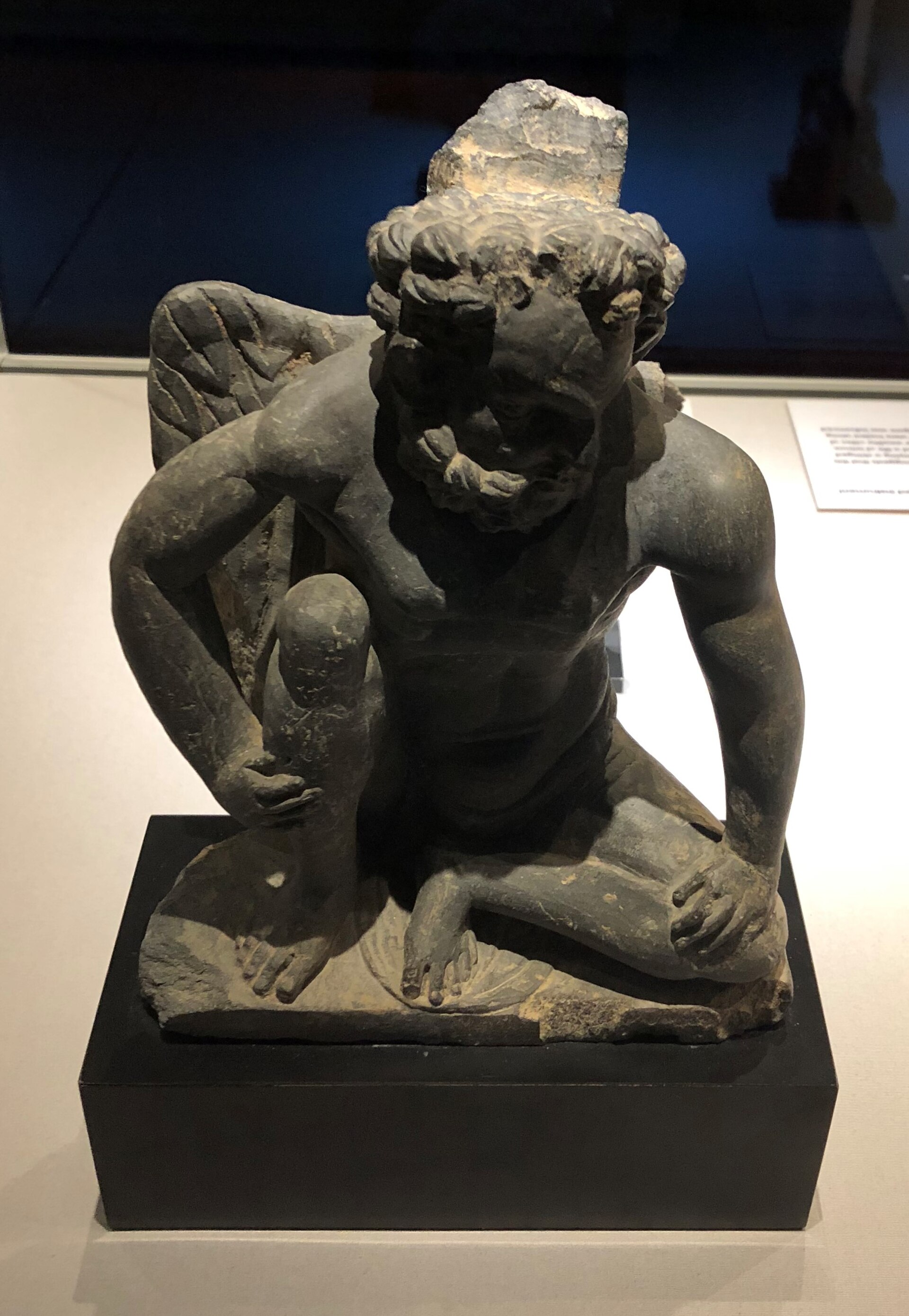
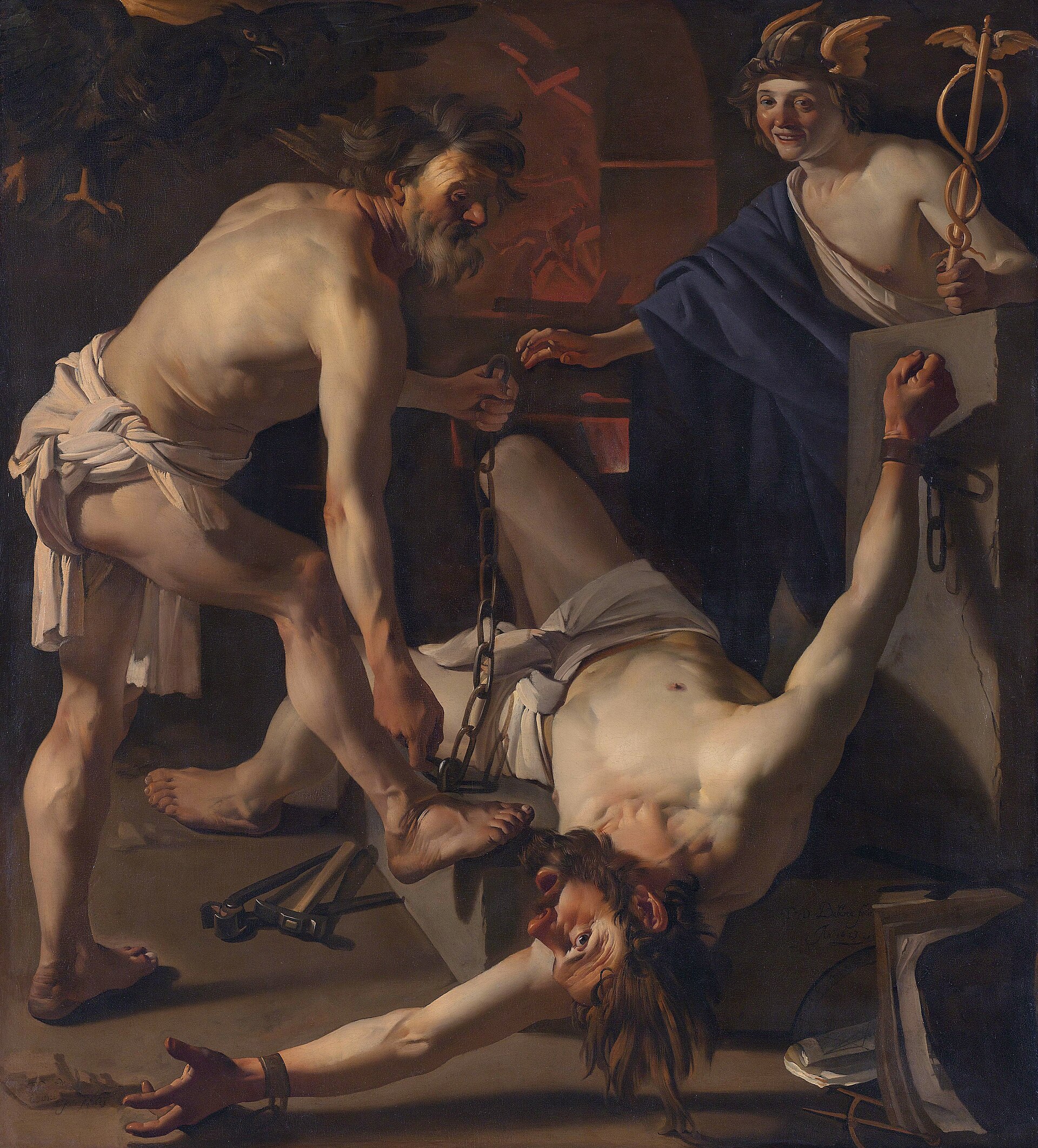
Hesiod runs through Iapetos's sons as a set. Atlas stands at the western edge holding the wide sky on his head and hands. Menoitios, over-bold, is blasted with the thunderbolt into the dark. Prometheus is bound to a pillar with an eagle eating his liver. Epimetheus, the slow-thinking one, accepts the woman the gods send and brings evil to men who eat bread. The passage is a catalogue of the ways defiance can be punished.
Hesiod, Theogony 507-616
The account
Iapetos does nothing himself and produces the four figures in whom the Titan generation's defeat is worked out in detail. By the Okeanid Klymene he fathers Atlas, Menoitios, Prometheus and Epimetheus, and Hesiod deals with each in turn: Atlas holds up the sky at the edge of the world, Menoitios is struck by the thunderbolt for his violence and sent to Erebos, Prometheus is chained with the eagle at his liver, and Epimetheus takes Pandora into his house and ruins things for everyone. Four sons, four different ways of being on the losing side. Because Prometheus makes and defends humankind, Iapetos ends up positioned in later thought as an ancestor of mortals, and Greek writers occasionally use his name that way. He goes to Tartaros with his brothers after the war. The interest of the entry is entirely in what comes out of it.
Ancient sources
- Hesiod, Theogony 132-138
- Hesiod, Theogony 507-616
Where a line reference is not given, the work is cited without one rather than guessed at.
Image credit
No classical portrait of this figure survives, so the mark on this page is generated from their Greek initial and their domain accent rather than taken from an artwork.