Sky
Atlas
ἌτλαςRoman: Atlas
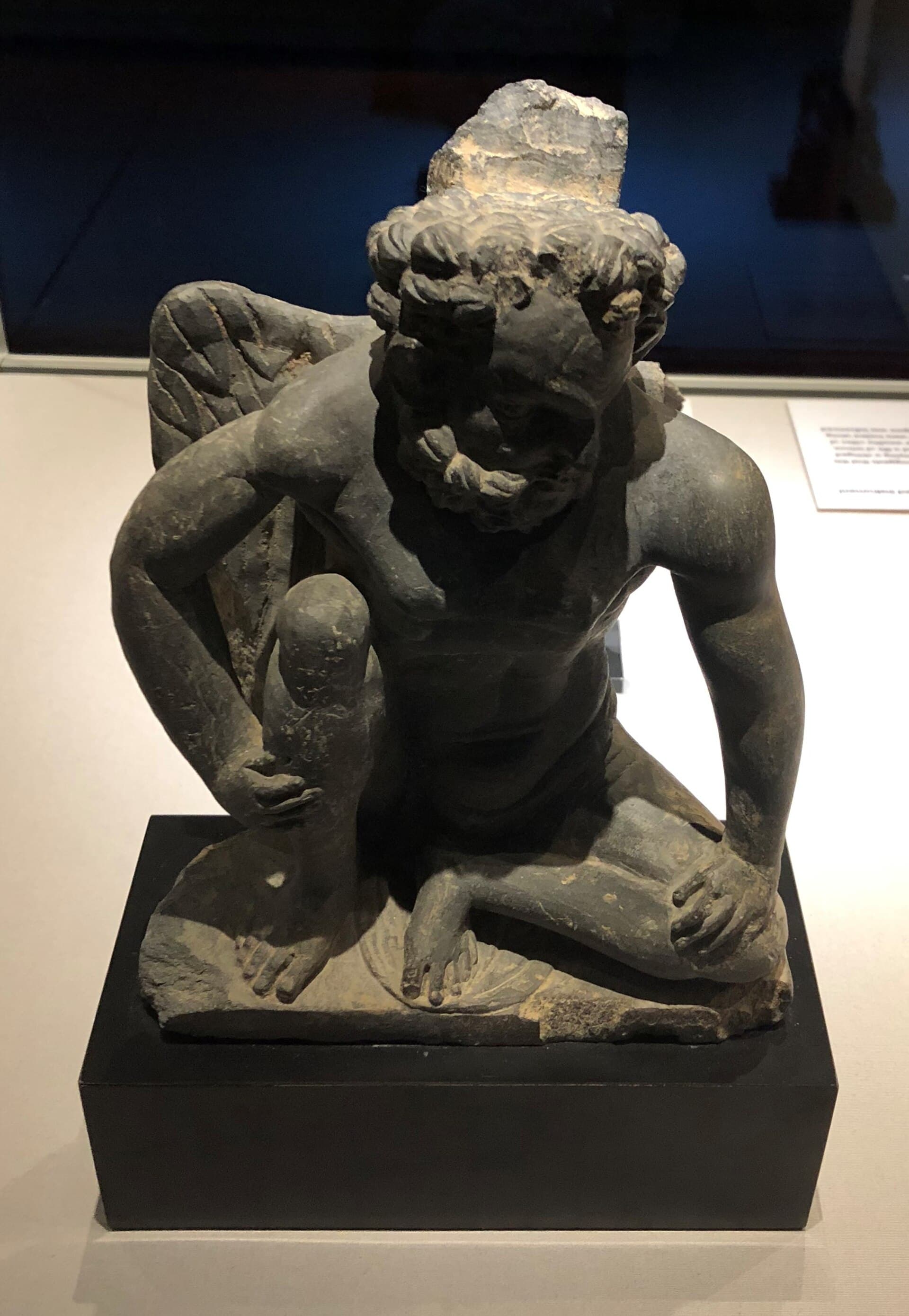
Holds the sky apart from the earth, standing at the western edge, forever.
Schist relief, Gandhara — 3rd century CE
- 2
- epithets
- 0
- cult sites
- 1
- offspring
- 0
- unions
- 1
- recorded birth
Vitals
- Kind
- Titan
- Generation
- 2
- Domains
- endurance, the western edge, the pillars that hold sky from earth
- Accent
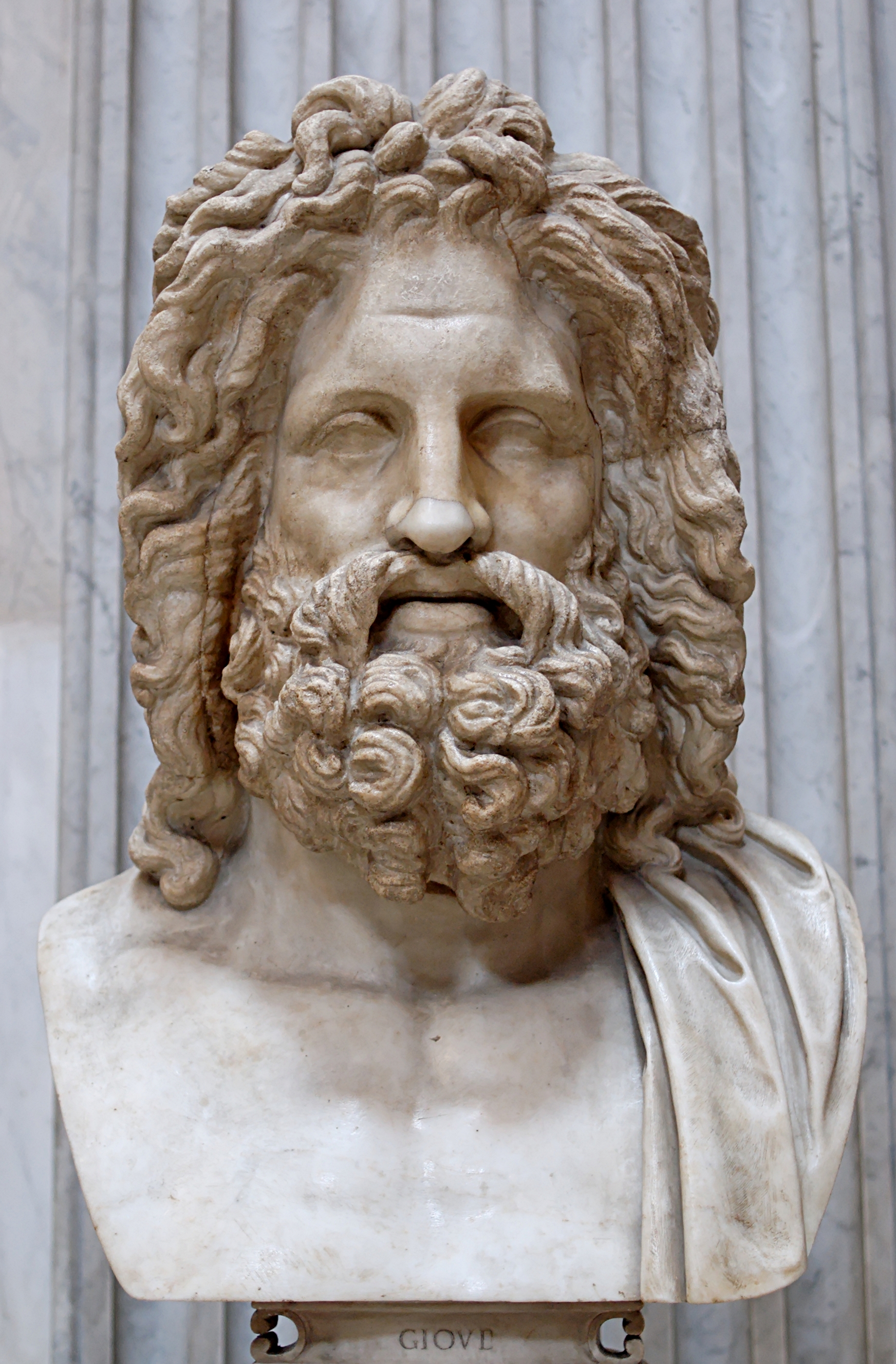
- Sky — the open air, weather, the thunderbolt
- Sacred symbols
- the celestial sphere, the pillar
- Principal cult sites
- No cult attested
What they were called
κρατερόφρων
strong-minded
Ἄτλας
the very enduring one
Lineage
See in the treeDescent
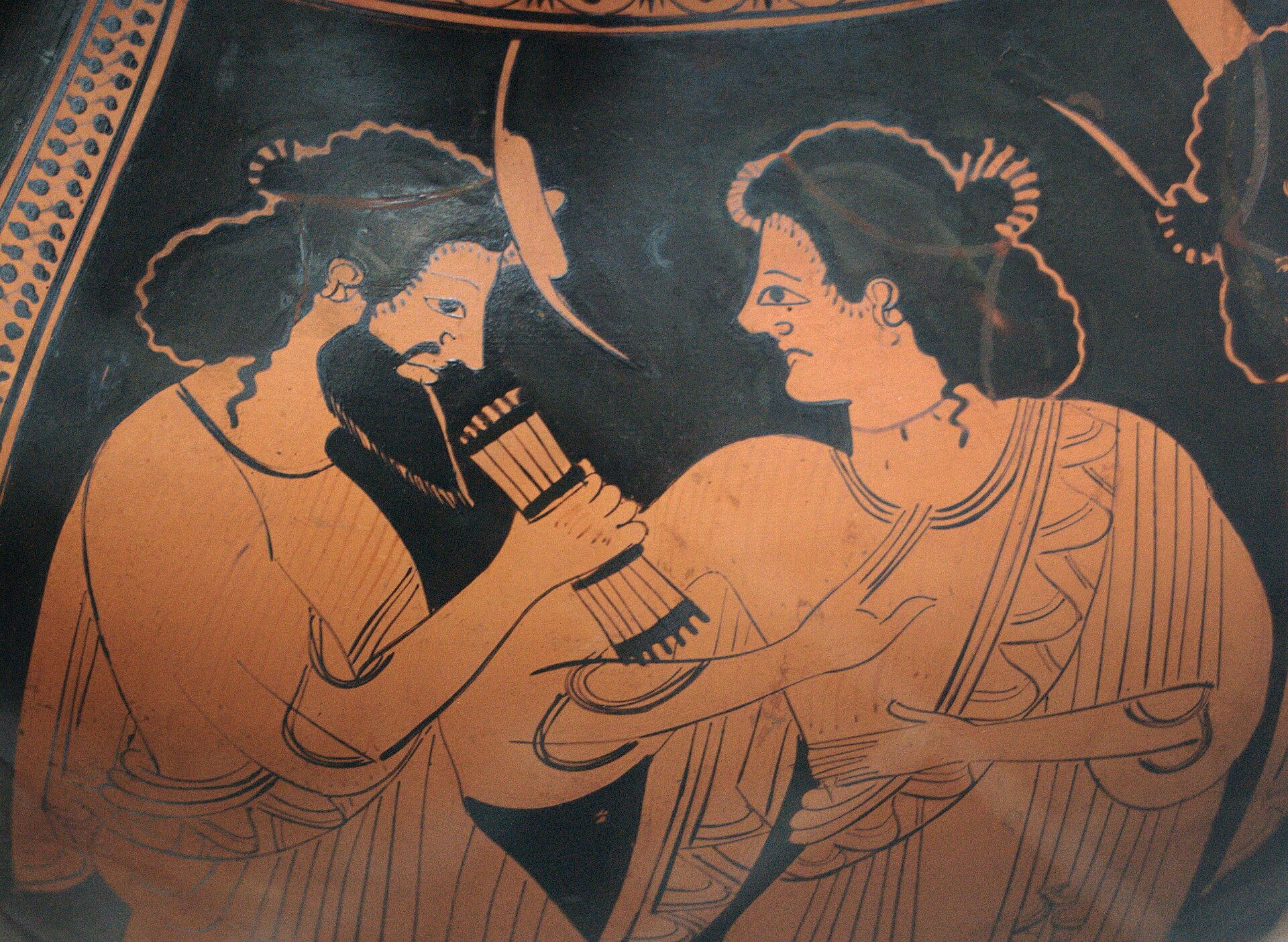
Mother: the Okeanid Klymene (Hesiod), outside the v1 roster.
Offspring in this roster
Notable myths
The Weight and the Apples
Herakles needed the apples of the Hesperides, which Atlas's daughters guarded. He offered to hold the sky while Atlas fetched them. Atlas returned, felt how good it was to stand upright, and offered to carry the apples the rest of the way himself. Herakles agreed, then asked him to hold the sky for a moment while he adjusted a pad for his shoulders, picked up the apples and left.
Apollodorus, Bibliotheca 2.5.11
The account
Atlas stands at the limits of the earth, in front of the Hesperides, and holds up the wide sky with his head and his tireless hands. Hesiod says Zeus assigned him this by strong necessity, and does not elaborate. The punishment is precise: he is not imprisoned, he is load-bearing. If he puts it down the sky comes back onto the earth and the world stops having a space in it. Later writers give him a brief release. Herakles, sent for the golden apples, offers to take the weight while Atlas fetches them; Atlas comes back and proposes to deliver the apples himself and leave Herakles holding it, and Herakles asks him to take it back for a moment so he can pad his shoulders, then walks off. Ovid supplies a different ending in which Perseus shows him the Gorgon's head and turns him into the mountain range that carries his name. In art he is almost always shown mid-effort, which is the whole of the characterisation.
Ancient sources
- Hesiod, Theogony 507-509
- Apollodorus, Bibliotheca 2.5.11
Where a line reference is not given, the work is cited without one rather than guessed at.
Image credit
- Title
- Pakistan Gandhara - 3rd C - Greek god Atlas - schist IMG 9617 Museum of Asian Civilisation
- Artist
- Bjoertvedt
- Date
- Unknown
- Licence
- CC BY-SA 4.0
