Night
Chaos
Χάος
The gap that came first, before there was anywhere to be.
- 1
- epithet
- 0
- cult sites
- 3
- offspring
- 0
- unions
- 1
- recorded birth
Vitals
- Kind
- Primordial
- Generation
- 0
- Domains
- the first gap, unshaped space
- Accent
- Night — darkness, the moon, sleep, the crossroads
- Sacred symbols
- the void, the unlit gap
- Principal cult sites
- No cult attested
What they were called
Χάος
the gap, the yawning
Lineage
See in the treeDescent
No parent recorded — Hesiod names them among the first things.
Hesiod names Chaos first and gives it no origin at all.
Offspring in this roster
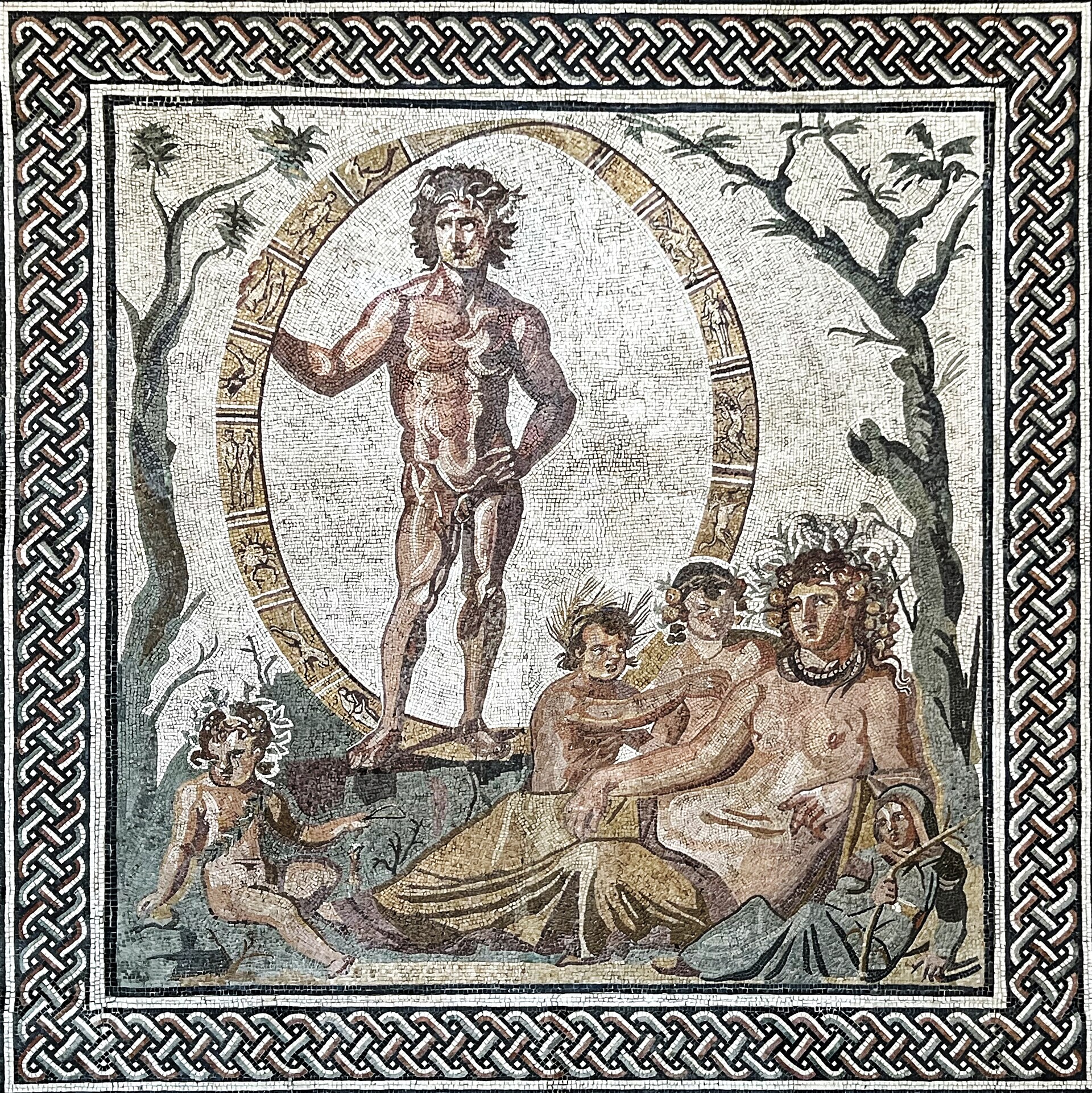
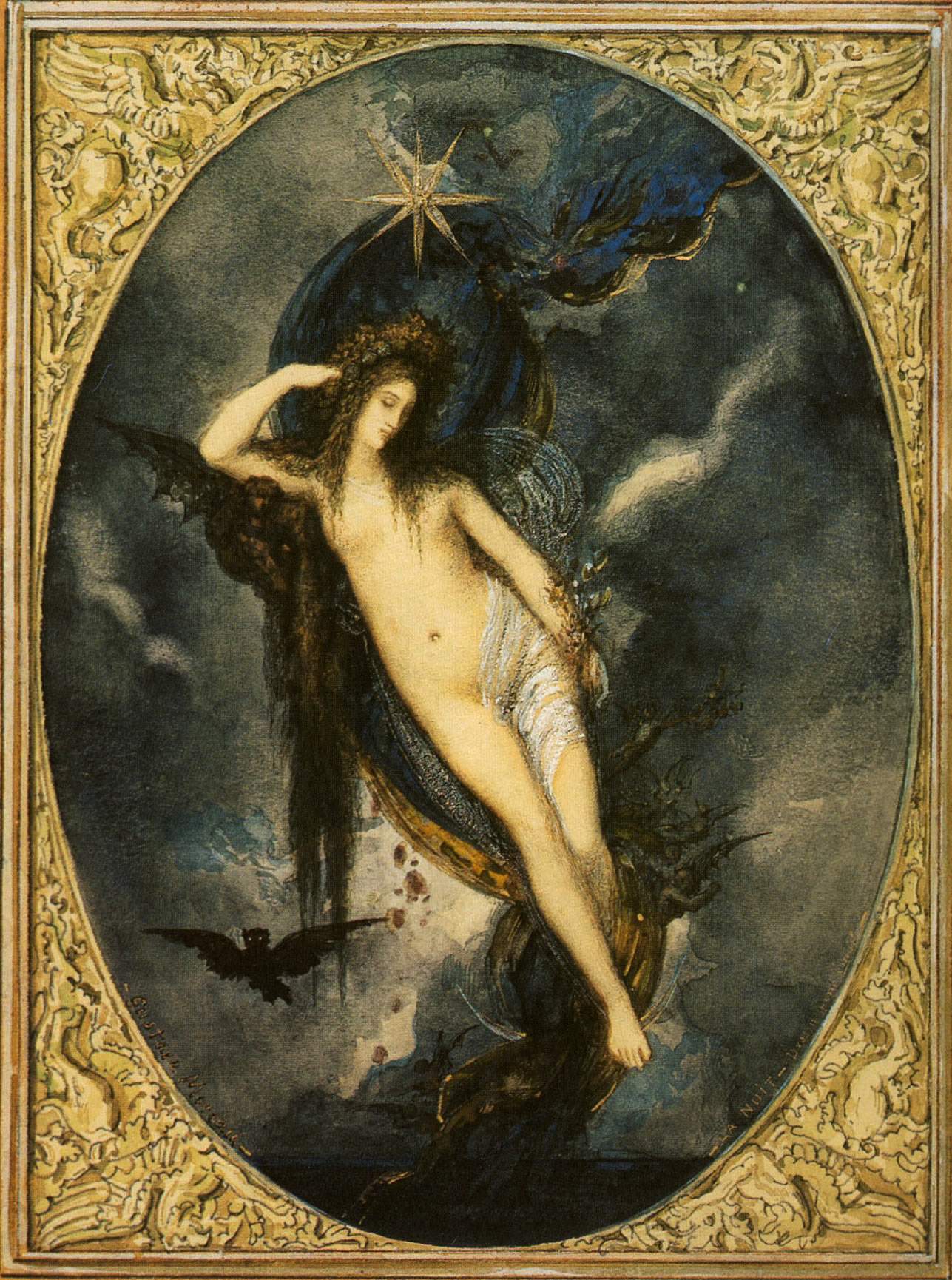
Ties
No ties recorded.
Notable myths
The First Things
Hesiod's account opens with Chaos, then broad-breasted Gaia, then Tartaros in the depths, then Eros. Out of Chaos came Erebos and black Nyx, and from Nyx's union with Erebos came Aither and Hemera, the bright upper air and the day. The order is a sequence, not a family tree: Hesiod is careful to say what came after what, and much less careful to say what came out of what.
Hesiod, Theogony 116-125
The account
Chaos is not disorder. The Greek word means a gap or a yawning, and Hesiod uses it for the condition before there was any arrangement of things at all — no ground, no sky, no distance between them. He gives it no parent and no story, only priority: Chaos came into being first. From it came Erebos and black Nyx, and from those two the upper air and the day. Later writers were less comfortable with an origin that simply appears, and Roman-era mythographers made Chaos a parent of Gaia and the rest, tidying the account into a single descent. Hesiod does not do this. In his poem Gaia arrives after Chaos but not out of it, and the difference matters: the oldest Greek account of the world begins with two things that do not explain each other. Chaos has no cult, no temple, and no image. It is the one figure in this genealogy that is defined entirely by what has not happened yet.
Ancient sources
- Hesiod, Theogony 116
- Hesiod, Theogony 116-125
Where a line reference is not given, the work is cited without one rather than guessed at.
Image credit
No classical portrait of this figure survives, so the mark on this page is generated from their Greek initial and their domain accent rather than taken from an artwork.