Fate
Themis
ΘέμιςRoman: Justitia
Divine law, seated beside Zeus and older than his throne.
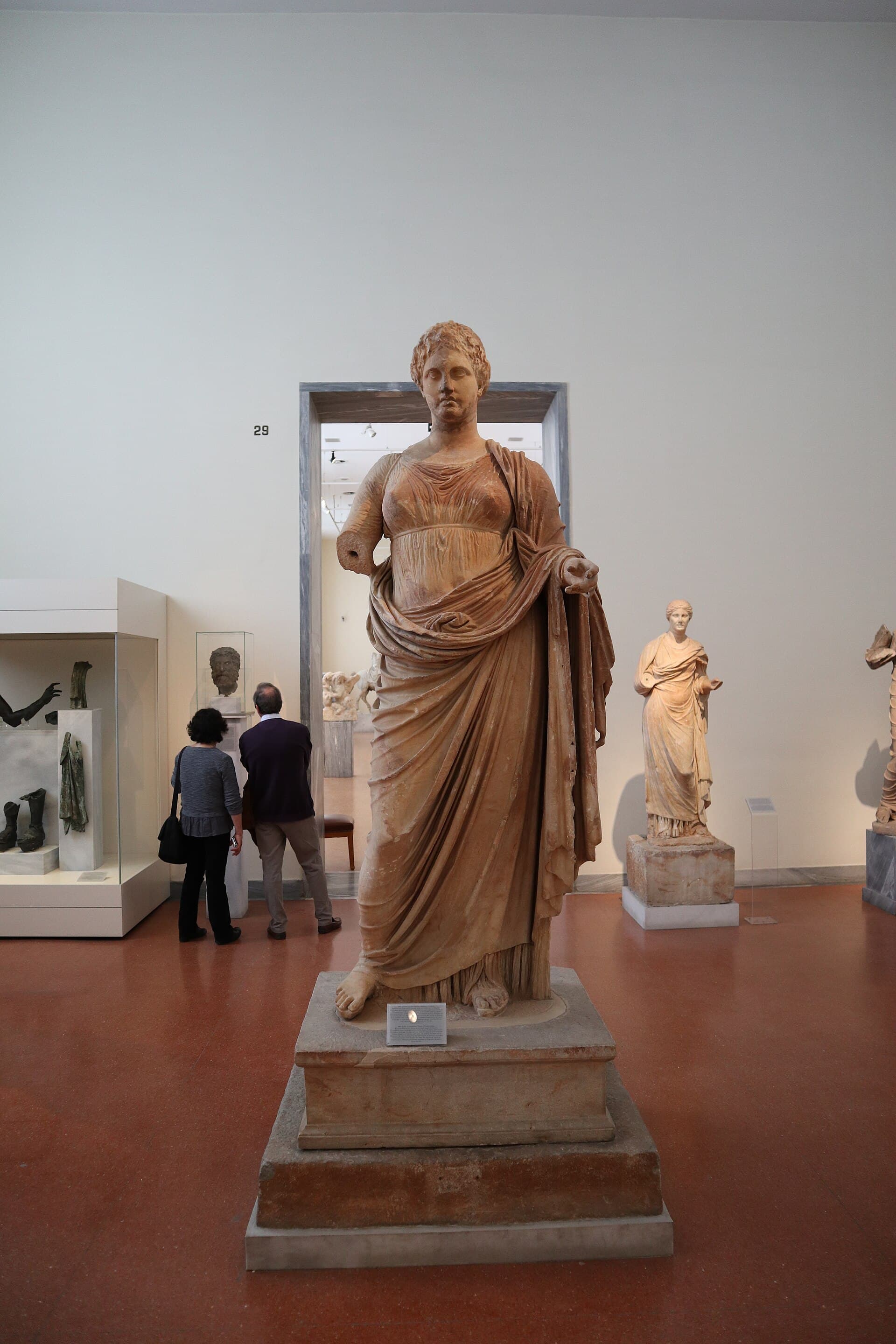
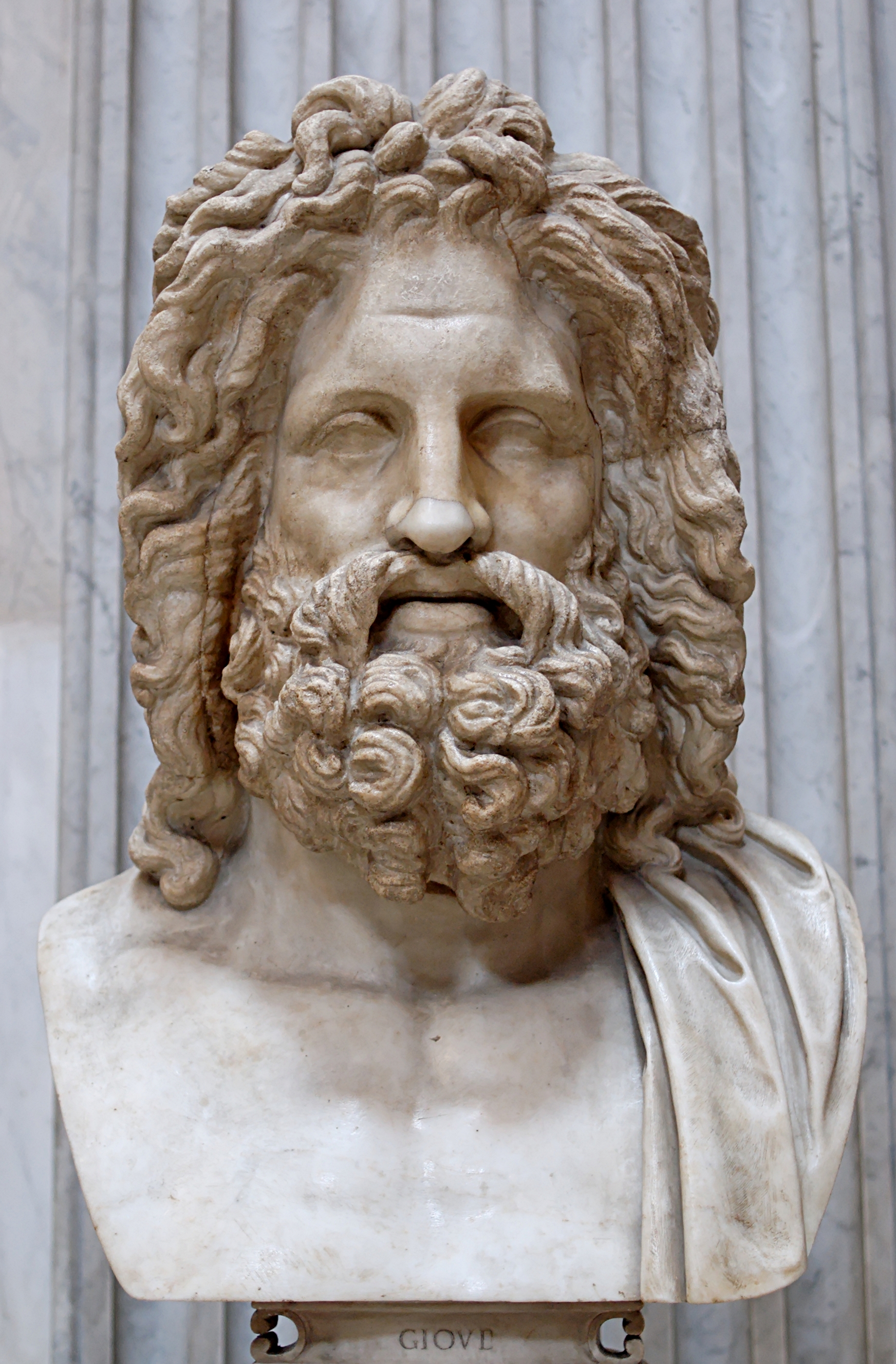
Marble statue, Rhamnous — c. 300 BCE
- 2
- epithets
- 3
- cult sites
- 1
- offspring
- 1
- union
- 1
- recorded birth
Vitals
- Kind
- Titan
- Generation
- 1
- Domains
- divine law, what is established, prophecy, the right order of assembly
- Accent
- Fate — allotment, law, retribution, prophecy
- Sacred symbols
- the scales, the tripod
- Principal cult sites
- Delphi, Olympia, Rhamnous
What they were called
εὔβουλος
of good counsel
Θέμις
that which is laid down
Lineage
See in the tree
Offspring in this roster
Notable myths
The Secret That Saved Prometheus
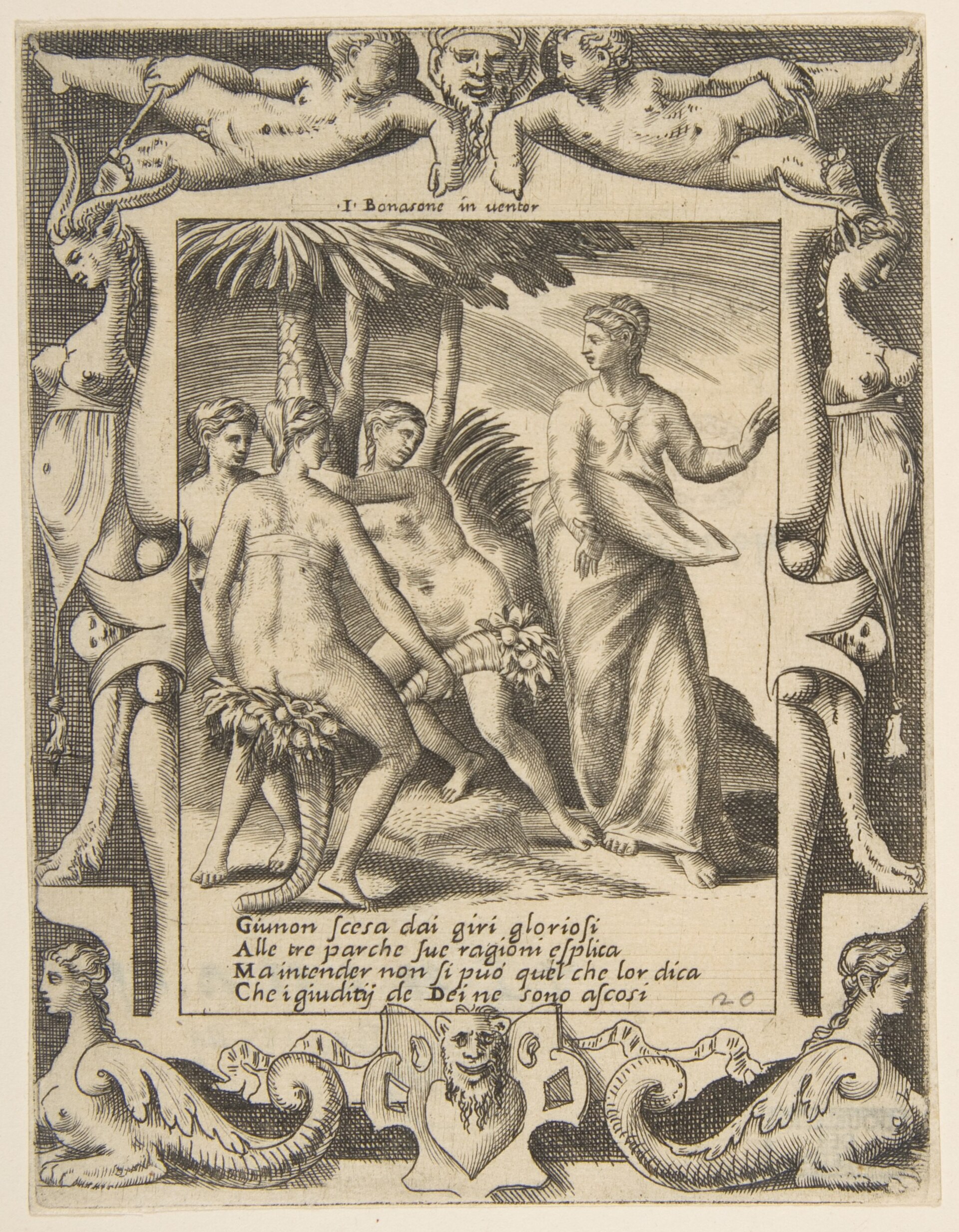
Themis told her son Prometheus what she alone knew: that if Zeus lay with the sea-nymph Thetis, she would bear a son stronger than his father. Prometheus, chained and tortured, refused to say it until Zeus released him. Zeus married Thetis to a mortal instead, and the child was Achilles — stronger than Peleus, which was safe.
Aeschylus, Prometheus Bound 209-218
The account
Themis is the Titan who survives the change of regime by being necessary to it. Her name means what is laid down — established custom, the way things are properly done — and Hesiod makes her Zeus's second wife, bearing him the Horai (Order, Justice and Peace) and, in his account at the end of the poem, the Moirai. She holds the Delphic oracle in the sequence between Gaia and Phoibe. In Aeschylus she is identified with Gaia and she is the one who tells Prometheus the secret that keeps him alive: that a certain marriage will produce a son greater than his father. Homer has her calling the gods to assembly and handing the cup round, which is the domestic version of the same office — she is what makes a gathering a lawful one. She is a Titan the Olympians did not have to defeat, because there is no version of a working order that does not include her.
Ancient sources
- Hesiod, Theogony 132-138
- Aeschylus, Prometheus Bound 209-218
Where a line reference is not given, the work is cited without one rather than guessed at.
Image credit
- Title
- Statue of the goddess Themis from Rhamnous. About 300 B.C
- Artist
- George E. Koronaios
- Date
- Unknown
- Licence
- CC BY-SA 4.0
