Wild
Pan
ΠάνRoman: Faunus
Goat-legged, loud, and the reason an army can break for no reason at all.
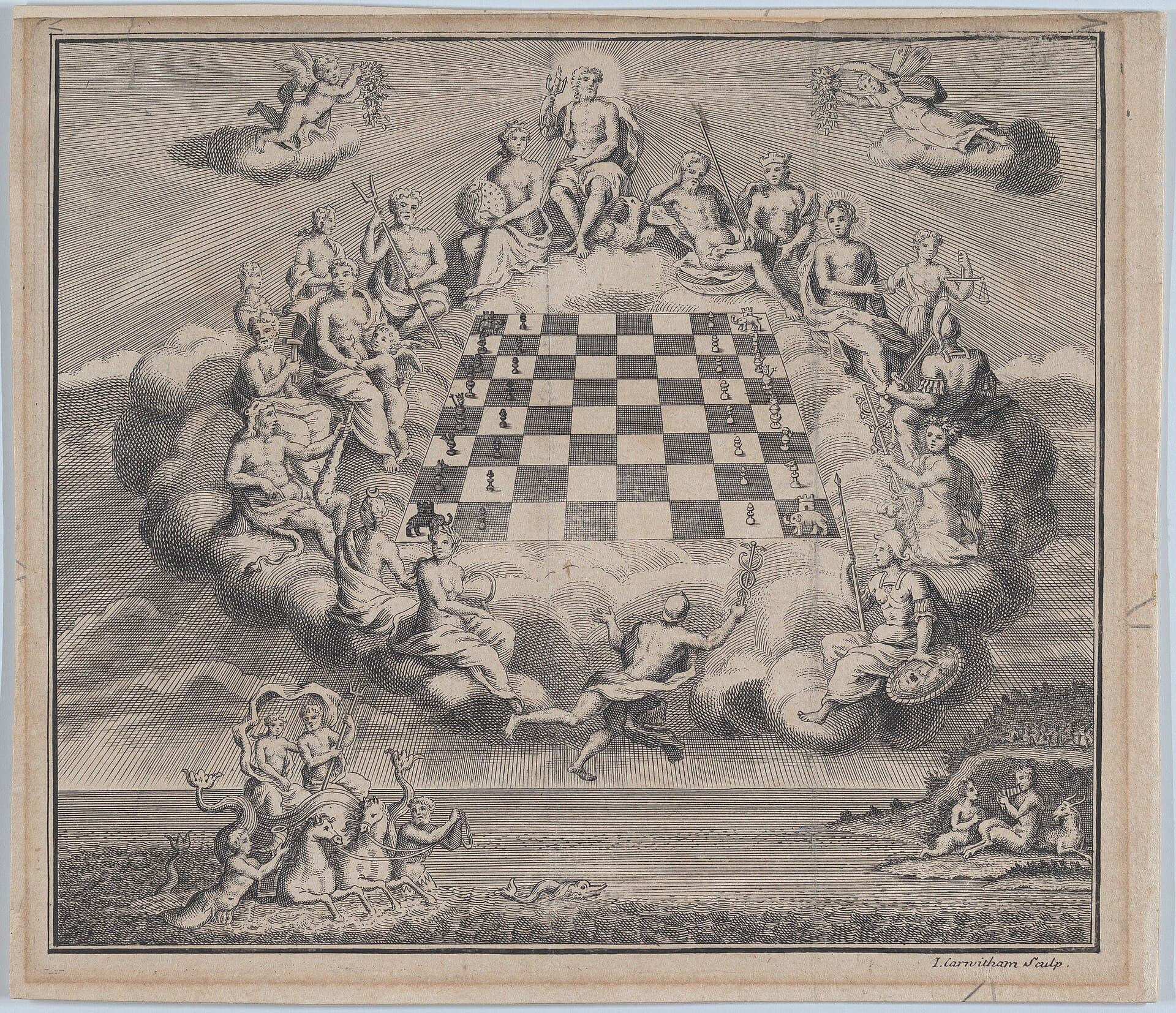
Print, 1723–41 — Metropolitan Museum of Art
- 3
- epithets
- 3
- cult sites
- 0
- offspring
- 0
- unions
- 1
- recorded birth
Vitals
- Kind
- Minor god
- Generation
- 5
- Domains
- flocks and herdsmen, the noise in an empty place, rough country
- Accent
- Wild — the hunt, the mountain, the uncultivated
- Sacred symbols
- the syrinx, the goat's legs, the pine wreath, the shepherd's crook
- Principal cult sites
- Arkadia, the cave below the Athenian Acropolis, Mount Lykaion
What they were called
Αἰγοκερεύς
goat-horned
Νόμιος
of the pastures
Λύτηριος
the deliverer — his Athenian title after Marathon
Lineage
See in the treeDescent
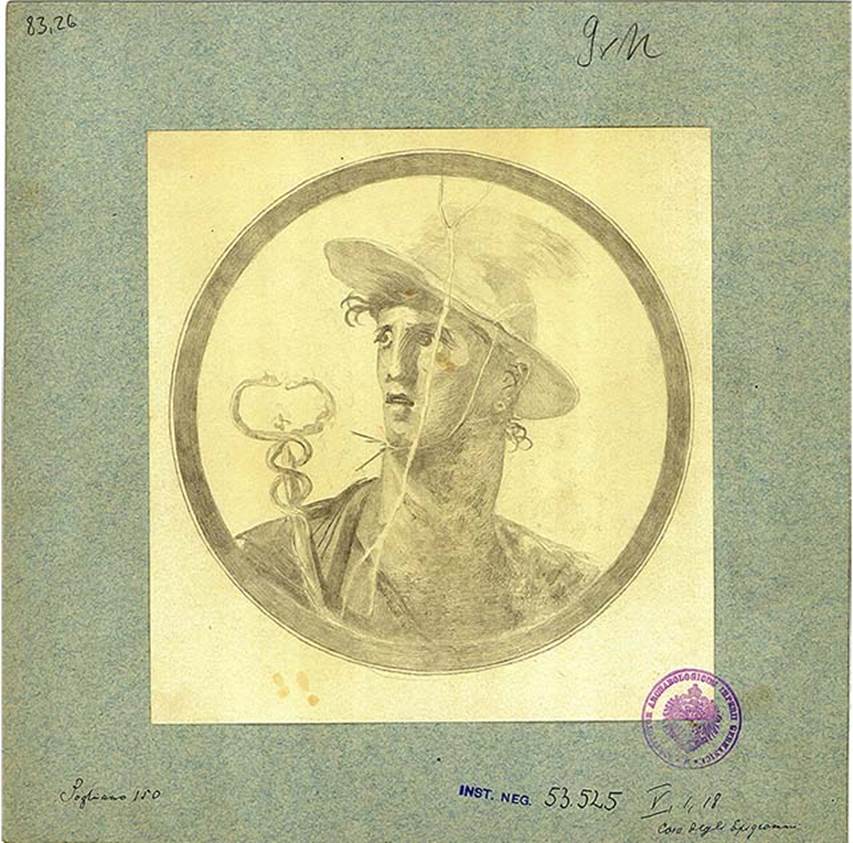 FatherHermesHomeric Hymns, Hymn to Pan
His mother is the daughter of Dryops in the Hymn, a nymph left unnamed in most versions and outside the v1 roster. Pan's parentage is unusually unstable even by Greek standards -- other traditions give him Zeus, Apollo, or Penelope as a parent.
Offspring in this roster
None recorded among the figures modelled here.
Notable myths
Syrinx
Pan chased a nymph named Syrinx to the edge of a river, and she asked her sisters to change her before he reached her. He caught an armful of marsh reeds. Standing there sighing, he heard the air move through them and make a thin sound, cut them to unequal lengths and bound them with wax, and that is the pipe. Ovid tells it as a story about a consolation prize.
Ovid, Metamorphoses 1.689-712 (Roman-era)
On the Road to Marathon
Running to Sparta for help before the battle, Pheidippides said he met Pan on Mount Parthenion, and that the god called him by name and asked why the Athenians took no notice of him when he was well disposed towards them and had helped them and would again. After the victory they built him a shrine below the Acropolis and sacrificed to him yearly with a torch race.
Herodotus, Histories 6.105
The account
Pan is Arkadian, rural and older-feeling than the Olympians. The Homeric Hymn says his nurse ran away when she saw him — goat-footed, two-horned, noisy and grinning — and that Hermes wrapped him in a hare skin and carried him up to Olympos, where all the gods were delighted and Dionysos most of all. He haunts the parts of the landscape nobody farms, plays the syrinx he made from a nymph who turned into reeds rather than be caught by him, and sleeps at midday, when it is dangerous to wake him. The word panic is his: the sourceless terror that goes through animals and armies in wild country at night. Athens took him on suddenly in 490 BCE, when the runner Pheidippides reported meeting him on the mountain road and being asked why the Athenians paid him no attention, given that he had helped them before and would again; after Marathon they gave him a cave under the Acropolis. Plutarch's late story that a sailor heard a voice announcing that Great Pan was dead is the only report of a Greek god's death.
Ancient sources
- Homeric Hymns, Hymn to Pan 1-47
- Ovid, Metamorphoses 1.689-712
- Herodotus, Histories 6.105
Where a line reference is not given, the work is cited without one rather than guessed at.
Image credit
- Title
- Heavenly Scene with the Gods of Olympus Surrounding a Chess Board, Poseidon and Pan Below
- Artist
- John Carwitham
- Date
- 1723–41
- Licence
- CC0
