Underworld
Thanatos
ΘάνατοςRoman: Mors
Has a heart of iron and no pity, and is the only god who takes nothing.
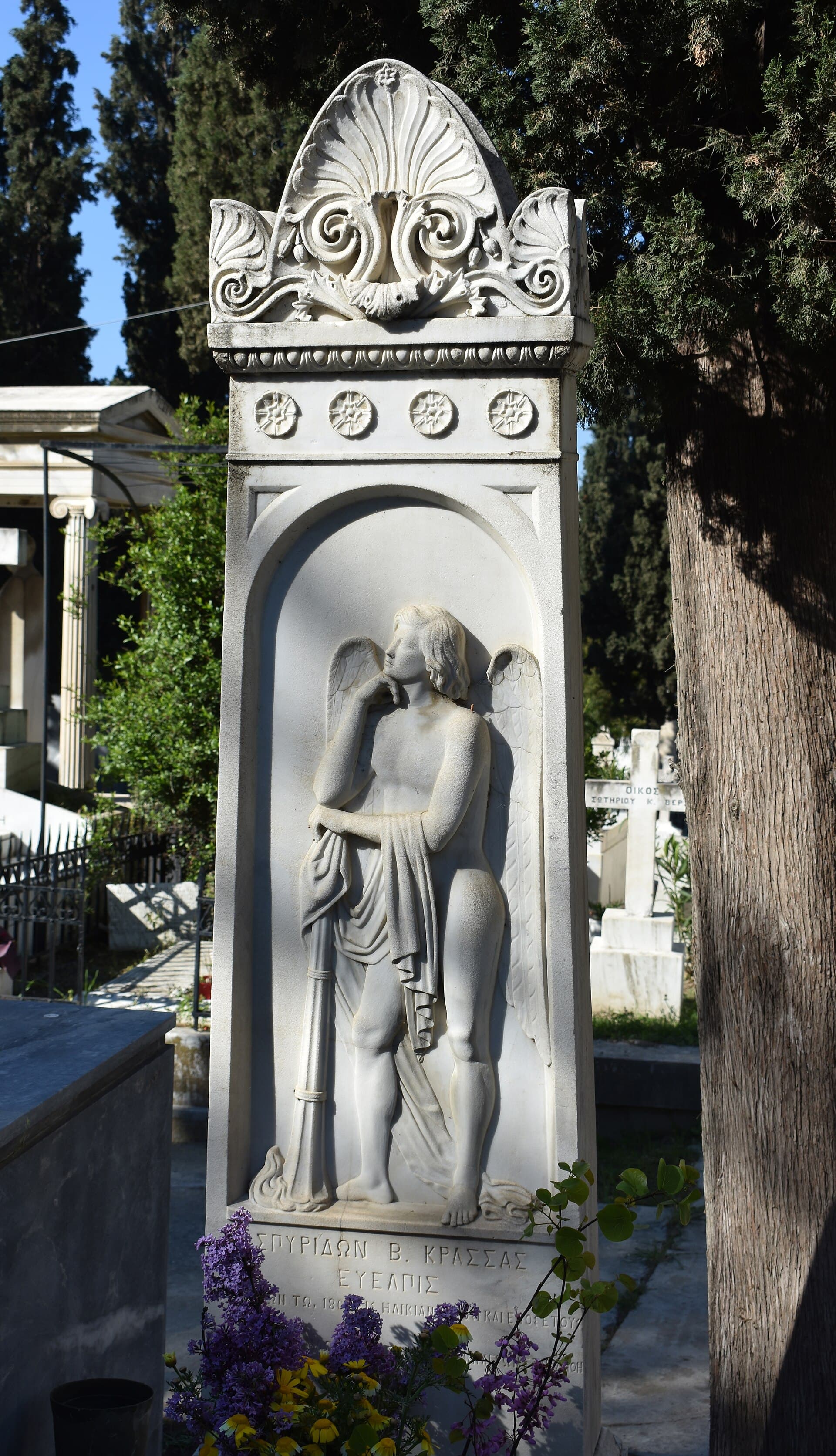
Funerary sculpture, 19th century — First Cemetery of Athens
- 2
- epithets
- 1
- cult site
- 0
- offspring
- 0
- unions
- 1
- recorded birth
Vitals
- Kind
- Personification
- Generation
- 1
- Domains
- death itself, the moment, not the place
- Accent
- Underworld — the dead, the pit, what is under the ground
- Sacred symbols
- the inverted torch, black wings, the sword
- Principal cult sites
- Sparta (an altar shared with Hypnos)
What they were called
νηλεής
pitiless
σιδηρέη φρήν
with a heart of iron
Lineage
See in the treeDescent
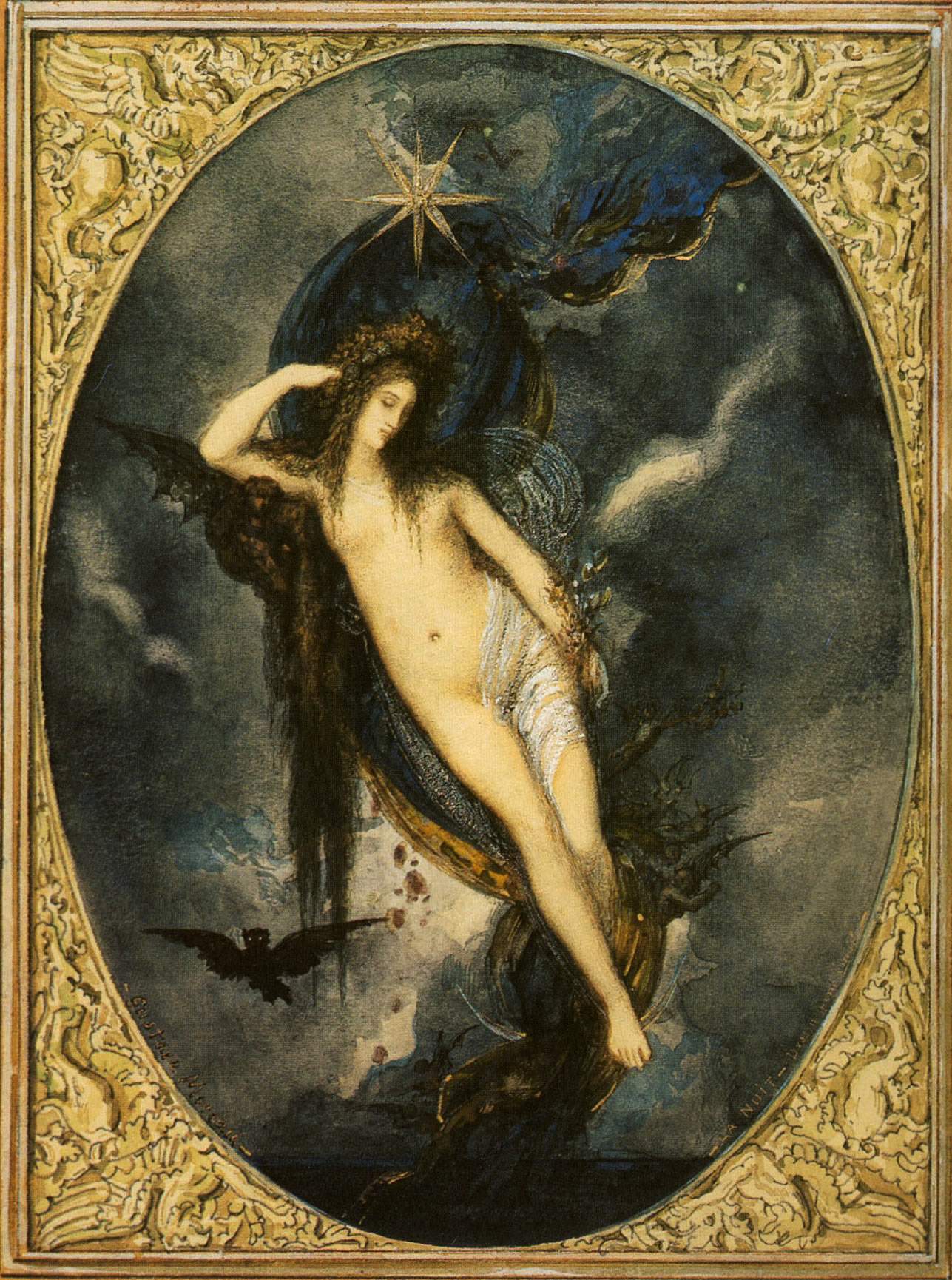 Bore them aloneNyxHesiod, Theogony
Hesiod: Nyx bore him having lain with none of the gods.
Offspring in this roster
None recorded among the figures modelled here.
Notable myths
Carrying Sarpedon
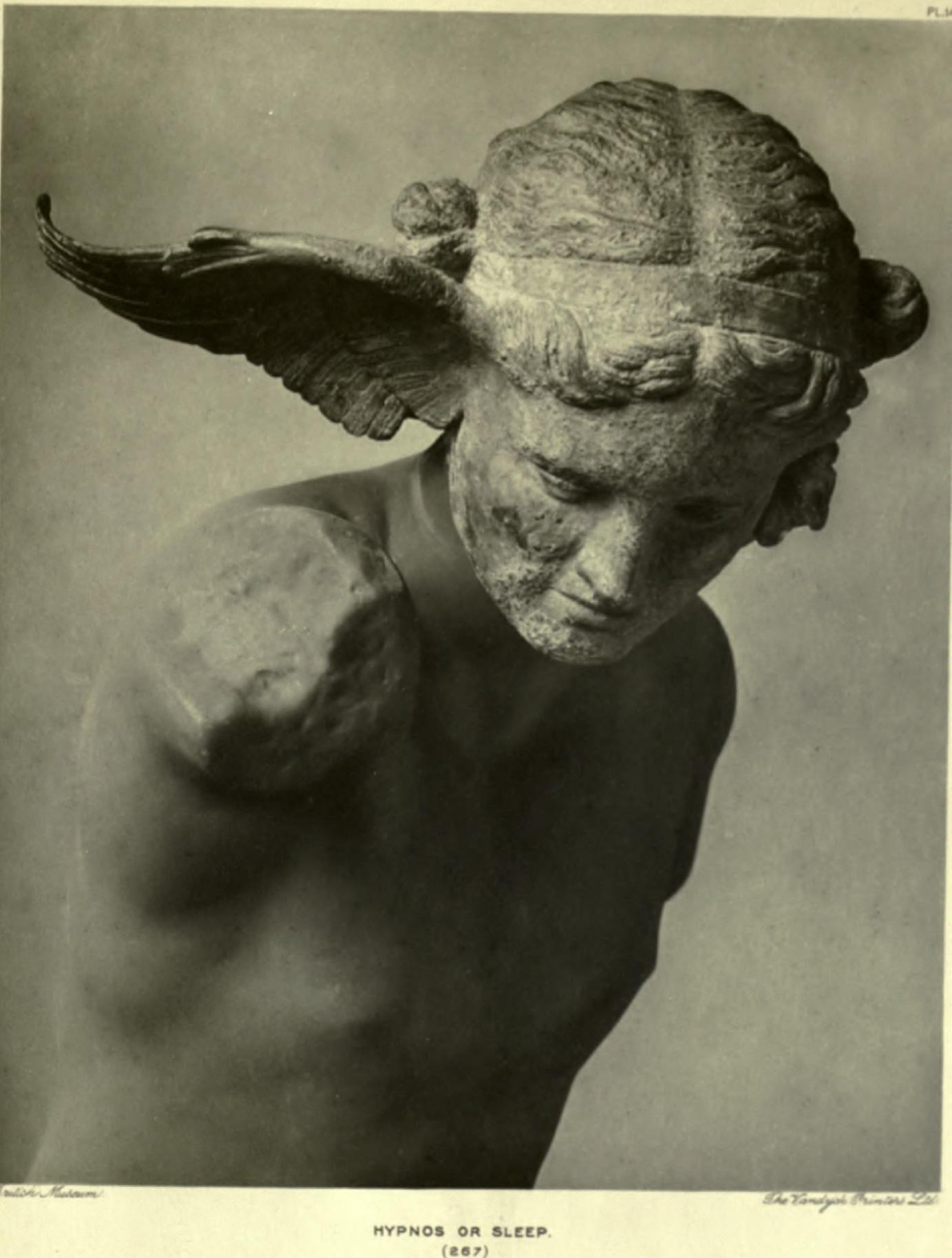
Zeus watched his own son killed at Troy and could not save him without unmaking the order of things. Instead he had Apollo wash the body, anoint it and dress it, and gave it to Sleep and Death, twin brothers, who carried it quickly to Lykia so his family could bury him properly. It is the only time in the Iliad that Thanatos does something kind.
Homer, Iliad 16.666-683
Wrestled at the Tomb
Alkestis died in place of her husband, and Herakles, arriving as a guest and learning what had happened, went to the tomb and waited for Thanatos to come and drink the offerings. He caught him, locked his arms around him and held on until Death gave the woman back. Euripides plays the whole thing as barely a comedy.
Euripides, Alcestis 837-860, 1140-1145
The account
Thanatos is dying, as distinct from being dead — the arrival rather than the destination, which is Hades' department. Hesiod puts him and his brother Hypnos in the same house at the edge of the world, and then draws the contrast: Sleep is gentle to men and goes quietly over the earth, but Death has a heart of iron and a pitiless spirit of bronze, and holds fast whatever he takes, and is hateful even to the immortal gods. In the Iliad he and Sleep are given the one tender task in the poem: Zeus sends them to carry the body of his son Sarpedon off the field and lay it down in Lykia among his own people. Sisyphos is said to have chained him, so that for a while nobody on earth could die, until Ares came and freed him; Euripides has Herakles wrestle him at a tomb and take Alkestis back by force. Both stories work because he is a person who can be grabbed. The Greeks had almost no cult for him, for obvious reasons.
Ancient sources
- Hesiod, Theogony 211-212
- Homer, Iliad 16.666-683
- Euripides, Alcestis 837-860, 1140-1145
Where a line reference is not given, the work is cited without one rather than guessed at.
Image credit
- Title
- Athens first cemetery thanatos 2 spyridon krassas DSC 5647
- Artist
- Seauton , 12 April 2023
- Date
- 19 th century
- Licence
- Public domain
