Wild
Circe
ΚίρκηRoman: Circe
Turned a landing party into pigs, then gave their captain the sailing directions.
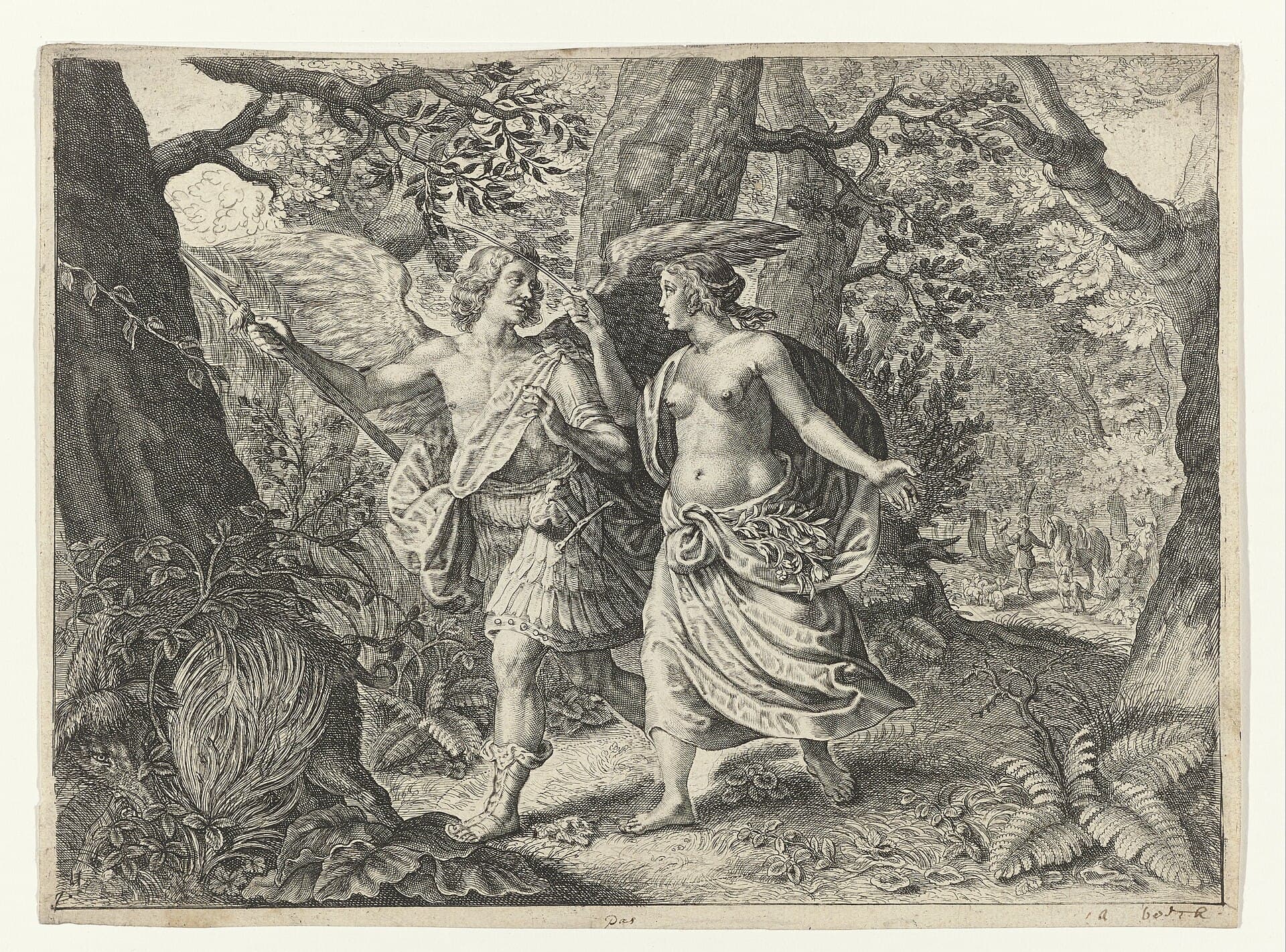
Etching after Ovid's Metamorphoses — c. 1636–1670, Rijksmuseum
- 3
- epithets
- 2
- cult sites
- 0
- offspring
- 0
- unions
- 1
- recorded birth
Vitals
- Kind
- Minor god
- Generation
- 3
- Domains
- drugs and transformation, the island out of the way, knowledge of the road ahead
- Accent
- Wild — the hunt, the mountain, the uncultivated
- Sacred symbols
- the wand, the mixing cup, the loom, the tamed wolves and lions
- Principal cult sites
- Aiaia (mythical), Monte Circeo
What they were called
πολυφάρμακος
of many drugs
δεινὴ θεὸς αὐδήεσσα
dread goddess who speaks with a human voice
ἐϋπλόκαμος
of the lovely braids
Lineage
See in the treeDescent
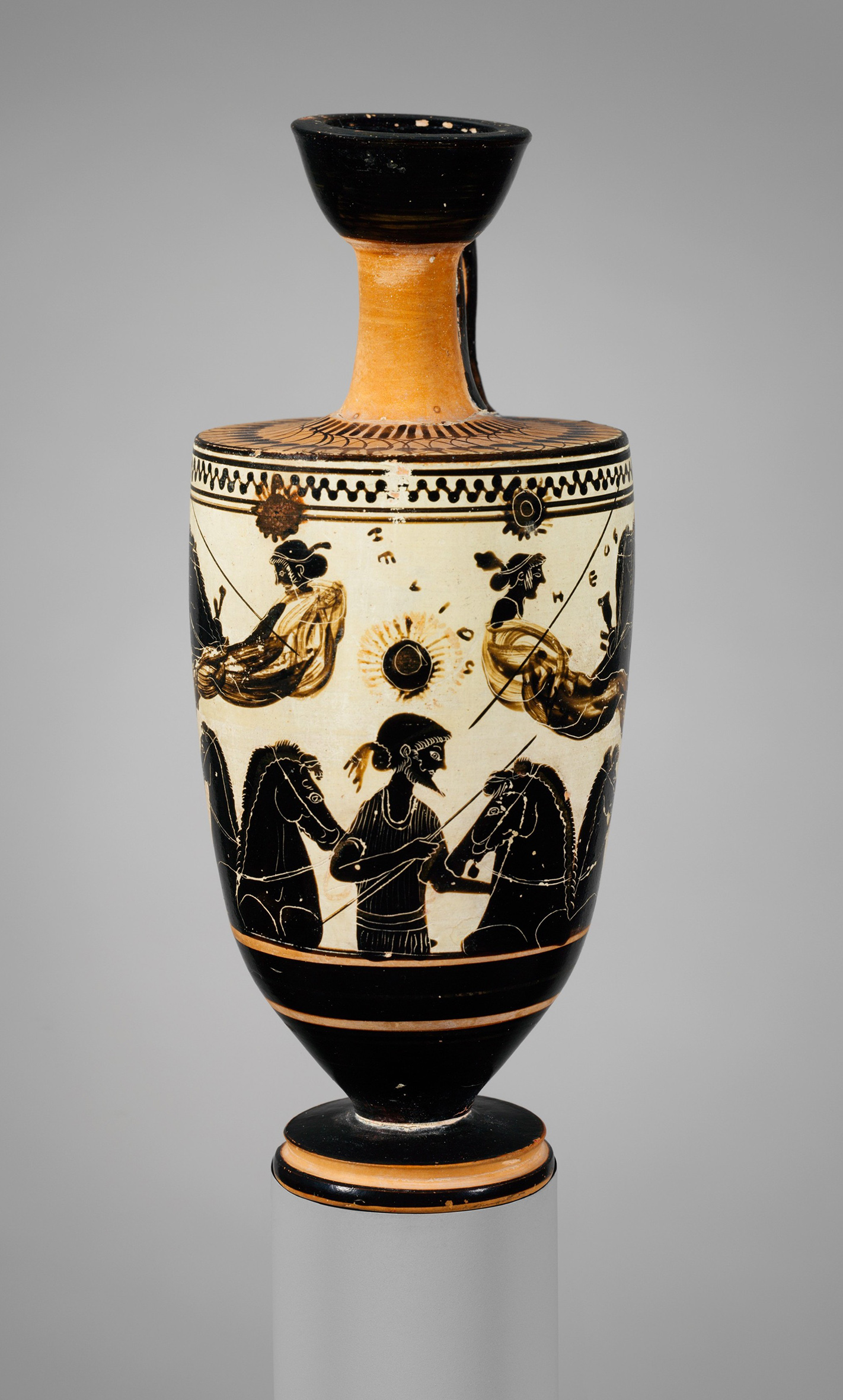 FatherHeliosHomer, Odyssey
Her mother is the Okeanid Perse, outside the v1 roster.
Offspring in this roster
None recorded among the figures modelled here.
Notable myths
The Pigs of Aiaia
Twenty-two of Odysseus's men followed the singing to Circe's door. She seated them, mixed the drug into a barley posset, and touched them with her wand, and they had the heads and bodies and voices of pigs but their minds were the same as before. She drove them into the sties and threw them acorns. One man had stayed outside and watched, and got back to the ship to report it.
Homer, Odyssey 10.230-243
The Sailing Directions
After a year, Circe told Odysseus he would first have to go down to the house of Hades and question the shade of Teiresias. When he came back she gave him the rest: stop the crew's ears with wax and have himself tied to the mast for the Sirens; take the Skylla side rather than Charybdis, and lose six men rather than the ship; and above everything, leave the cattle of the Sun alone.
Homer, Odyssey 12.37-141
The account
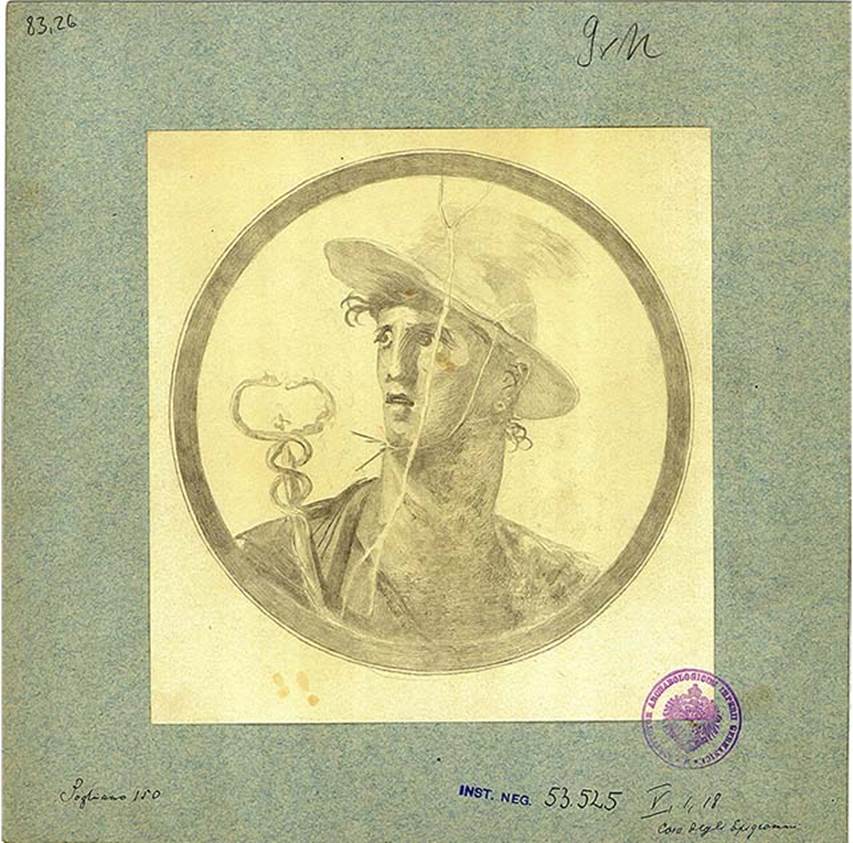
Circe lives alone on Aiaia in a stone house in a clearing, with wolves and lions around it that do not attack, because they are men. Odysseus's scouts hear her singing at the loom, are given cheese and barley and honey in Pramnian wine with a drug mixed in, and become pigs with human minds, which is the detail that makes it horrifying. Hermes meets Odysseus on the way up with a black-rooted herb called moly, and instructions: when she strikes at you, draw your sword and go for her, and when she asks you to bed, make her swear a great oath first. It works exactly as described. What follows is the surprise — she becomes his ally, keeps him a year, and then gives the single most important set of directions in the poem: go to the land of the dead and consult Teiresias, and afterwards, on the way home, this is how you get past the Sirens, and this is why you must choose Skylla over Charybdis. She is dangerous and then she is useful, and the poem does not treat that as a contradiction.
Ancient sources
- Homer, Odyssey 10.135-139
- Homer, Odyssey 10.230-243
- Homer, Odyssey 12.37-141
Where a line reference is not given, the work is cited without one rather than guessed at.
Image credit
- Title
- Circe verandert Picus in een specht Metamorfosen van Ovidius (serietitel), RP-P-2013-10-22
- Artist
- Rijksmuseum
- Date
- between circa 1636 and circa 1670
- Licence
- CC0
,_RP-P-2013-10-22.jpg)