War
Eris
ἜριςRoman: Discordia
Not invited to the wedding, and got a ten-year war out of one apple.
- 2
- epithets
- 0
- cult sites
- 0
- offspring
- 0
- unions
- 1
- recorded birth
Vitals
- Kind
- Personification
- Generation
- 1
- Domains
- strife, rivalry, the quarrel that starts a war
- Accent
- War — battle, strife, victory
- Sacred symbols
- the golden apple, the torch, the trumpet
- Principal cult sites
- No cult attested
What they were called
στυγερή
hateful
ἀμοτον μεμαυῖα
raging insatiably
Lineage
See in the tree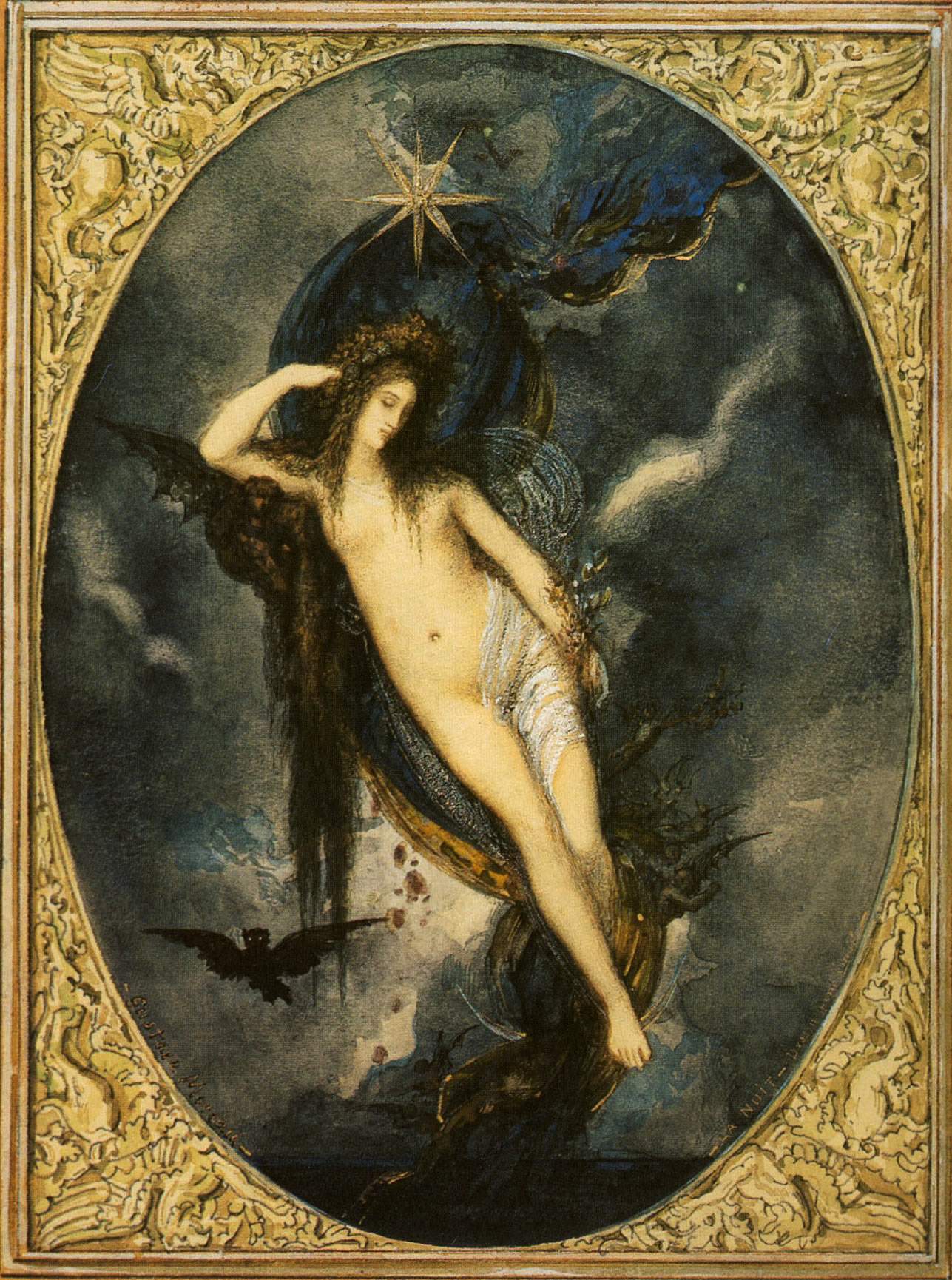
Offspring in this roster
None recorded among the figures modelled here.
Notable myths
The Apple
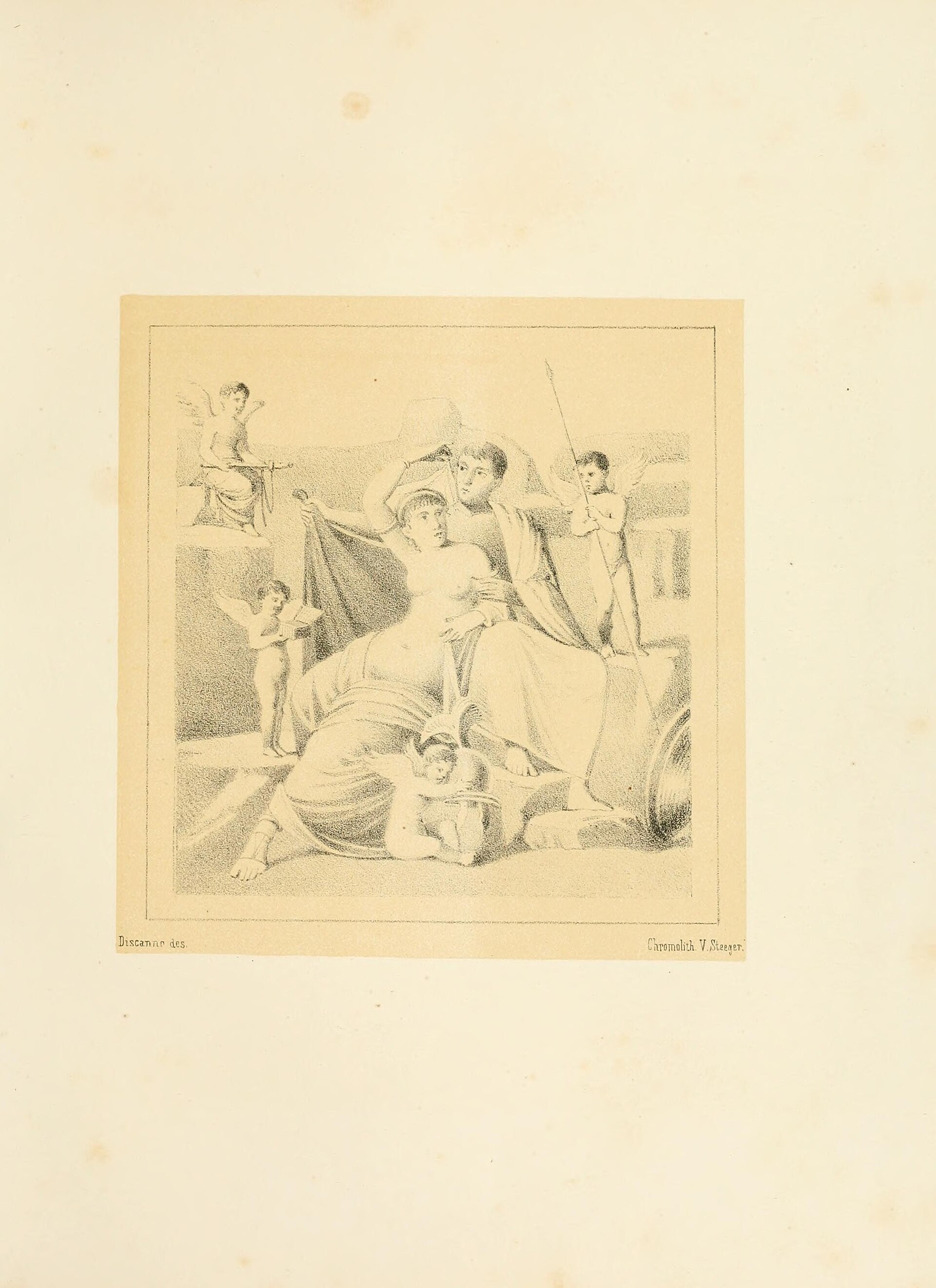
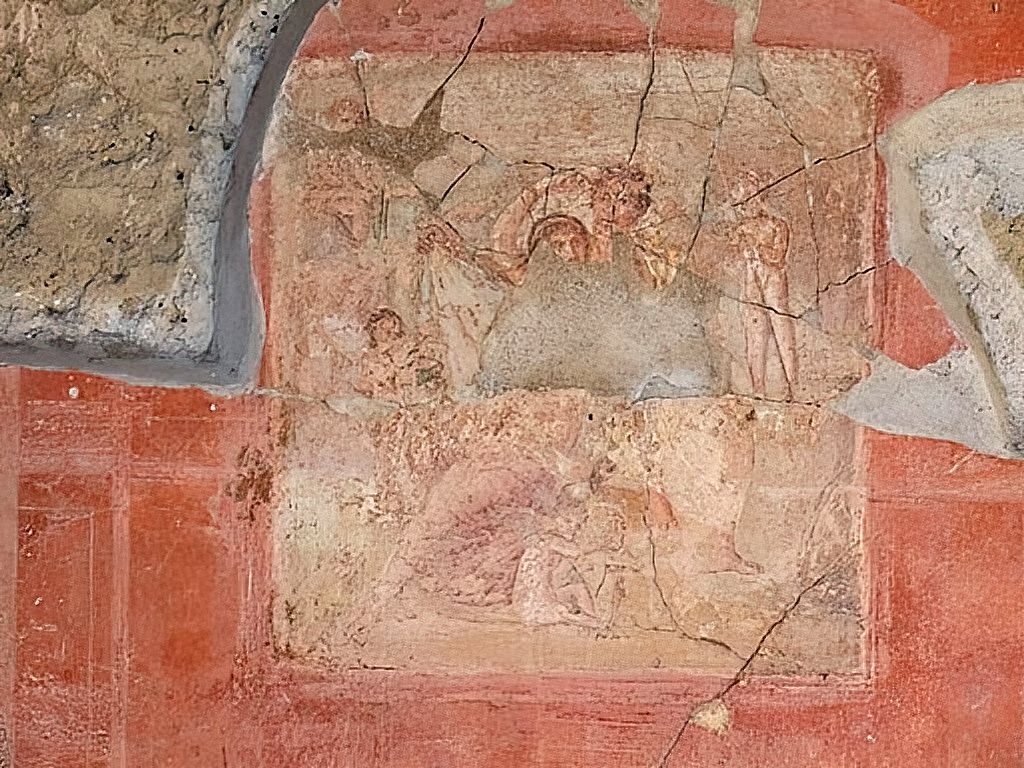
Every god was invited to the wedding of Peleus and Thetis except Eris. She came anyway, rolled a golden apple inscribed 'to the fairest' among the guests, and left. Hera, Athena and Aphrodite all claimed it; Zeus refused to judge and sent them to a Trojan herdsman; Aphrodite offered him Helen. The whole of the Iliad follows from a piece of fruit thrown by someone with a grievance about seating.
Apollodorus, Bibliotheca E.3.2
The Two Kinds of Strife
Hesiod corrects himself: there are two Erises. One raises evil war. The other, older, was placed by Zeus in the roots of the earth and is good for men — she stirs the idle to work by the sight of a neighbour ploughing, and sets craftsman against craftsman. Envy, in that account, is the engine of a working economy.
Hesiod, Works and Days 11-26
The account
Hesiod says in the Works and Days that he was wrong the first time: there is not one Eris but two. One is the bad kind, who builds up war and fighting and whom nobody loves. The other was set by Zeus in the roots of the earth and is much better for people — she makes the shiftless man work when he sees his neighbour prospering, and she is why potter competes with potter and poet with poet. It is one of the sharpest distinctions in Greek ethics, drawn by a farmer in the middle of a poem about crop rotation. The Eris of the myths is the first kind. Left off the guest list for the wedding of Peleus and Thetis, she threw a golden apple marked 'to the fairest' into the hall, three goddesses claimed it, Paris was made to judge, Aphrodite bought him with another man's wife, and the result was the Trojan War. In the Iliad she is small at first and then grows until her head is in the sky.
Ancient sources
- Hesiod, Theogony 225-226
- Apollodorus, Bibliotheca E.3.2
- Hesiod, Works and Days 11-26
Where a line reference is not given, the work is cited without one rather than guessed at.
Image credit
No classical portrait of this figure survives, so the mark on this page is generated from their Greek initial and their domain accent rather than taken from an artwork.